
Coastal Hospitality Facilities
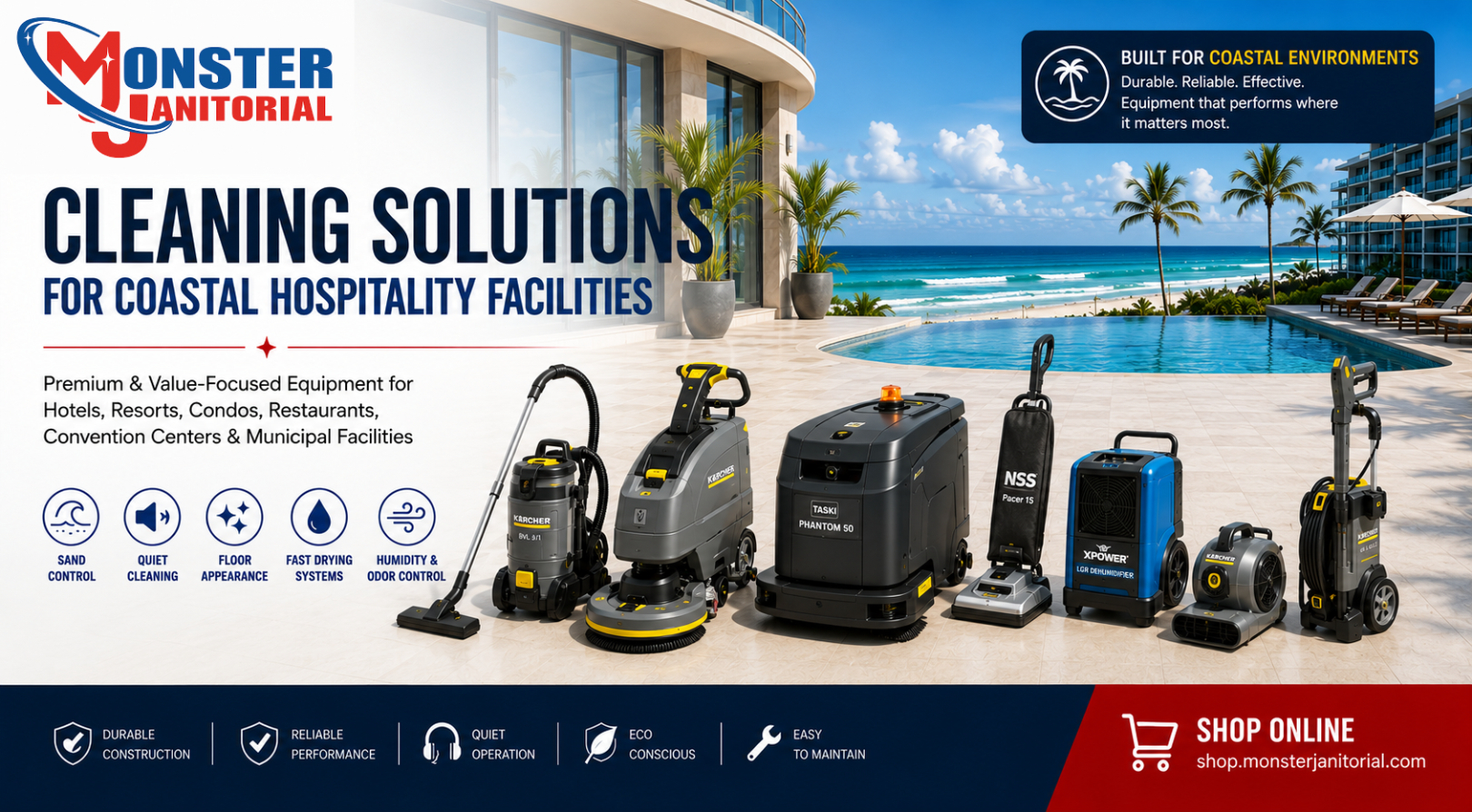
Cleaning Solutions for Coastal Hospitality Facilities
Hotels, resorts, beachfront condos, restaurants, convention centers, and other coastal facilities face cleaning challenges that inland properties may encounter less often, including tracked-in sand, salt residue, high humidity, wet traffic areas, and constant guest activity.
This guide explains how to approach entrance soil control, vacuuming, lobby floor care, carpet maintenance, restroom and tile cleaning, exterior cleaning, humidity control, and drying.
Equipment recommendations are included as examples so facility managers can compare methods before selecting machines.

Why Coastal Facilities Need a Different Cleaning Strategy
The challenge is not simply cleaning more often. Coastal facilities need to control abrasive soil, moisture, guest traffic, outdoor-to-indoor contamination, and cleaning downtime at the same time.
Sand Is Abrasive
Loose sand can scratch glossy floors, work into carpet fibers, load vacuum filters, and increase wear if it is not removed before wet cleaning.
Salt Leaves Residue
Salt carried in on shoes, wind, and spray can leave haze or residue on floors and exterior surfaces and may require regular rinsing and soil removal.
Humidity Slows Drying
Carpet, wet areas, and recently cleaned surfaces may dry more slowly when indoor humidity is high or ventilation is limited.
Guests Limit Downtime
Cleaning often has to happen around occupied rooms, public corridors, restaurants, lobbies, and pool areas without disrupting normal operations.
A Practical Coastal Cleaning Program
- Stop sand near entrances before it spreads through the building.
- Dry vacuum before wet cleaning when loose grit is present.
- Use low-foaming chemistry suitable for the floor and cleaning machine.
- Keep carpet moisture controlled to reduce downtime.
- Match restroom chemistry to the soil rather than using one cleaner for everything.
- Adjust exterior pressure to the surface being cleaned.
- Track humidity and drying conditions when moisture is a concern.
- Schedule disruptive work strategically around guest traffic.
Control Sand Before It Spreads
Sand is easiest to manage before it moves deep into the building. A layered approach works better than relying on one machine.

Quiet Daytime Vacuuming
The best vacuum depends on where it will be used. Noise level, maneuverability, carpet type, stairs, room size, sand load, and cleaning time all matter.
Backpack Vacuum
Best for stairs, tight spaces, quick room detailing, furniture, and areas where mobility matters more than a powered brush roll.
Canister Vacuum
Useful for quieter cleaning, hard floors, rugs, furniture, edges, and occupied spaces where versatility is important.
Upright Vacuum
Good for routine carpet cleaning when agitation from a brush roll is needed to remove embedded dry soil.
Wide-Area Vacuum
Designed for long corridors, ballrooms, convention spaces, and other large carpeted areas where productivity is the priority.
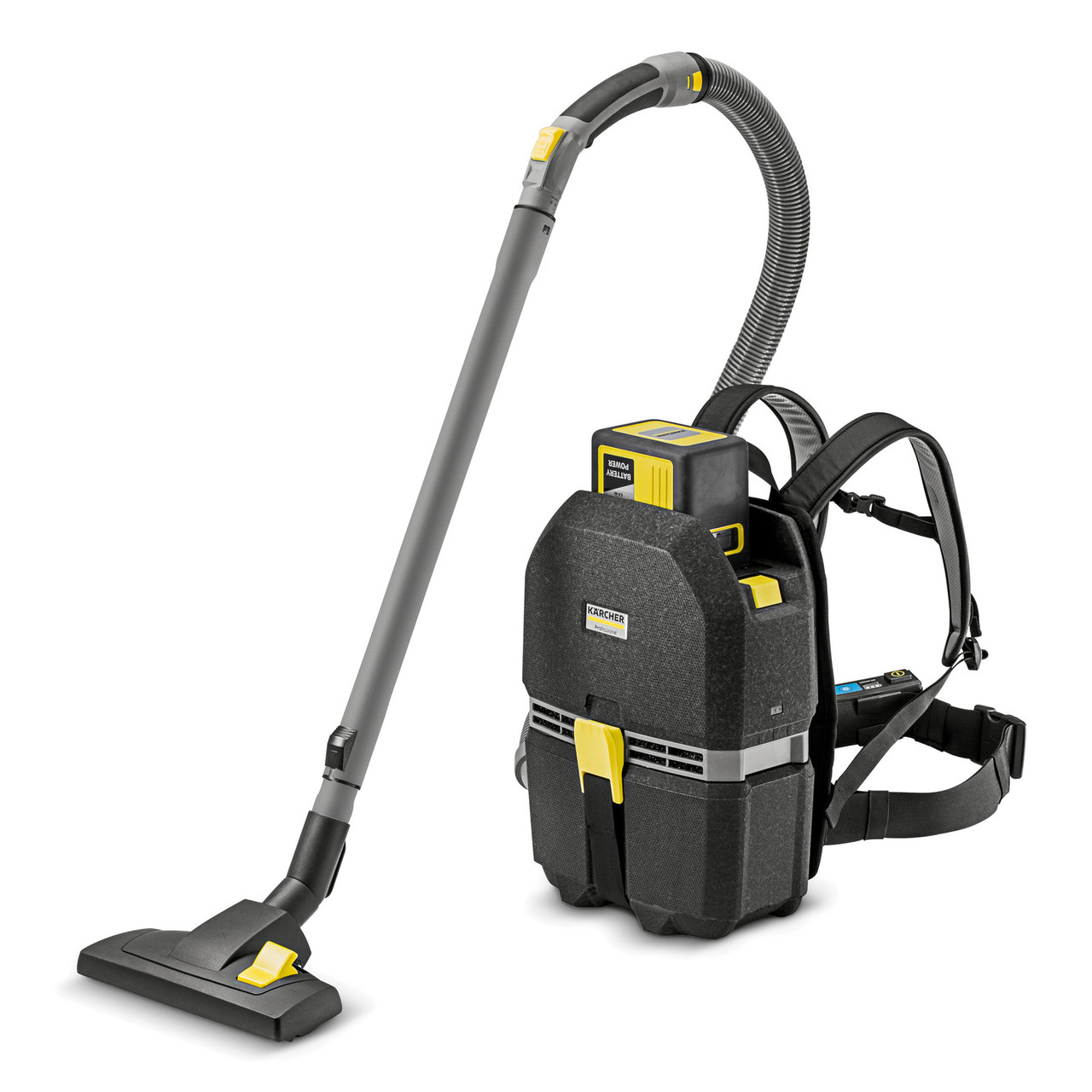
Karcher BVL 3/1 Bp
Battery backpack option for stairs, hallways, detailing, and guest-facing cleaning.
View Vacuum →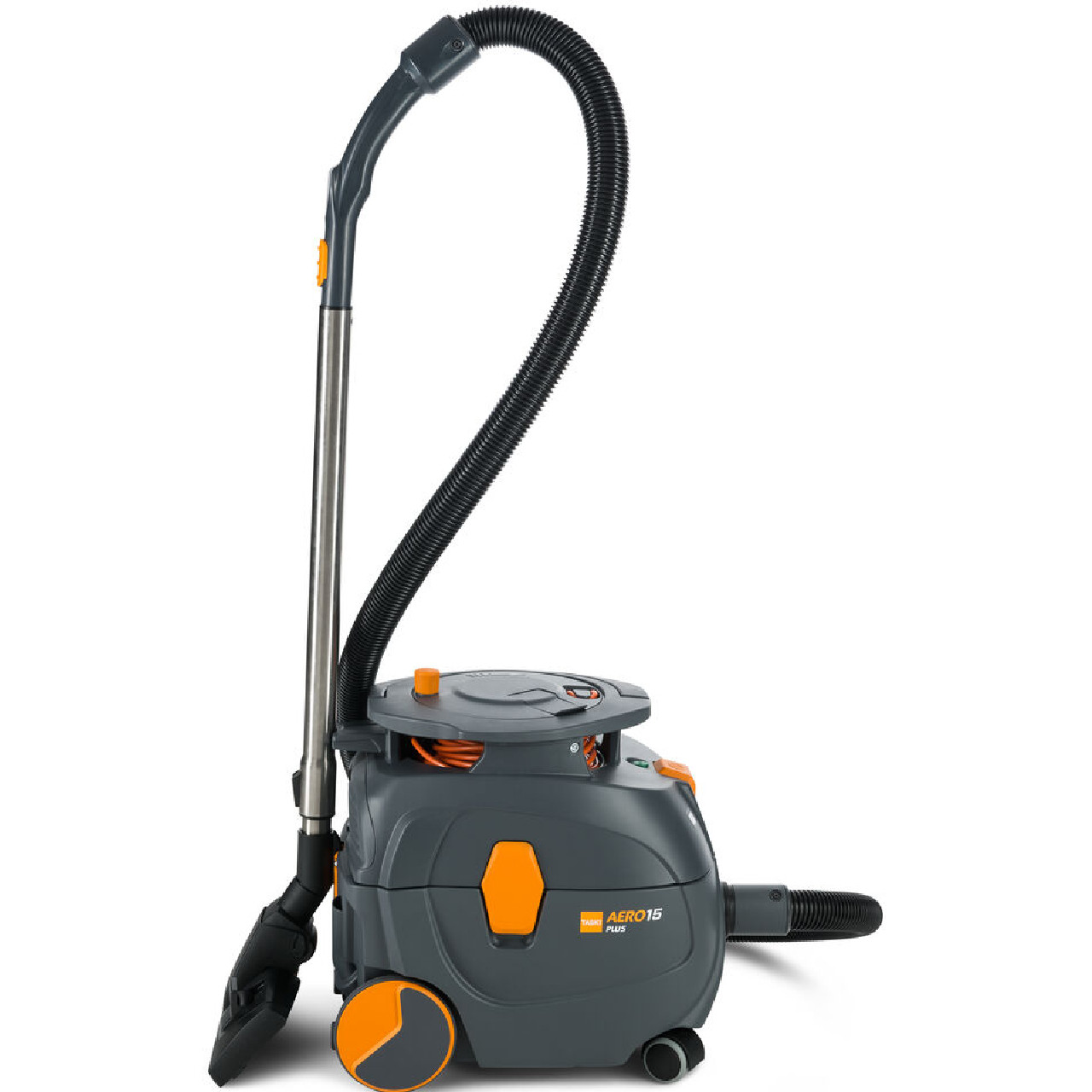
TASKI AERO 15 PLUS
Quiet canister option for guest rooms, offices, condos, and occupied areas.
View Vacuum →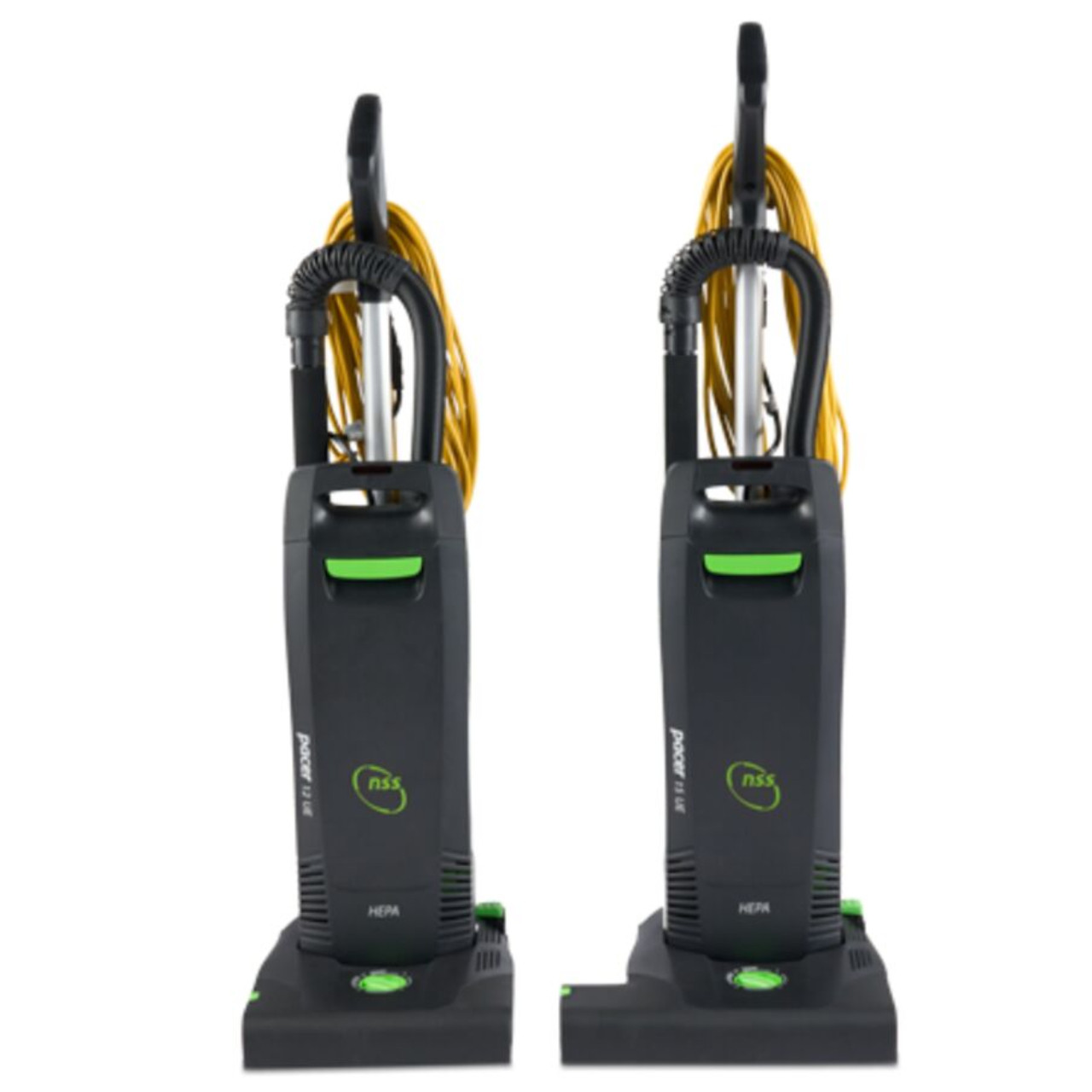
NSS Pacer Upright
Traditional commercial upright option for carpeted rooms and hallways.
View Vacuum →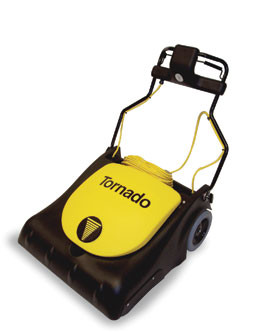
Tornado CK 3030
Wide-area vacuum for corridors, banquet areas, and large carpeted spaces.
View Vacuum →Lobby & Hard Floor Appearance
Lobby floors are highly visible and often receive the most sand, salt residue, wet traffic, and rolling luggage. The cleaning sequence matters as much as the machine.

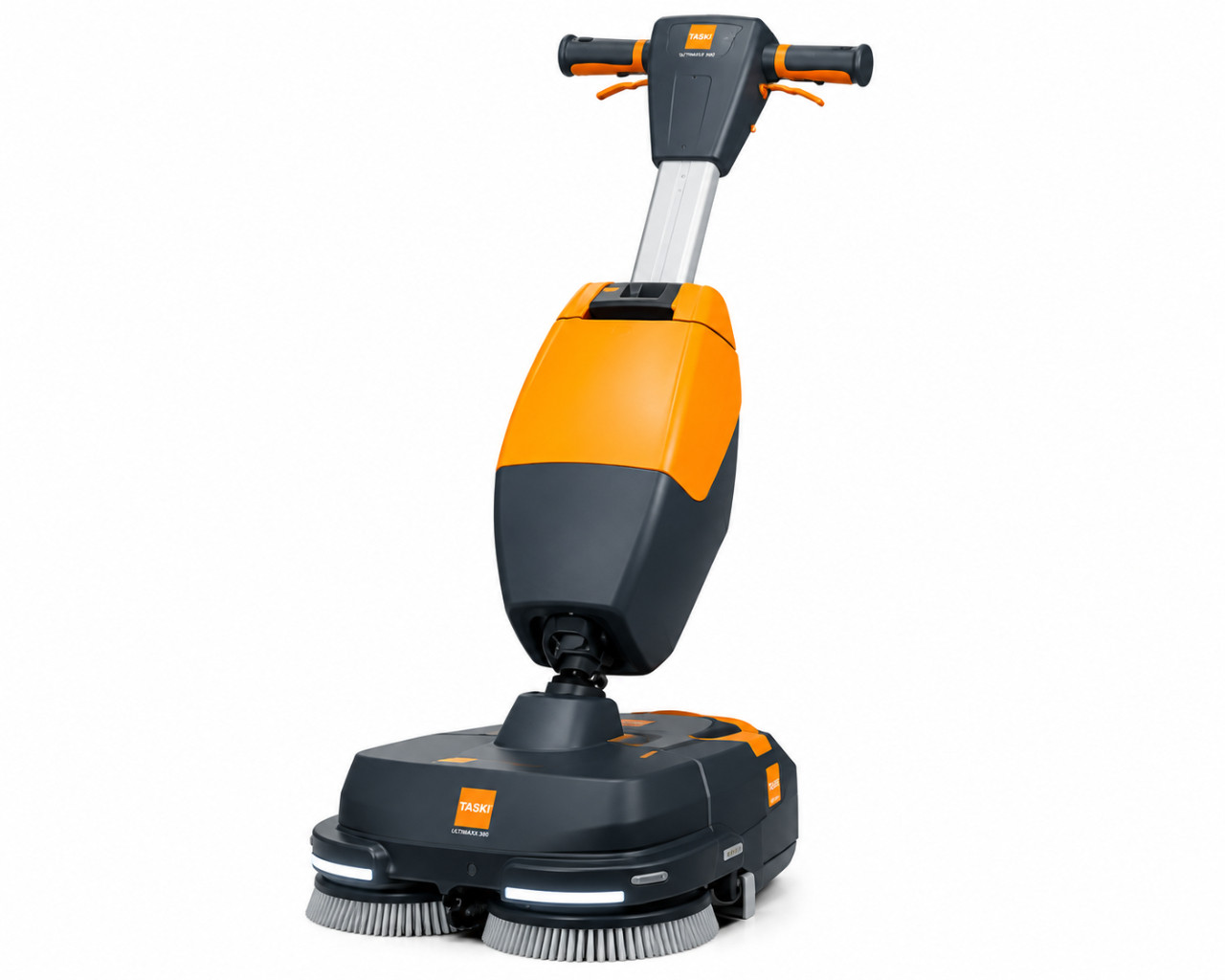
TASKI ULTIMAXX 360
Compact option for lobbies, restaurants, elevators, and tighter public areas.
View Scrubber →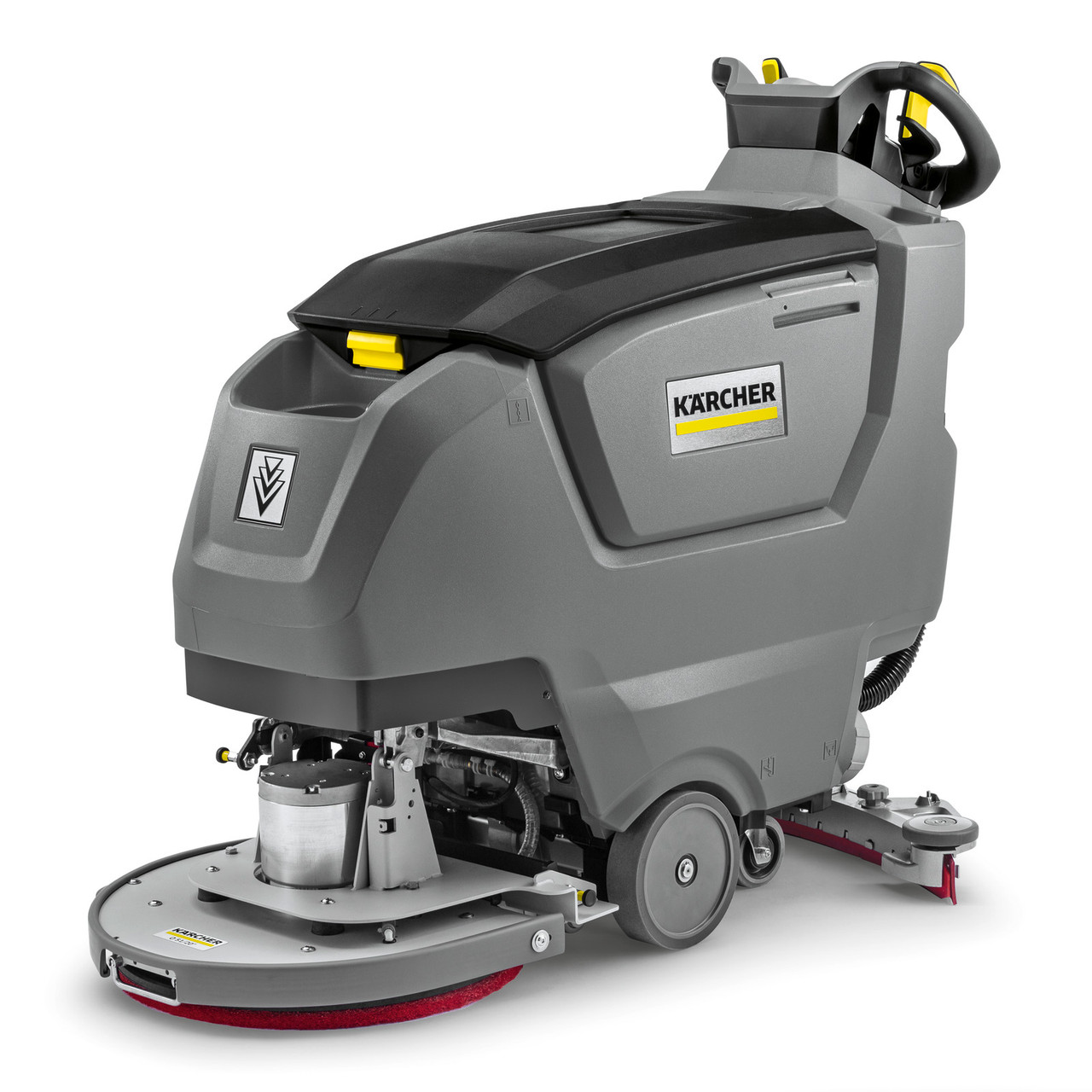
Karcher B 50 W Bp O51
Orbital option for floor appearance and deeper hard-floor cleaning.
View Scrubber →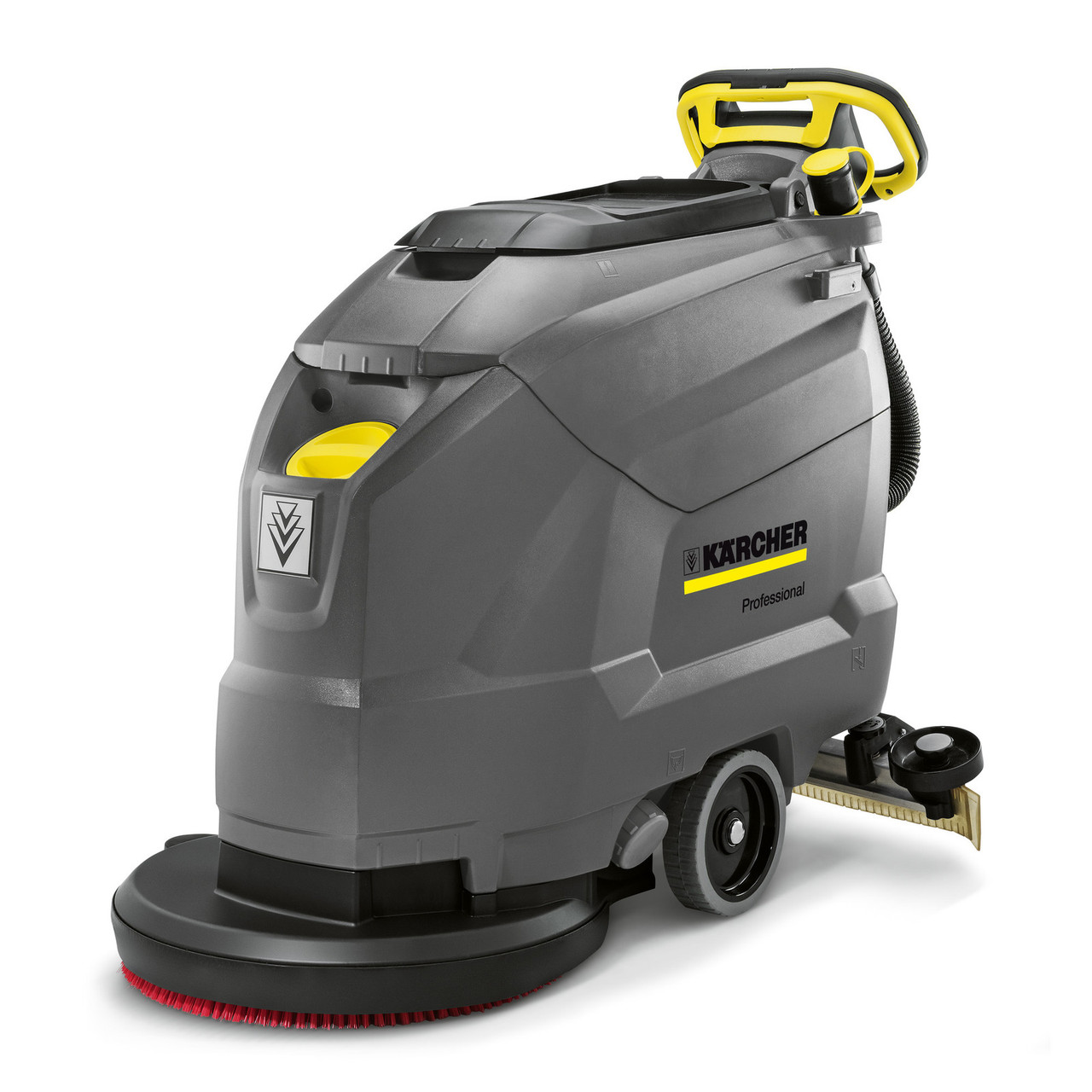
Karcher BD 50/50 C Bp Classic
Straightforward 20-inch walk-behind option for routine floor cleaning.
View Scrubber →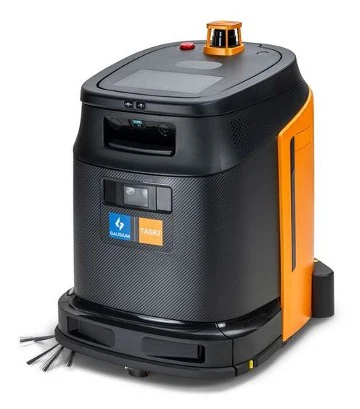
Robotic Floor Scrubbers
Worth considering for facilities with suitable open layouts and repetitive floor-cleaning routes.
Explore Robotics →
Carpet Cleaning & Fast Drying
Hotel carpet maintenance works best as a program rather than a single cleaning method.
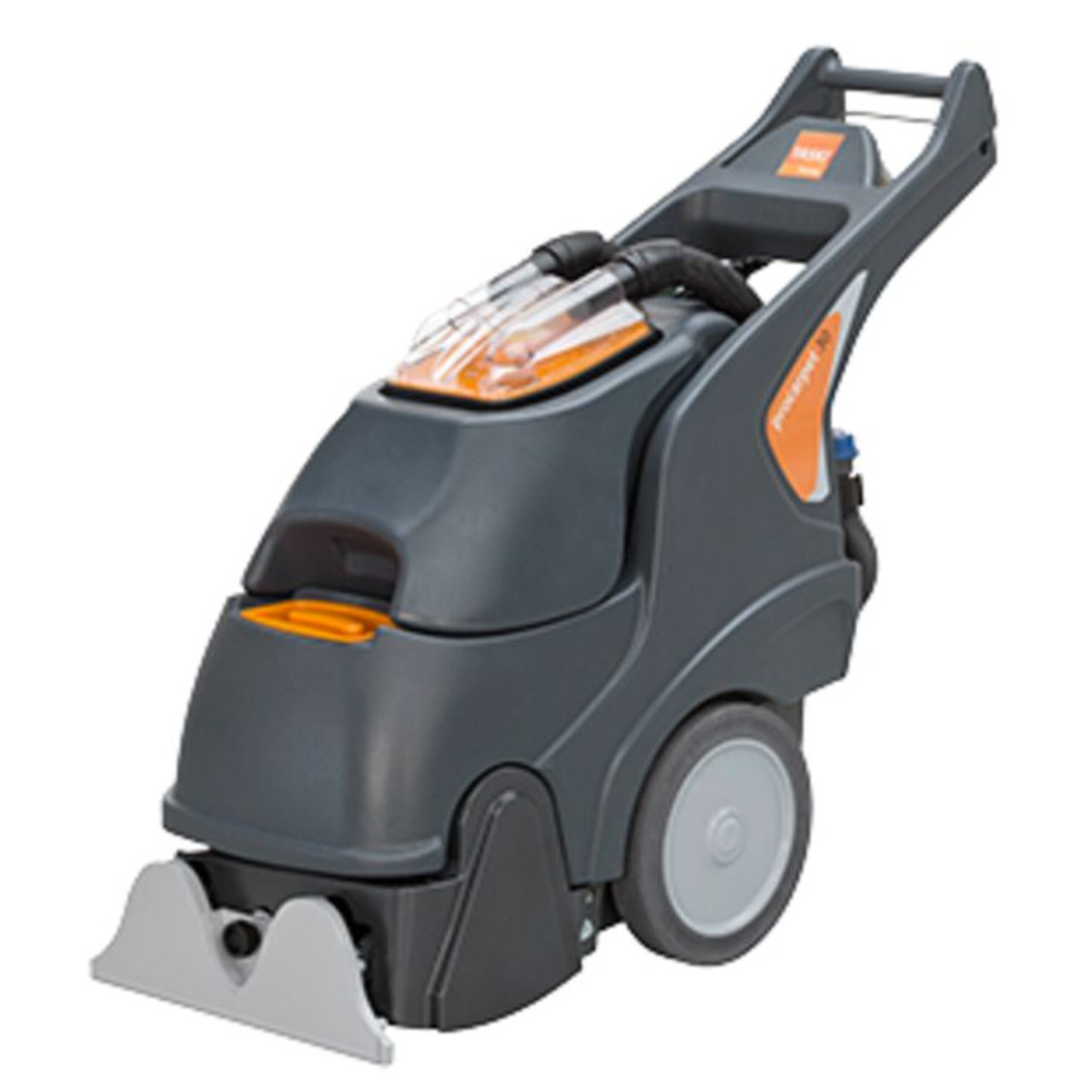
TASKI Procarpet 30
Combines encapsulation-style interim cleaning and extraction capability for flexible hospitality carpet maintenance.
View TASKI Procarpet 30 →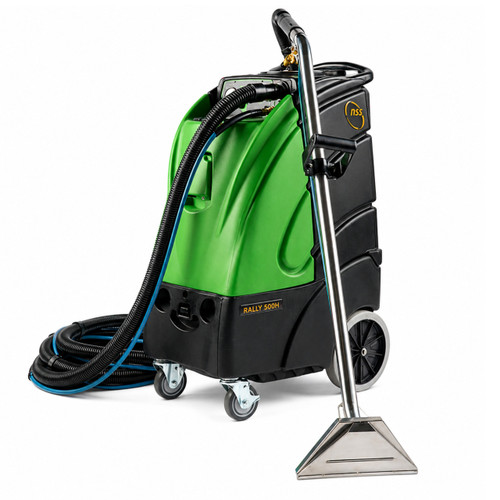
NSS Rally 500H
Heated extraction option for restorative carpet cleaning in rooms, corridors, and meeting spaces.
View NSS Rally 500H →Restroom, Tile & Grout Cleaning
Restrooms and pool facilities contain several different soil types, so one chemical or one cleaning method may not solve every problem.
Dust, tracked soil, light body oils, and normal daily contamination.
Common around showers, locker rooms, pool areas, and restroom floors.
Hard-water deposits may require chemistry different from routine cleaners.
Porous grout can hold embedded soil and may require more agitation and recovery.
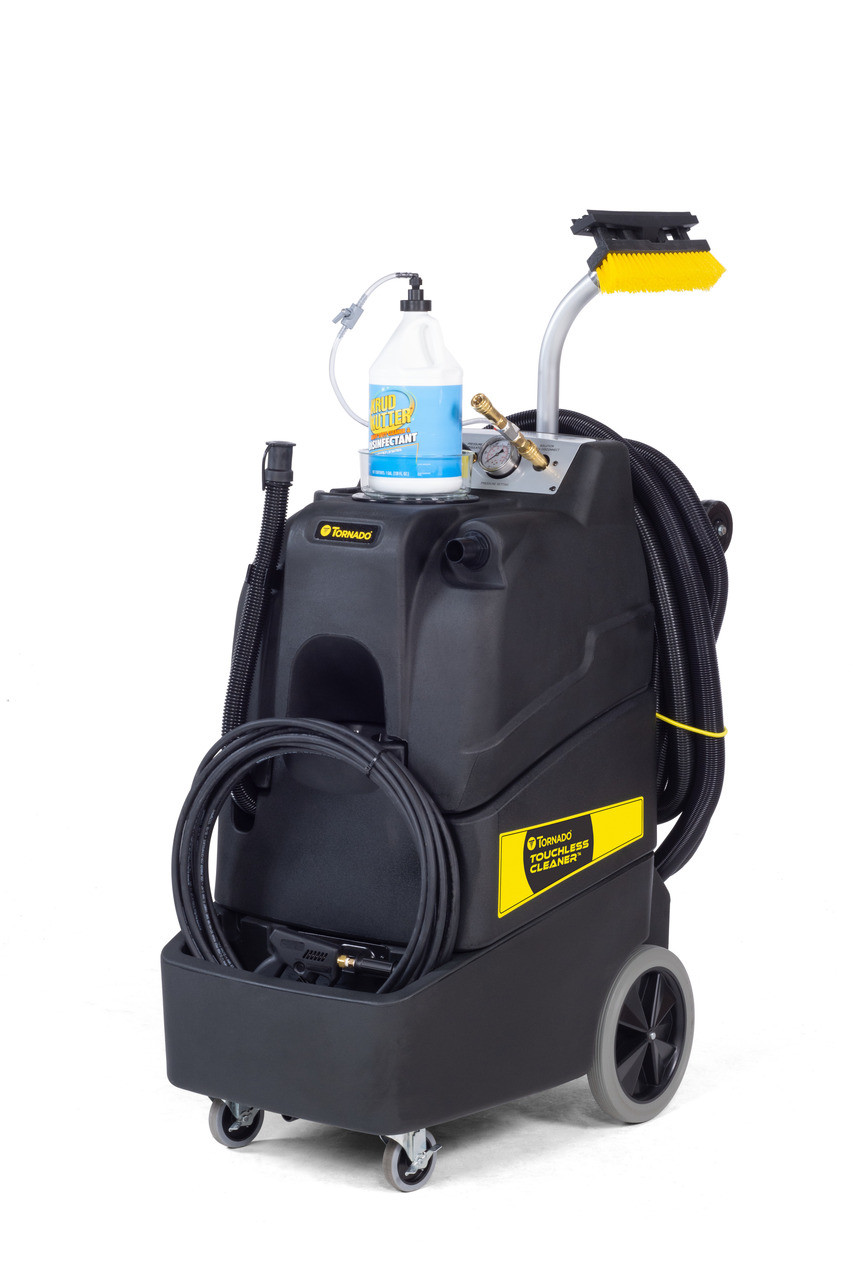
Tornado Touchless Cleaner
Designed for spray, agitation, and recovery in public restrooms, locker rooms, and similar areas.
View Touchless Cleaner →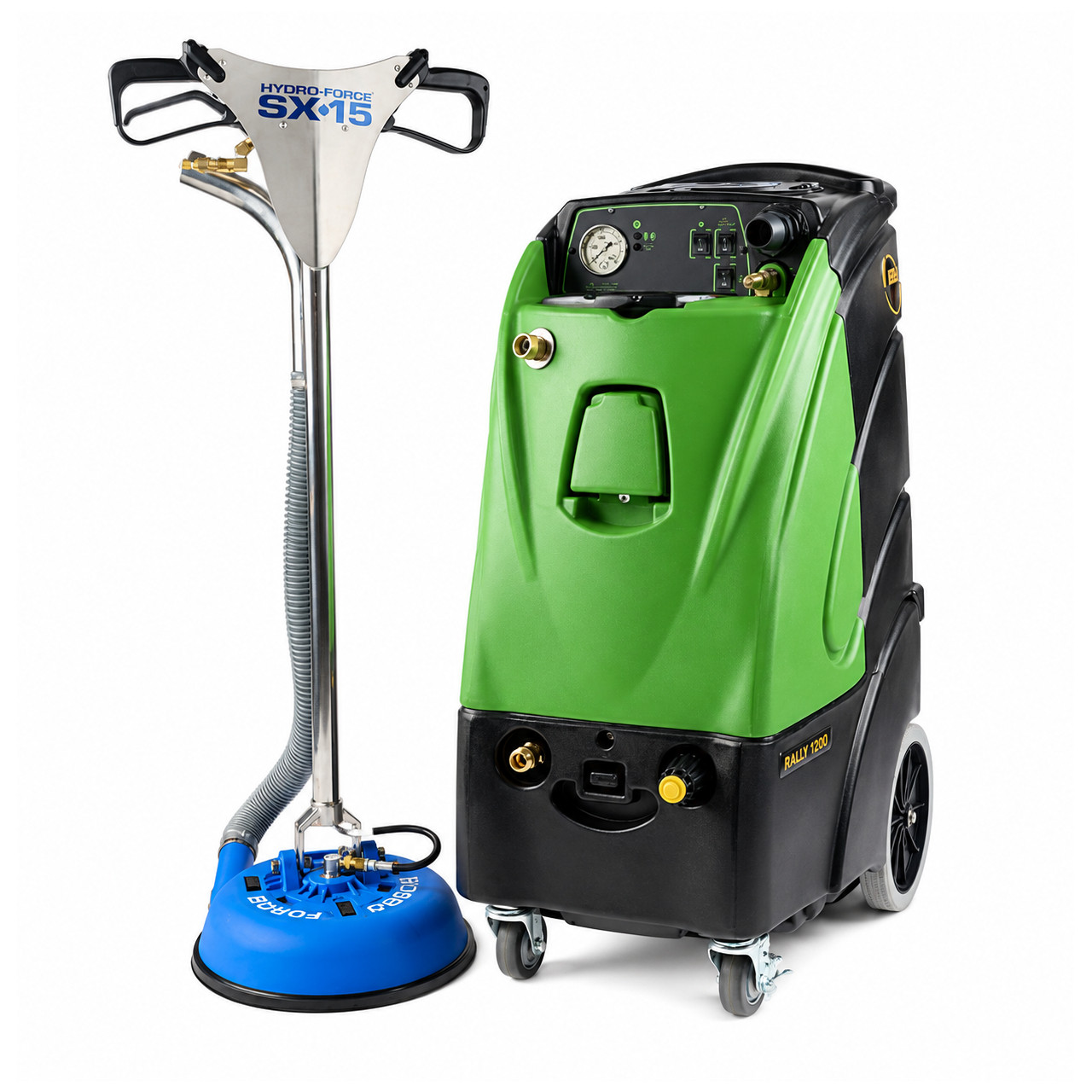
NSS Rally 1200
High-pressure cleaning and recovery option for tile, grout, kitchens, and restorative hard-surface cleaning.
View NSS Rally 1200 →
Pool Deck, Patio & Exterior Building Cleaning
Coastal exterior surfaces can collect sand, organic soil, salt residue, mildew-like growth, food soil, and traffic contamination.

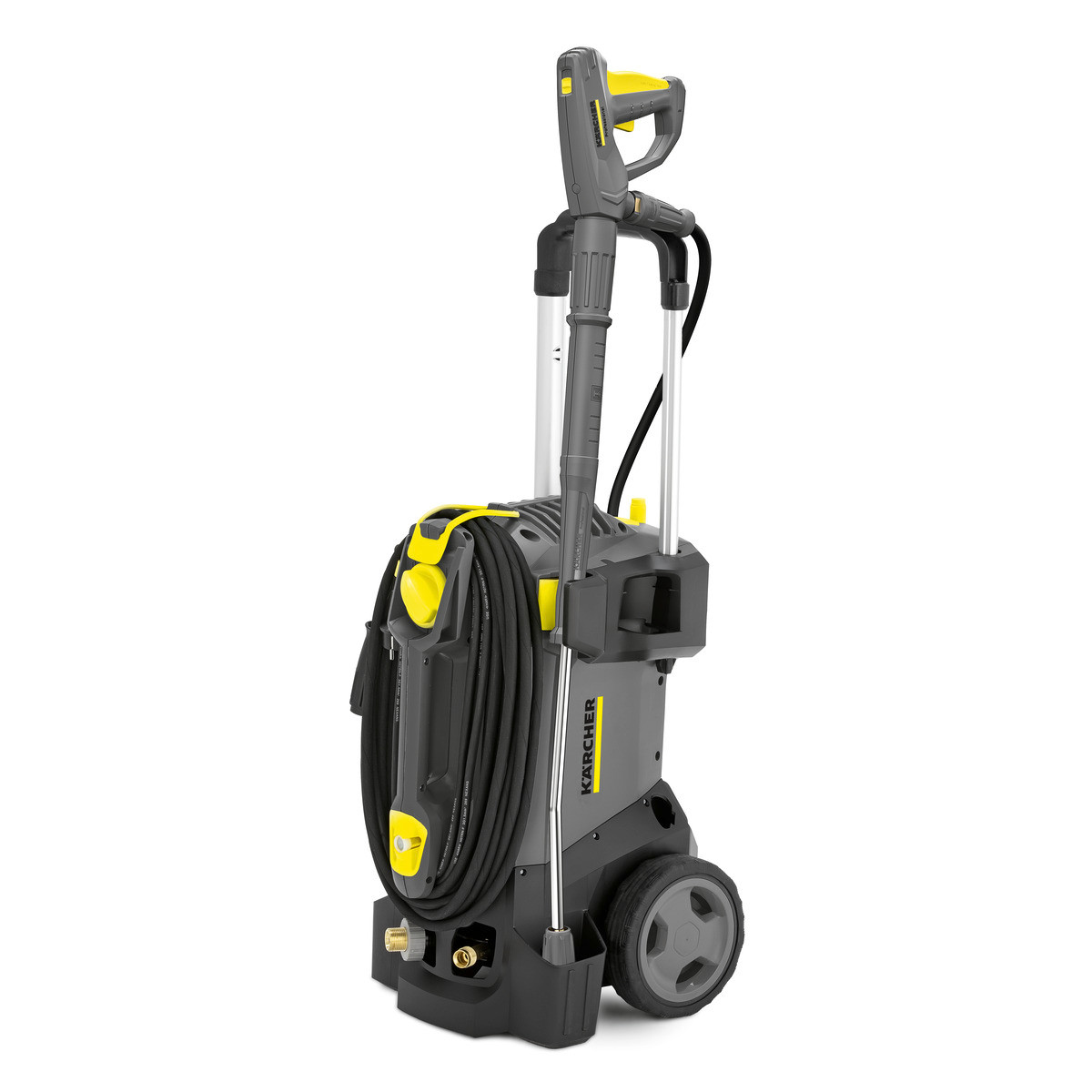
Portable Battery Pressure Washing
Useful where portability and cord-free operation are more important than maximum pressure and flow.
View Pressure Washer →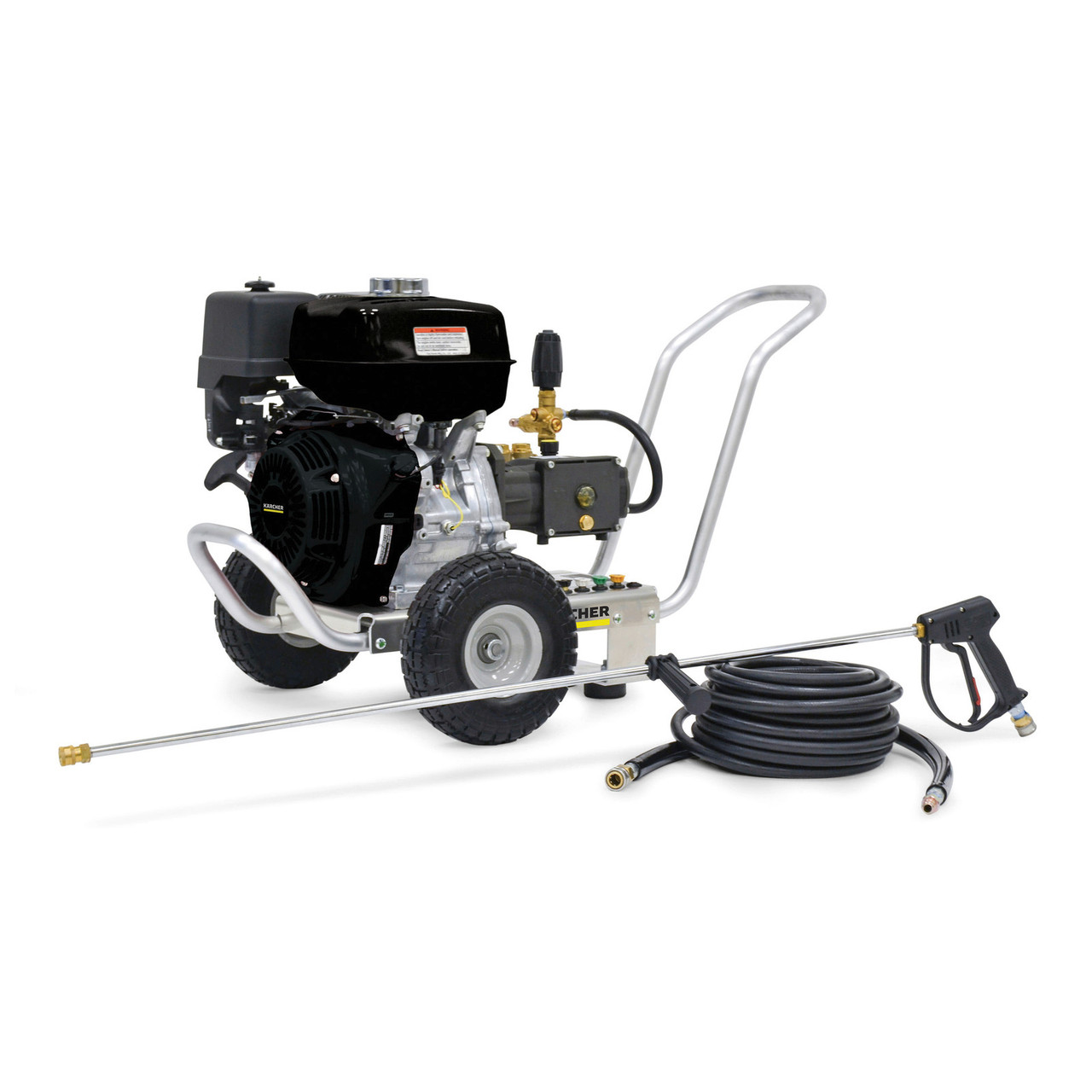
Karcher Teton
Higher-output option for suitable sidewalks, pool decks, exterior surfaces, and larger outdoor cleaning jobs.
View Pressure Washer →
Coastal Humidity vs. Water Damage Drying
These are related problems, but they are not the same. Normal coastal humidity management focuses on environmental moisture, while a leak or flood requires a water-loss drying process.
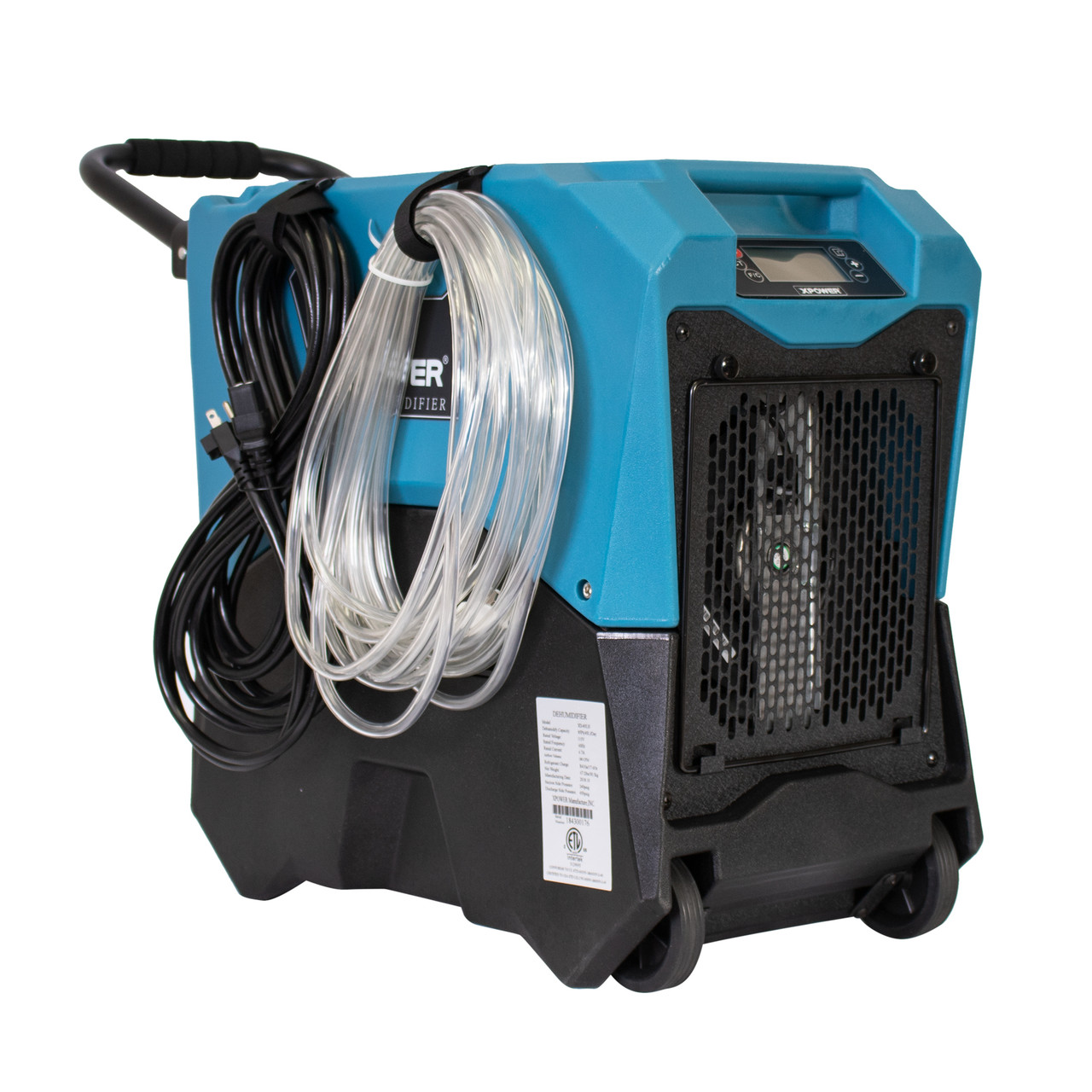
XPOWER Compact LGR Dehumidifier
Portable commercial dehumidification for drying and moisture-control applications.
View Dehumidifier →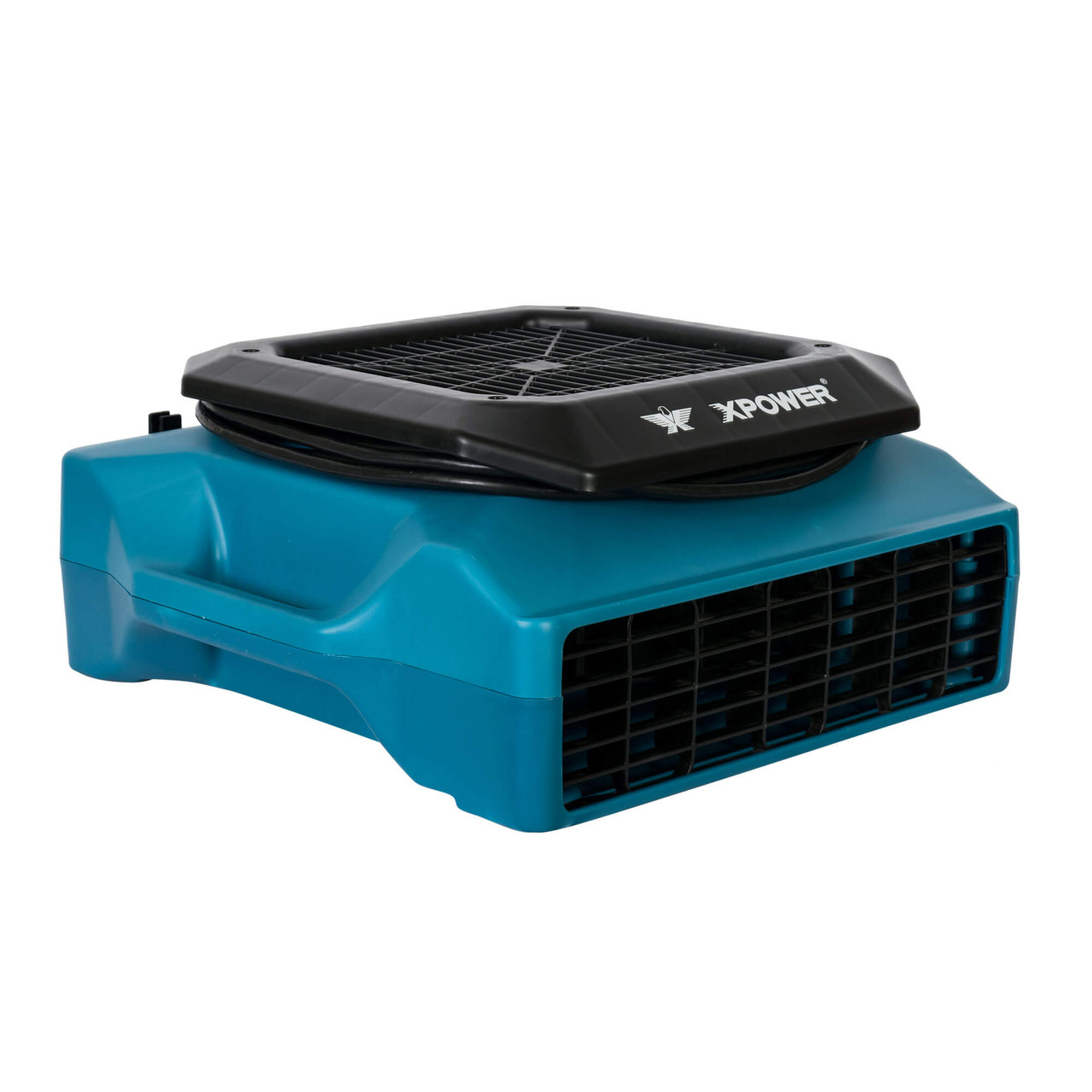
XPOWER PL-700A
Low-profile air movement for wet carpet, hallways, guest rooms, and controlled drying setups.
View Air Mover →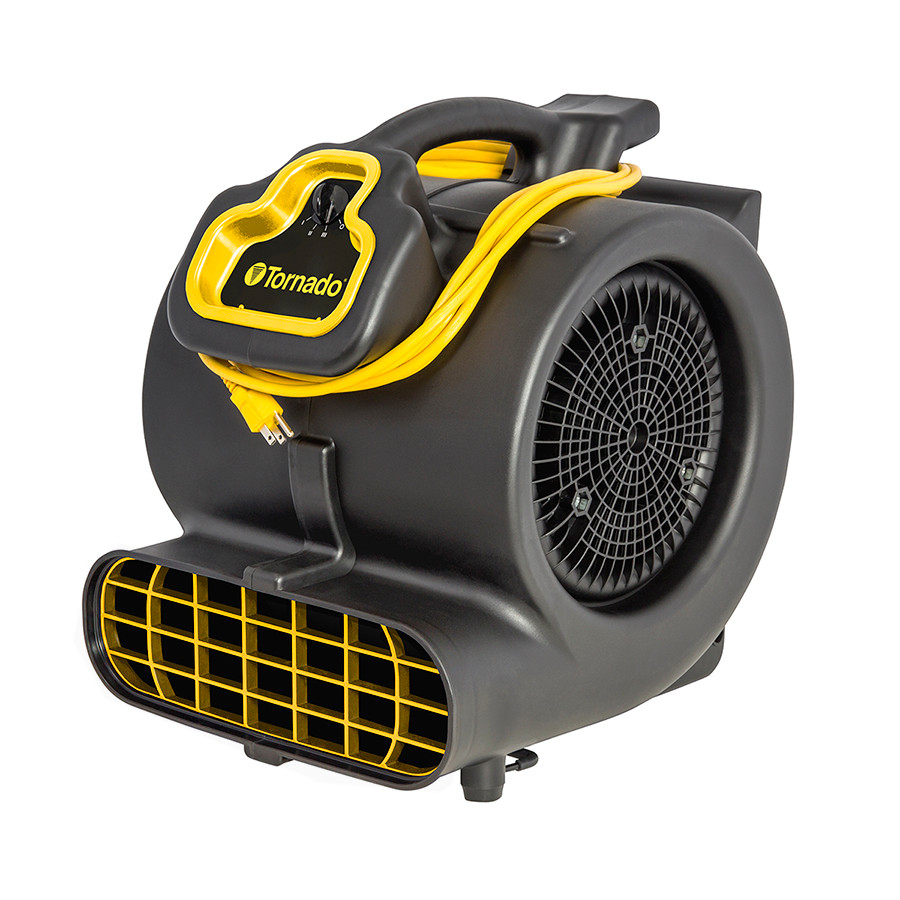
Commercial Dehumidifier Guide
Compare LGR, refrigerant, and desiccant dehumidification.
Read Guide →Structural Drying Guide
Learn how airflow and dehumidification work together after water damage.
Read Guide →Restoration Learning Center
Explore extraction, drying, moisture verification, flooring recovery, and equipment selection.
Explore Restoration Guides →Filtration & Air Quality in Coastal Facilities
HEPA filtration, air scrubbers, negative air, construction dust, filter replacement, and air quality during water damage are covered separately in the MJ University Air Quality & Filtration Learning Center.
Visit Air Quality & Filtration Learning Center →Example Coastal Cleaning Frequency by Area
Actual frequency should be adjusted for occupancy, season, weather, soil load, floor type, and facility standards.
Entrances & Sand Zones
Check multiple times daily. Sweep, vacuum, and service mats as soil accumulates.
Lobby Hard Floors
Daily routine cleaning with additional spot cleaning during high traffic.
Carpet
Vacuum daily. Use spot cleaning and interim maintenance as needed, with periodic extraction based on soil load.
Restrooms
Multiple service checks daily in busy facilities, with scheduled deeper tile and grout cleaning.
Pool Decks & Exteriors
Inspect routinely and schedule sweeping or washing based on sand, organic buildup, traffic, and weather.
Humidity & Moisture
Monitor conditions continuously through building systems and investigate unusual dampness promptly.
Coastal Cleaning Problems to Avoid
- Auto scrubbing over loose sand instead of dry-removing abrasive grit first.
- Using too much chemical and leaving sticky or hazy residue behind.
- Allowing entrance mats to become overloaded so they stop capturing soil effectively.
- Over-wetting carpet when humidity or ventilation already slows drying.
- Using excessive pressure outdoors on coatings, grout, soft stone, painted surfaces, or sealers.
- Treating every restroom soil with the same chemical regardless of whether the problem is grease, mineral buildup, soap residue, or routine soil.
- Assuming a wet area is dry because it looks dry. Water-loss drying should be verified appropriately when moisture may remain in materials.
Continue Learning
Use these Learning Centers for deeper guidance on the individual cleaning systems discussed above.
Ready to Compare Equipment?
Use the education above to narrow the type of equipment you need, then browse the matching category.
Need Help Building a Coastal Cleaning Program?
Monster Janitorial can help compare equipment, chemicals, pads, brushes, and cleaning methods based on your floor types, facility size, guest traffic, soil conditions, and cleaning schedule.
Tax-exempt purchasing and purchase-order support are available for qualifying schools, universities, government agencies, municipalities, healthcare facilities, and other institutional customers.