
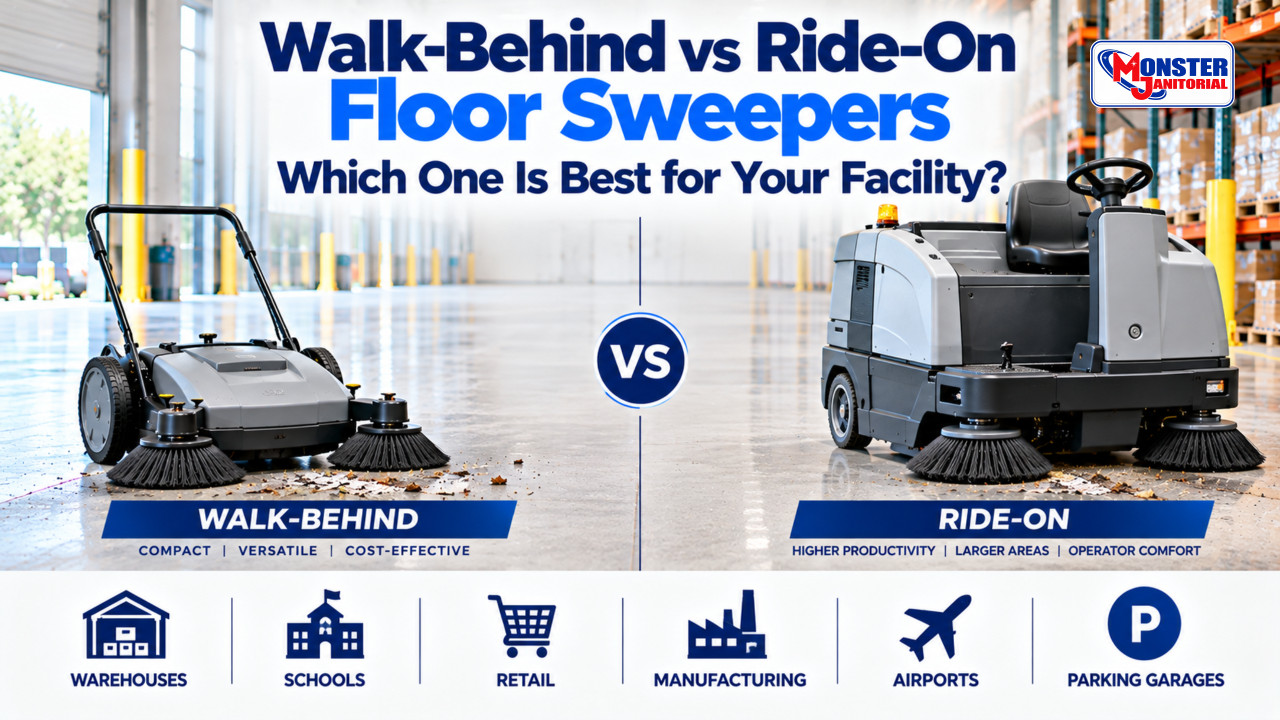
Walk-Behind vs Ride-On Floor Sweepers: Which Should You Choose?
Walk-behind and ride-on floor sweepers both improve debris pickup compared with manual sweeping, but they are designed for different facility sizes, layouts, cleaning routes, and productivity needs.
Compare machine size, maneuverability, operator requirements, debris capacity, power options, facility applications, and cleaning productivity.
Choose a walk-behind sweeper when maneuverability, compact storage, tighter layouts, and shorter cleaning routes matter most. Choose a ride-on sweeper when you have larger open areas, longer cleaning routes, greater debris capacity needs, or want to increase productivity across large facilities.
Walk-Behind vs Ride-On Floor Sweepers at a Glance
Walk-Behind Sweepers
Well suited to tighter layouts and shorter cleaning routes.
- Hallways and aisles
- Classrooms and retail spaces
- Smaller warehouses
- Compact storage areas
- Frequent turning and obstacles
Ride-On Sweepers
Designed for longer routes and larger open areas.
- Large warehouses
- Campuses and public facilities
- Parking garages
- Industrial buildings
- Long repeated cleaning routes
What Is a Walk-Behind Floor Sweeper?
A walk-behind floor sweeper is operated by a person walking behind the machine. Depending on the model, the operator may manually push the sweeper or guide a powered drive system.
Walk-behind sweepers are especially useful where aisle width, turning space, storage, and maneuverability matter more than maximum large-area productivity.
Common Walk-Behind Sweeper Applications
- Schools and universities
- Retail stores
- Small and medium warehouse areas
- Churches and community centers
- Entryways and hallways
- Classrooms and tighter indoor spaces
What Is a Ride-On Floor Sweeper?
A ride-on floor sweeper allows the operator to sit on the machine while sweeping. These machines are designed for larger cleaning routes where higher travel speed, larger debris capacity, and increased productivity can provide an advantage.
Ride-on models are often used where operators need to cover large floor areas repeatedly, but actual productivity depends on the machine size, sweeping width, facility layout, turning requirements, and debris conditions.
Common Ride-On Sweeper Applications
- Large warehouses and distribution centers
- Manufacturing facilities
- Parking garages
- Large school and campus areas
- Airports and public facilities
- Industrial sweeping routes
Compact Riders & Sweeper Power Options
Sweeper selection is not limited to small walk-behind machines and large industrial riders. Compact rider sweepers can provide a middle ground for facilities that need more productivity while still working within tighter layouts.
Battery Sweepers
Common in indoor facilities where exhaust-free operation and lower operating noise are priorities. Runtime and charging requirements vary by battery system.
Diesel Sweepers
Often used for outdoor and industrial sweeping where long operating periods and heavier debris may be encountered.
LPG Sweepers
Available for some larger commercial and industrial applications. Indoor use requires appropriate ventilation and compliance with facility and manufacturer requirements.
Walk-Behind vs Ride-On Floor Sweepers: Key Differences
| Category | Walk-Behind Sweeper | Ride-On Sweeper |
|---|---|---|
| Cleaning Route | Shorter or more congested routes | Longer repeated routes |
| Facility Layout | Tighter aisles, hallways, and obstacles | Larger open areas with sufficient turning room |
| Productivity | Appropriate for smaller and medium cleaning areas | Can cover larger areas more efficiently |
| Operator Position | Operator walks behind machine | Operator rides on machine |
| Storage | Generally requires less storage space | Requires more room for storage and maneuvering |
| Debris Capacity | Smaller hopper capacities are common | Larger hopper capacities are common |
| Purchase Cost | Often lower, depending on model | Often higher due to size and features |
When a Walk-Behind Floor Sweeper Makes More Sense
- Your cleaning route includes tight hallways, aisles, or obstacles
- You need a compact machine that is easier to store
- The total sweeping area does not justify a larger rider
- You are cleaning classrooms, retail areas, offices, or smaller warehouse sections
- You need a machine that can make frequent turns
When a Ride-On Floor Sweeper Makes More Sense
- You clean large open areas on a regular schedule
- Your cleaning routes are long
- Debris volume requires a larger hopper
- You sweep warehouses, industrial buildings, campuses, or parking areas
- Reducing total cleaning time is a major priority
Best Sweeper Type by Facility
Schools & Universities
Walk-behind sweepers can fit classrooms and hallways, while compact or full-size riders may suit gyms, commons, campuses, and large corridors.
Warehouses
Machine size should match aisle width, debris type, open floor area, and cleaning frequency. Larger warehouses may benefit from ride-on productivity.
Government Facilities
Smaller municipal buildings may use walk-behind equipment, while larger civic or public-works facilities may require compact or full-size riders.
Commercial Buildings
Choose based on floor layout, cleaning route, debris load, storage space, operating frequency, and productivity requirements.
Questions to Ask Before You Buy a Floor Sweeper
- How large is the actual sweeping route?
- Is the area open or tight and congested?
- How often will the machine be used?
- What type and volume of debris are you collecting?
- How wide are your doors, aisles, and narrowest passages?
- Will the sweeper be used indoors, outdoors, or both?
- How much storage space is available?
- What power source works best for the facility?
- What level of productivity does the cleaning route require?
Commercial Floor Sweepers
Compare manual, battery walk-behind, and ride-on sweepers for commercial debris pickup and facility maintenance.
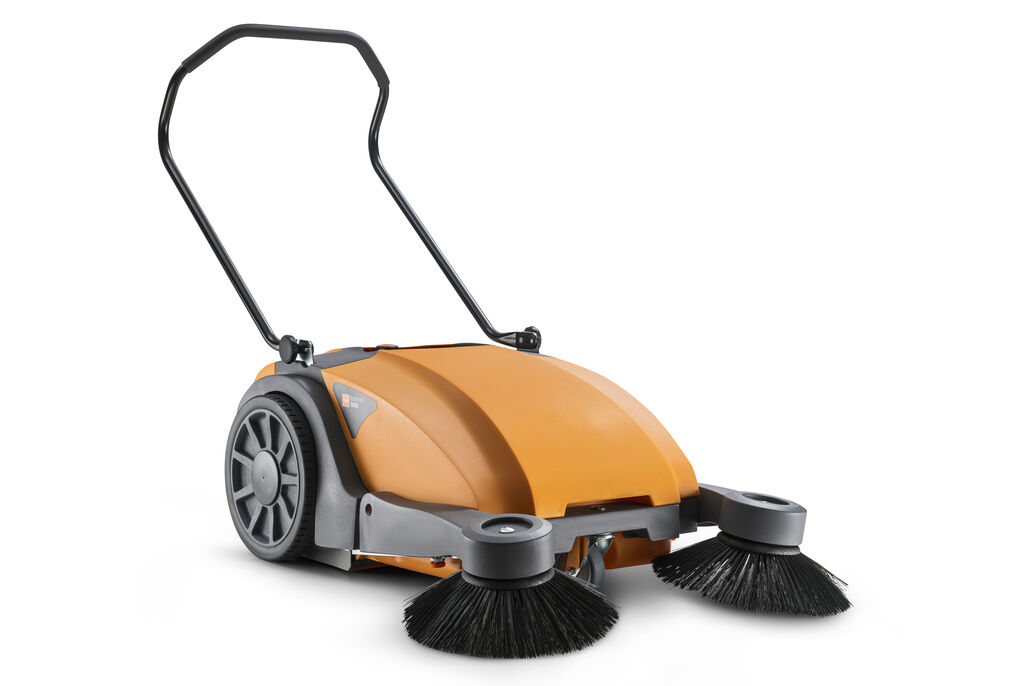
TASKI Balimat 1600
Manual push sweeper for entryways, sidewalks, classrooms, retail spaces, and quick debris pickup.
View Manual Sweeper →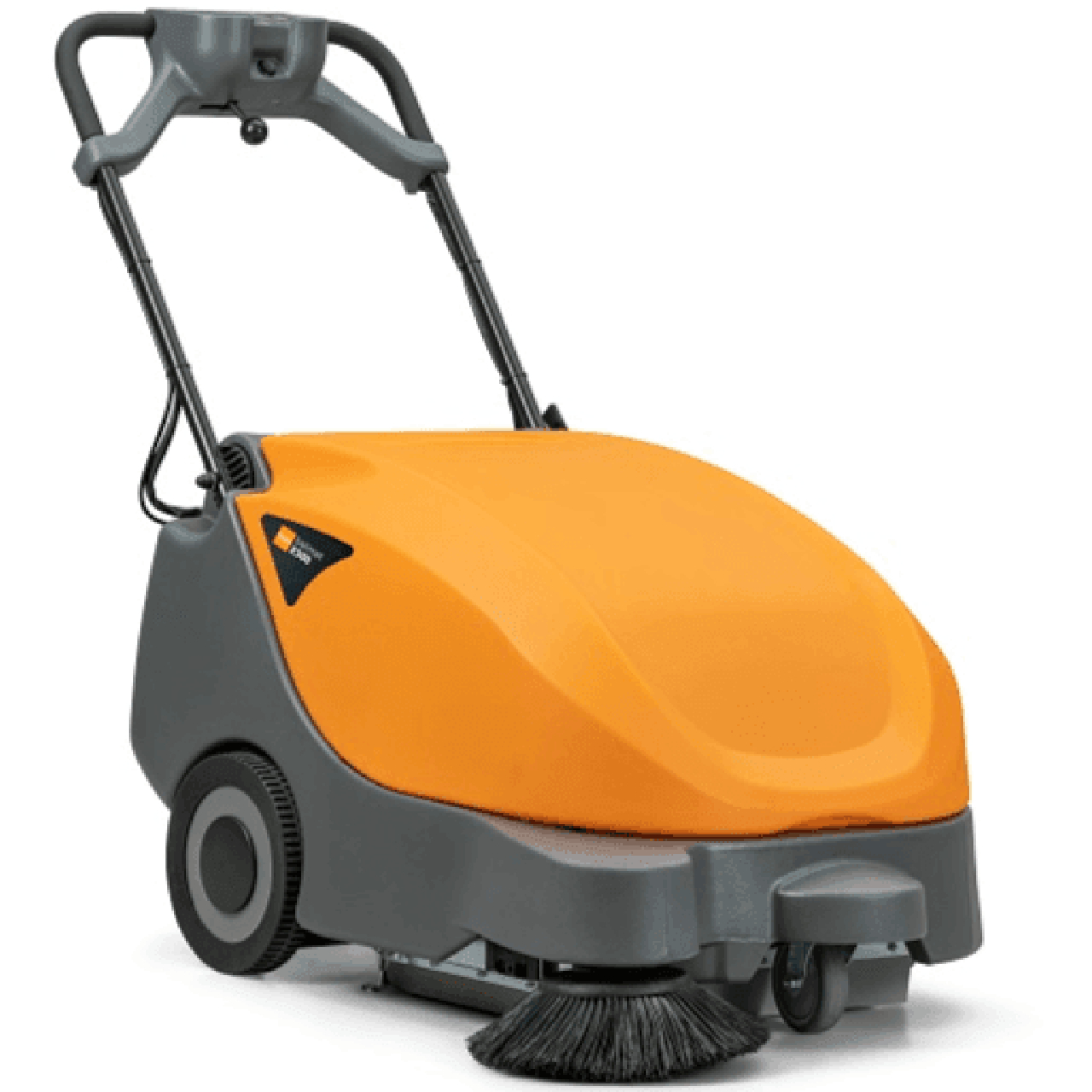
TASKI Balimat 2300
Compact battery sweeper for hallways, classrooms, libraries, retail aisles, and medium-size cleaning routes.
View Battery Sweeper →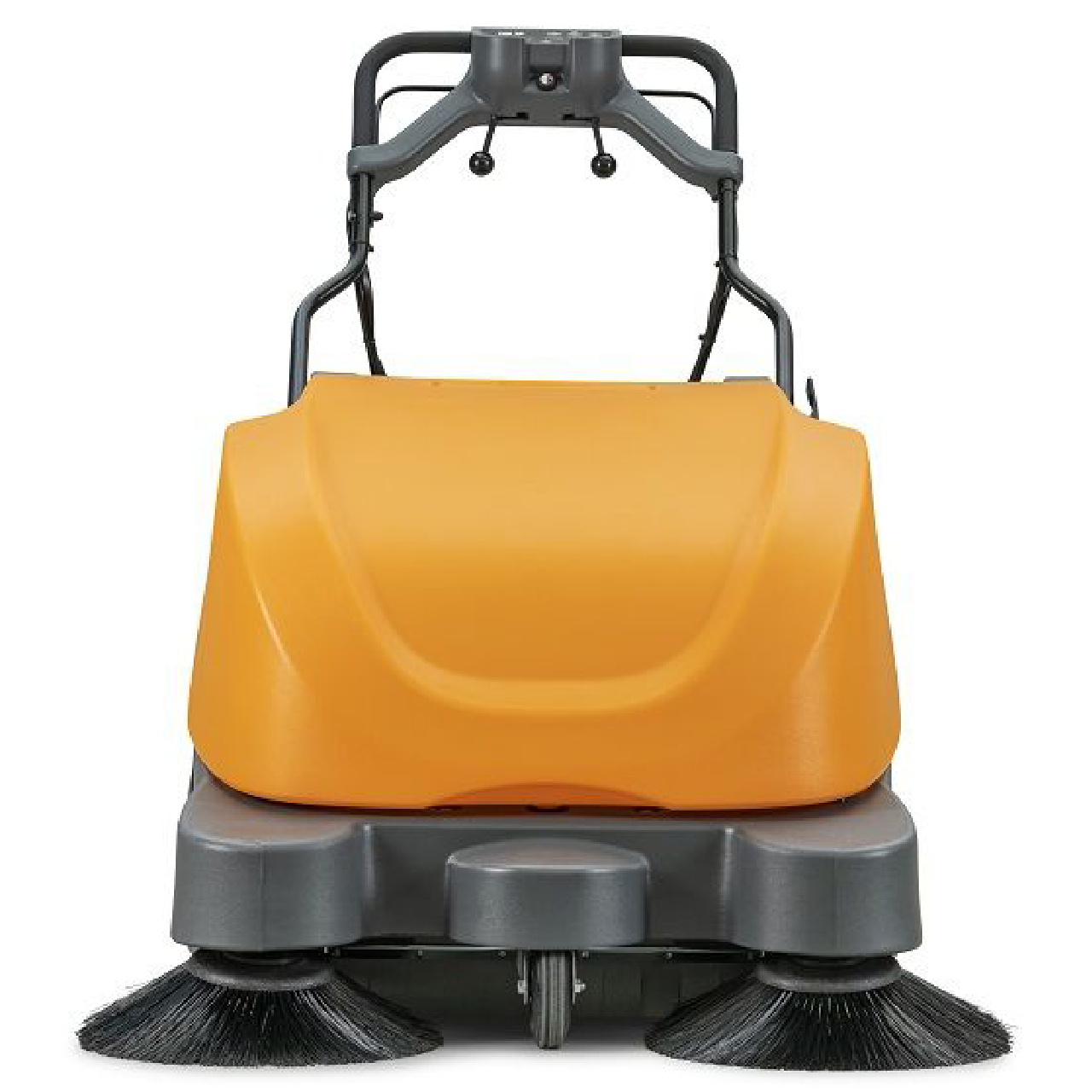
TASKI Balimat 3300
Battery-powered sweeper for school corridors, cafeterias, warehouses, public buildings, and larger debris routes.
View Battery Sweeper →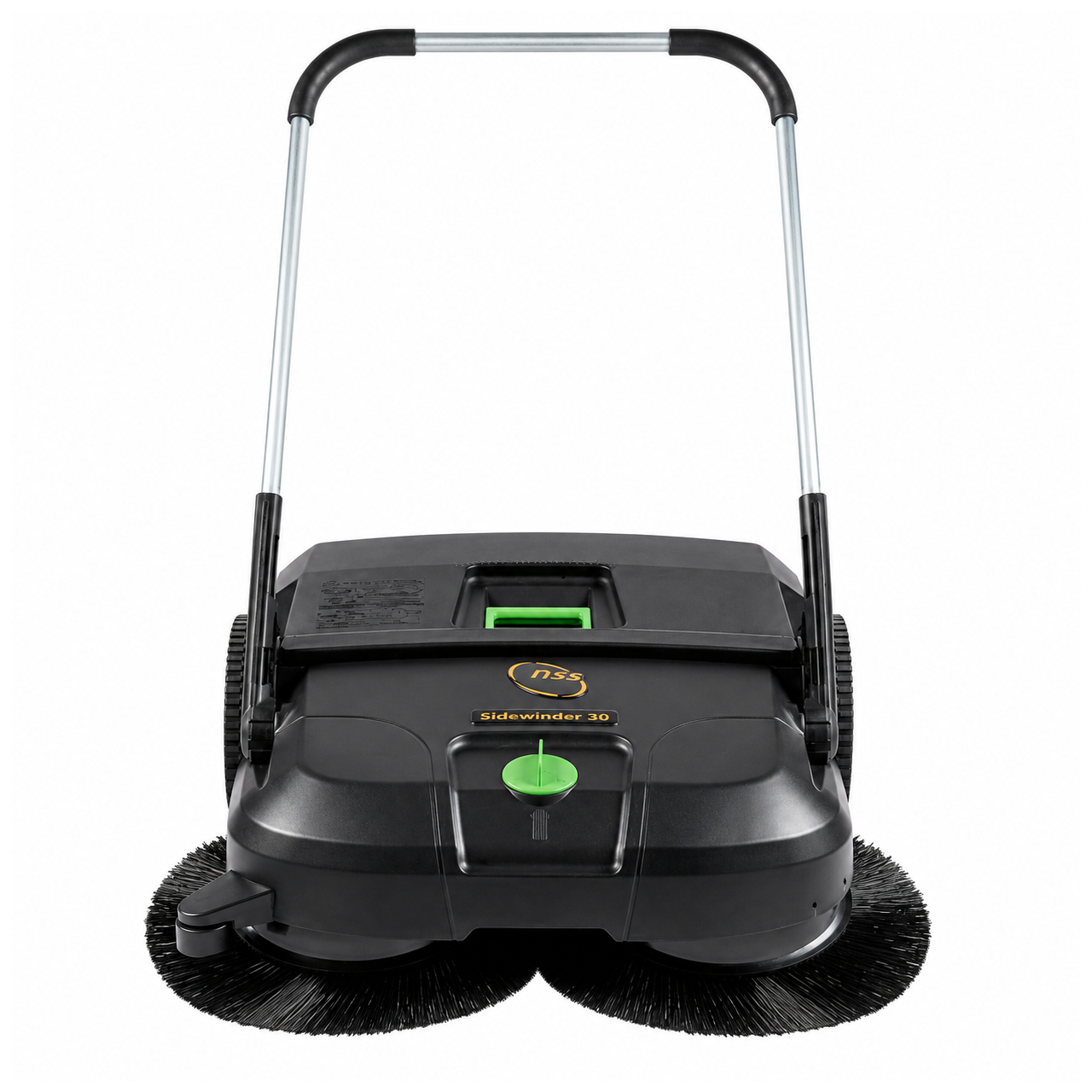
Tornado Sidewinder 30
Manual sweeper for hallways, entryways, sidewalks, classrooms, and quick facility cleanup.
View Manual Sweeper →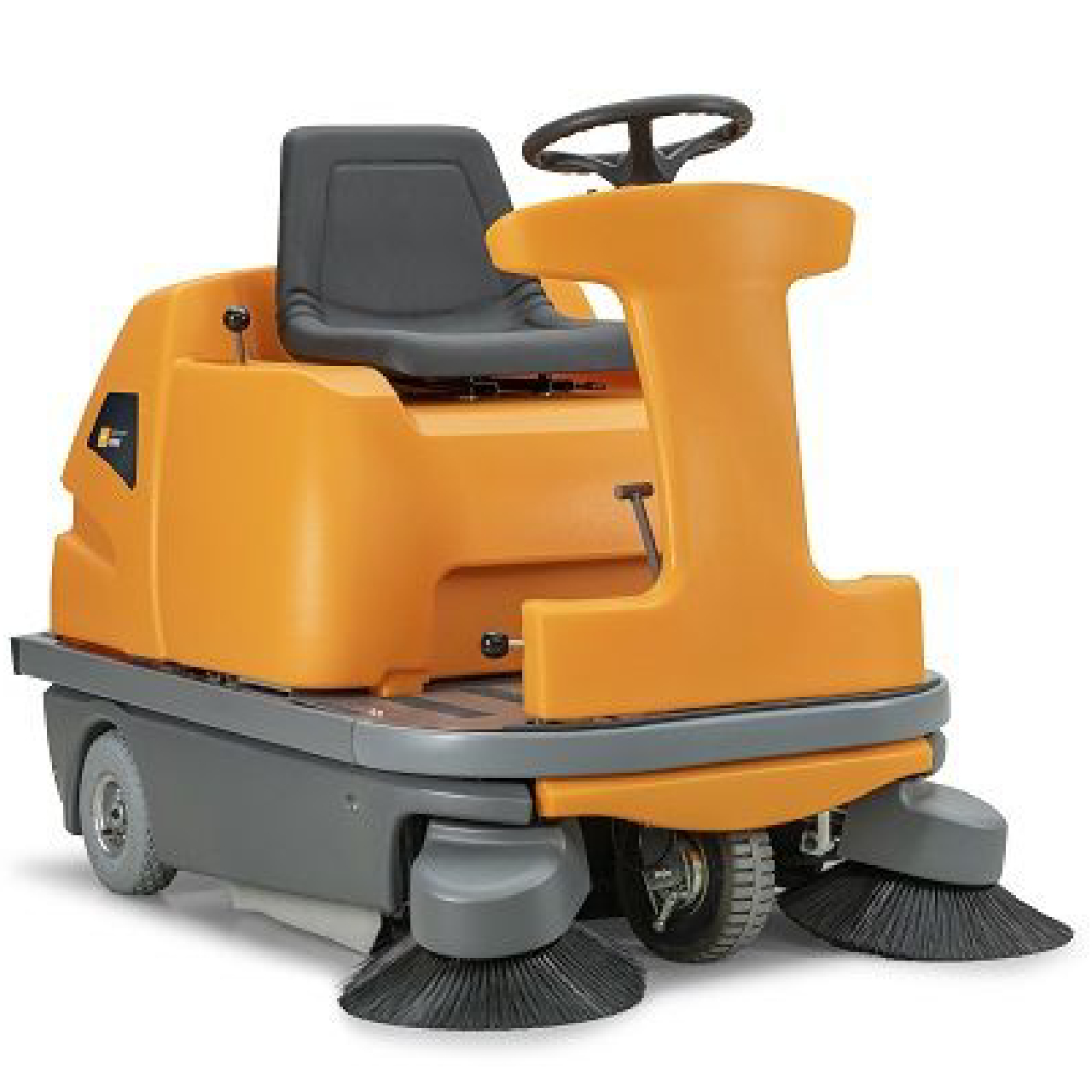
TASKI Balimat 6500
Ride-on sweeper for larger campuses, warehouses, gyms, common areas, parking areas, and open commercial facility spaces.
View Ride-On Sweeper →Do You Need a Floor Sweeper or a Floor Scrubber?
A floor sweeper is primarily designed to collect dry debris such as dust, dirt, sand, paper, and small litter. An auto scrubber uses cleaning solution and mechanical agitation to wash hard floors and recover dirty solution.
Many facilities use both: sweep first when loose debris is present, then scrub when the floor requires wet cleaning.
Shop Auto Scrubbers →Related MJ University Guides
Learn More with MJ University
Explore commercial cleaning guides, equipment education, maintenance tips, floor-care resources, troubleshooting help, and buying advice from Monster Janitorial.
Explore MJ University →Need Help Choosing a Floor Sweeper?
Tell us your facility size, layout, debris type, cleaning frequency, and preferred power source. Monster Janitorial can help compare manual, walk-behind, compact rider, and ride-on sweepers.