

Commercial Carpet Care
Low-Moisture Carpet Cleaning Guide
Compare encapsulation, orbital cleaning, CRB systems, drying times, equipment, and the role of low-moisture cleaning in a complete commercial carpet-maintenance program.
Low-moisture carpet cleaning helps commercial facilities improve carpet appearance while reducing drying time and downtime.
These systems use controlled moisture, agitation, encapsulation chemistry, bonnet cleaning, or CRB equipment instead of heavily saturating the carpet.
Quick Answer
Low-moisture carpet cleaning uses encapsulation chemistry, orbital machines, bonnet cleaning, or CRB systems to clean carpet with less water and faster drying than traditional extraction.
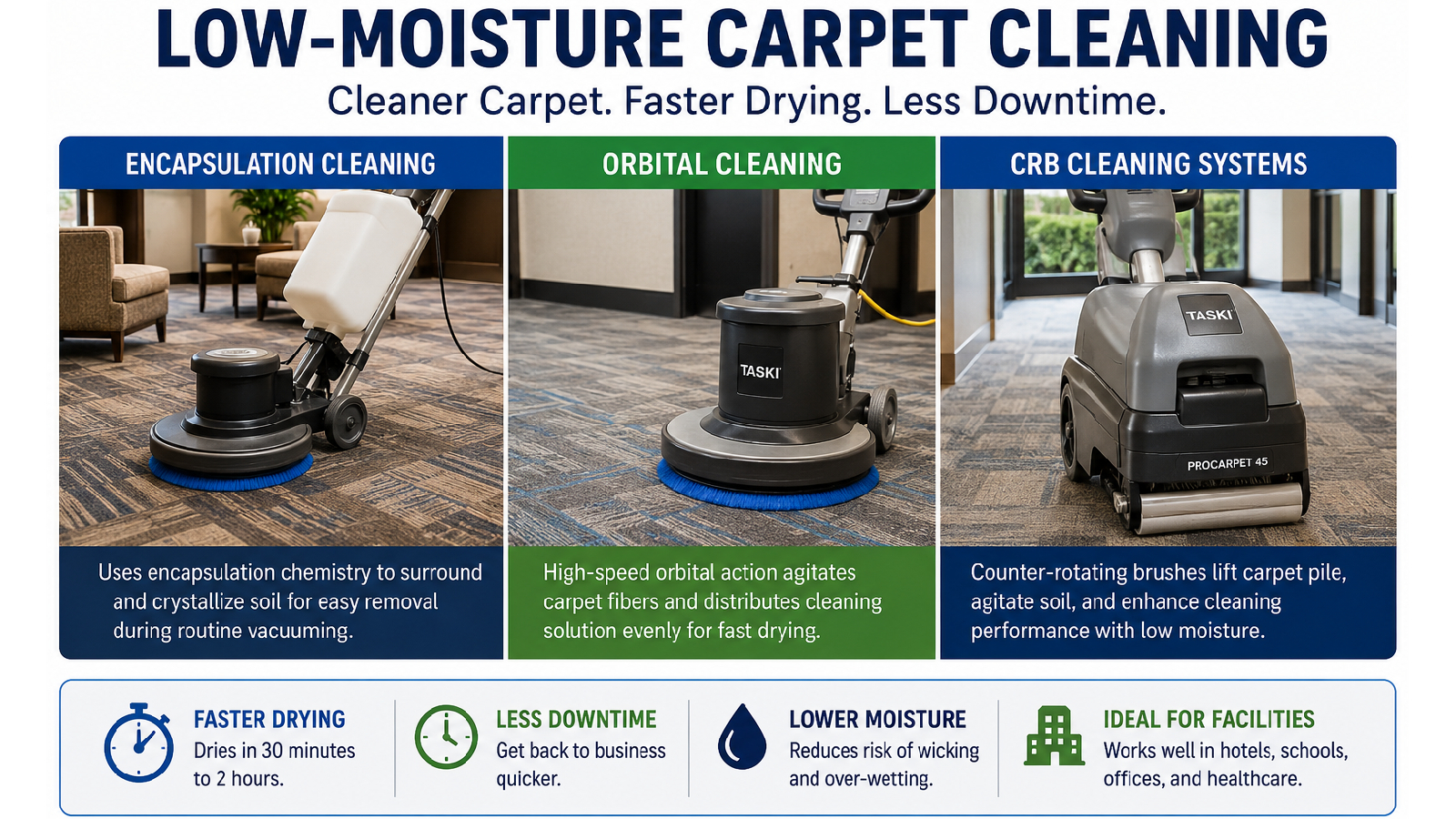
Low-Moisture Carpet Cleaning
Encapsulation, orbital cleaning, and counter-rotating brush systems use controlled moisture and mechanical agitation to improve carpet appearance while reducing drying time and facility downtime.
Why Facilities Use It
Benefits of Low-Moisture Carpet Cleaning
Carpet can often return to service much sooner.
Useful for occupied buildings and daytime maintenance.
Controlled moisture helps reduce recurring stains.
Supports routine interim cleaning between extractions.
Best Applications
Common Facilities
Cleaning Methods
Types of Low-Moisture Carpet Cleaning
Most Common Method
Encapsulation Cleaning
Uses specialized detergents that surround and crystallize soil. After drying, the residue is removed through routine vacuuming.
High-Agitation Option
Orbital Carpet Cleaning
Uses orbital motion to distribute chemistry, agitate carpet fibers, and support interim cleaning or bonnet applications.
Pile-Lifting Option
CRB Carpet Cleaning
Counter-rotating brushes lift carpet pile, loosen soil, and distribute encapsulation chemistry before vacuuming or extraction.
Drying Time Comparison
Low Moisture vs Hot Water Extraction
Low-Moisture Cleaning
30 Minutes–2 Hours
Best for routine appearance maintenance, occupied spaces, and fast-return areas.
Hot Water Extraction
4–12 Hours
Best for restorative deep cleaning and heavier embedded soil removal.
Speed Up Drying
Improve Carpet Drying Times
Even low-moisture cleaning benefits from proper airflow. Air movers help reduce downtime and limit carpet wicking after cleaning.
Shop Air Movers & Drying FansMaintenance Planning
Best Carpet-Cleaning Strategy for Commercial Facilities
Vacuuming and spot cleaning
Encapsulation or interim cleaning
Hot water extraction
Airflow and drying support
Recommended Carpet-Care Equipment
Commercial Machines for Low-Moisture Cleaning, Extraction & Drying
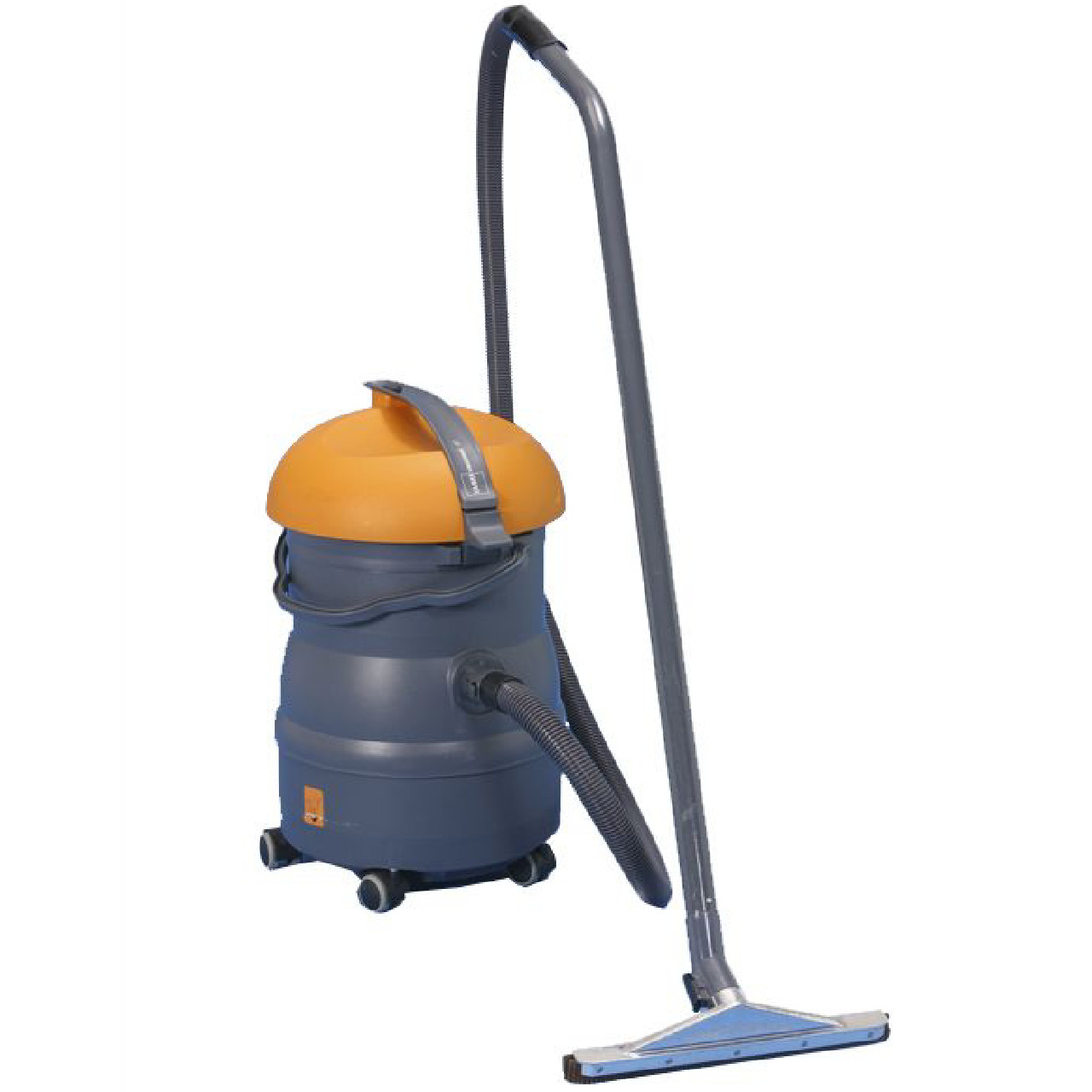
TASKI Dry Foam
Low-moisture system for interim cleaning, encapsulation, and faster drying.
View Machine →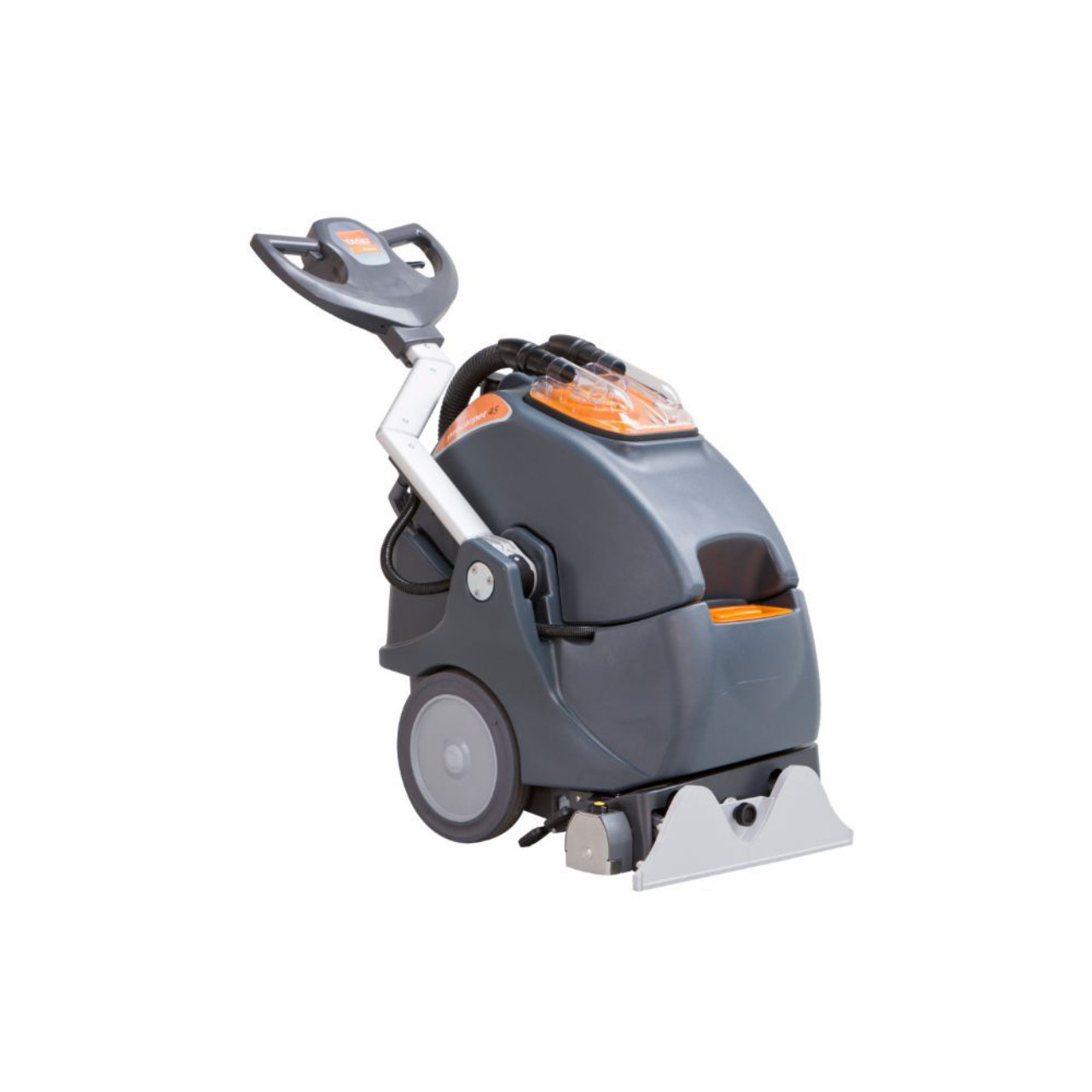
TASKI Procarpet 45
Commercial carpet extractor for interim and restorative carpet maintenance.
View Machine →
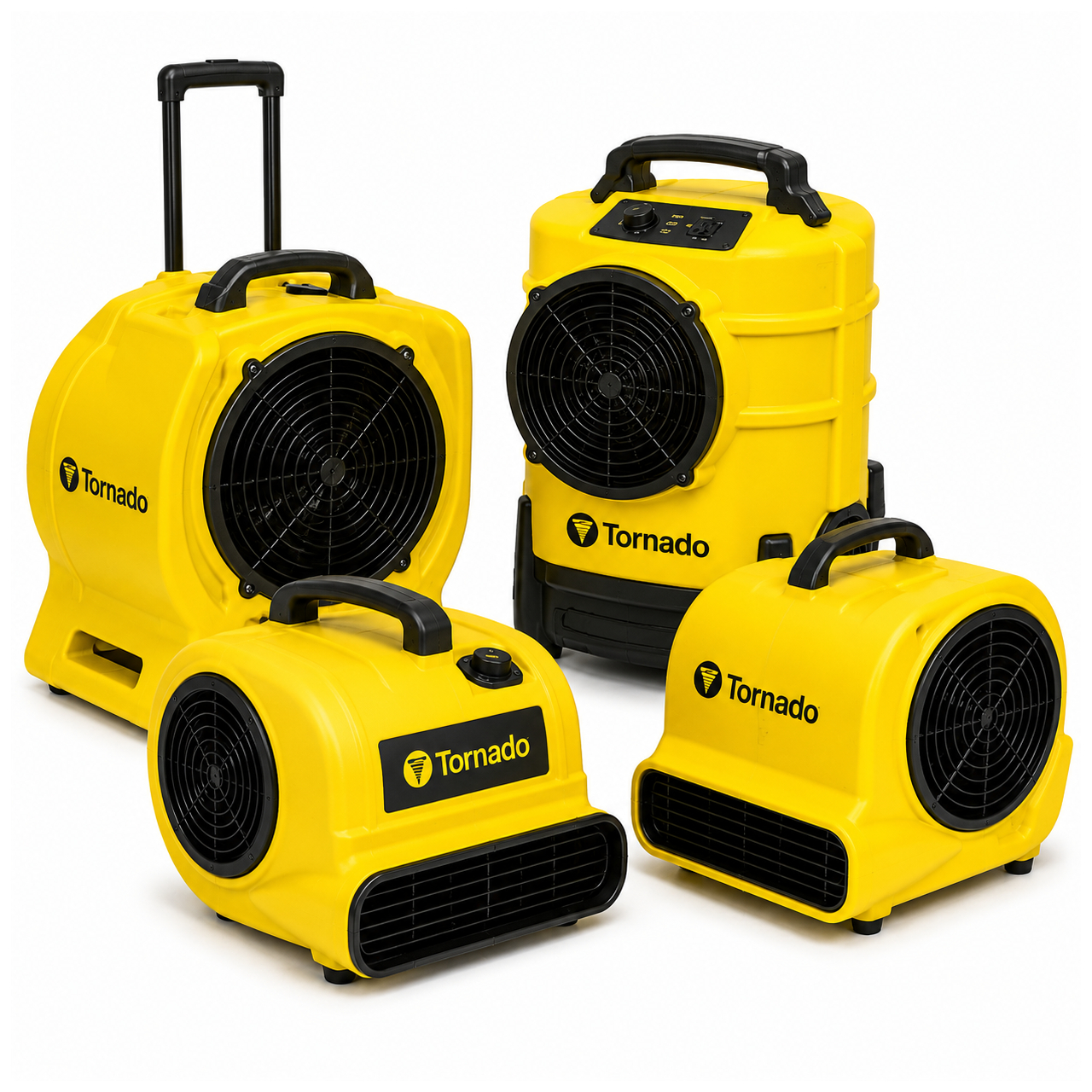
Air Movers & Drying Fans
Improve airflow, reduce drying time, and help limit carpet wicking.
Shop Air Movers →Final Recommendation
Use low-moisture methods for routine appearance maintenance and faster drying. Schedule restorative extraction when deeper soil removal is needed. Combining both methods creates a stronger long-term carpet-care program.
- #bonnet carpet cleaning
- #carpet appearance management
- #carpet cleaning for hotels
- #carpet cleaning machines
- #carpet cleaning systems
- #carpet drying time
- #carpet maintenance
- #Cimex carpet cleaning
- #commercial carpet cleaning
- #commercial carpet extractor
- #commercial carpet maintenance
- #CRB carpet cleaning
- #encapsulation carpet cleaning
- #encapsulation cleaning
- #low moisture carpet cleaning
- #low moisture cleaning
- #NSS Galaxy orbital machine
- #orbital carpet cleaning
- #TASKI ergodisc
- #TASKI Procarpet