
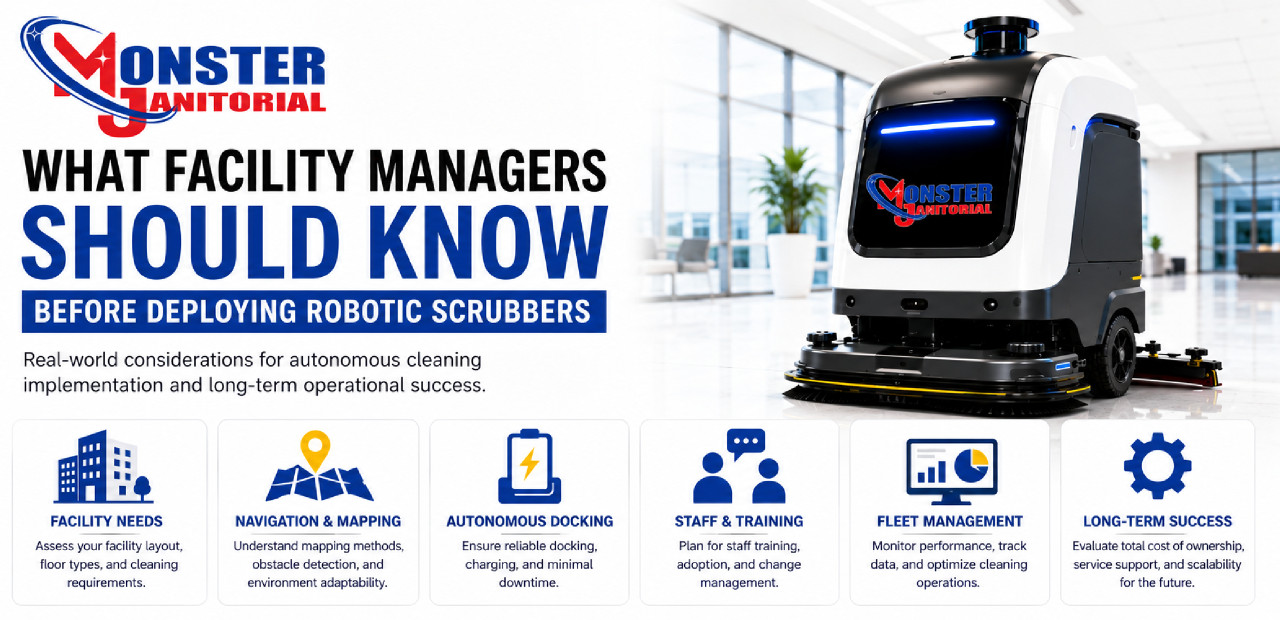
Real-world considerations for autonomous cleaning implementation and long-term operational success.
Autonomous floor scrubbers are transforming commercial cleaning operations across schools, healthcare facilities, airports, warehouses, municipalities, and large public buildings.
But successful robotics deployment involves much more than simply purchasing a robotic cleaning machine.
Facility managers evaluating autonomous cleaning systems must consider building layout, staffing workflows, charging infrastructure, fleet management software, navigation technology, maintenance planning, and long-term operational expectations.
Robotics Success Depends on Facility Readiness
Autonomous Cleaning Is an Operational System — Not Just a Machine
Robotic scrubbers perform best when facilities prepare workflows around the technology. Successful deployments typically combine robotics planning, staff training, facility mapping, charging access, and long-term maintenance strategies.
Facility Layout
Wide hallways, predictable routes, open floor areas, and consistent flooring improve robotic cleaning performance.
Operator Training
Staff still need to understand route setup, inspections, water handling, charging, and daily machine care.
Long-Term Workflow
Robotics works best when it is integrated into the facility’s larger cleaning plan, not treated as a standalone machine.
Not Every Facility Is Immediately Robotics-Ready
Some facilities adapt very quickly to autonomous cleaning systems. Others may require layout changes, staff training, or operational adjustments before robotic scrubbers can perform effectively.
Facilities Often Well-Suited for Robotic Scrubbers
- Schools and universities
- Airports and transportation hubs
- Warehouses and logistics centers
- Convention centers
- Large retail stores
- Healthcare corridors and common areas
- Municipal buildings
Facilities That May Require Additional Planning
- Highly congested public environments
- Constantly changing furniture layouts
- Small cluttered spaces
- Facilities with limited charging access
- Buildings with frequent construction or temporary obstacles
- Spaces with tight turns, narrow rooms, or uneven floor transitions
Navigation Technology Matters
Robotic scrubbers may use different navigation systems, and each one performs differently depending on the facility environment.
- LiDAR navigation
- AI camera systems
- SLAM mapping
- Sensor fusion
- Teach-and-repeat route recording
- AI-adaptive obstacle recognition
Choosing the Right Navigation Technology
Works well in stable environments with predictable layouts and consistent cleaning routes.
Better suited for dynamic facilities with changing traffic patterns and unpredictable obstacles.
Provides stronger environmental awareness and improved obstacle detection in complex facilities.
Autonomous Docking Changes Operational Efficiency
Autonomous docking and charging systems reduce the amount of daily operator involvement required to keep robotic scrubbers running.
Modern systems may include:
- Autonomous charging
- Automatic docking stations
- Self-guided return to charge
- Scheduled route restarting
- Cloud-connected scheduling systems
| Feature | Operational Benefit |
|---|---|
| Autonomous Charging | Reduces manual battery handling and helps limit downtime. |
| Automated Route Restart | Supports overnight and multi-shift cleaning workflows. |
| Cloud Scheduling | Allows centralized robotics management across one facility or multiple locations. |
Staff Training Still Matters
One of the biggest misconceptions about robotic scrubbers is that they completely eliminate operator involvement.
In reality, robotics systems still require trained staff for:
- Route setup
- Machine inspections
- Pad and brush changes
- Water and chemical management
- Preventive maintenance
- Fleet monitoring
- Operational scheduling
Successful robotics deployment usually involves shifting cleaning teams into robotics supervisors, route managers, and operational coordinators.
Fleet Management Software Is Becoming Essential
As organizations deploy multiple robotic scrubbers, fleet management platforms become increasingly important.
Modern robotics fleet systems may include:
- Cloud-connected dashboards
- Usage analytics
- Cleaning verification reports
- Battery monitoring
- Maintenance alerts
- Multi-robot coordination
- Remote diagnostics
- Route scheduling systems
Large facilities often benefit from centralized robotics management because it gives supervisors better visibility into cleaning performance, machine status, and long-term equipment planning.
ROI Is About More Than Labor Reduction
Robotics deployment is not simply about replacing labor.
Facility managers increasingly evaluate robotic scrubbers based on:
- Cleaning consistency
- Operational efficiency
- Staffing flexibility
- Overnight cleaning capability
- Data visibility
- Facility appearance
- Long-term workflow optimization
- Predictable cleaning quality
The most successful robotics deployments usually focus on operational improvement rather than labor elimination alone.
Common Robotics Deployment Mistakes
Avoid These Common Problems
- Choosing robotics systems without evaluating facility layout compatibility
- Underestimating staff training requirements
- Ignoring long-term maintenance planning
- Deploying robotics without fleet management oversight
- Assuming all navigation systems perform the same way
- Expecting robotics to fully eliminate operator involvement
- Overlooking docking station placement and charging infrastructure
- Failing to define what success looks like before deployment
Featured Robotic Cleaning Platform
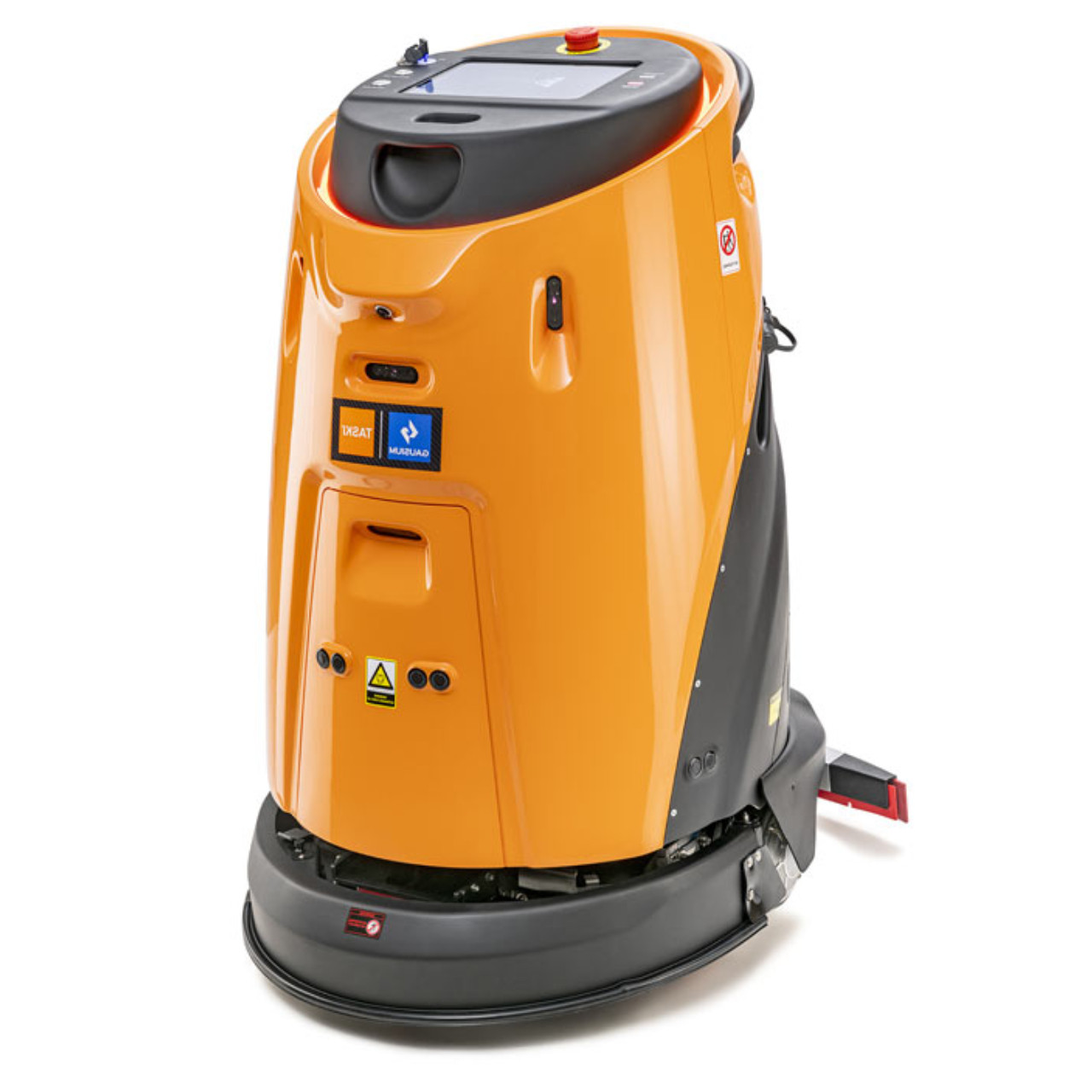
TASKI Ecobot 50 Pro
The TASKI Ecobot 50 Pro is a premium autonomous floor scrubber powered by OMNIE AI and 3D LiDAR navigation, designed for facilities that need adaptive robotic cleaning in active, high-traffic environments.
- Best for: healthcare, schools, airports, retail, and public facilities
- Navigation: OMNIE AI + 3D LiDAR sensor fusion
- Cleaning path: 18"
- Use case: AI-adaptive robotic scrubber drier for hard floor cleaning
Compare Robotic Cleaning Equipment
Use the quick comparison below to match robotic cleaning equipment to your facility needs.
TASKI Ecobot 50 Pro
Best for: Dynamic public environments
AI-adaptive autonomous floor scrubber with OMNIE AI and 3D LiDAR navigation.
View TASKI Ecobot 50 Pro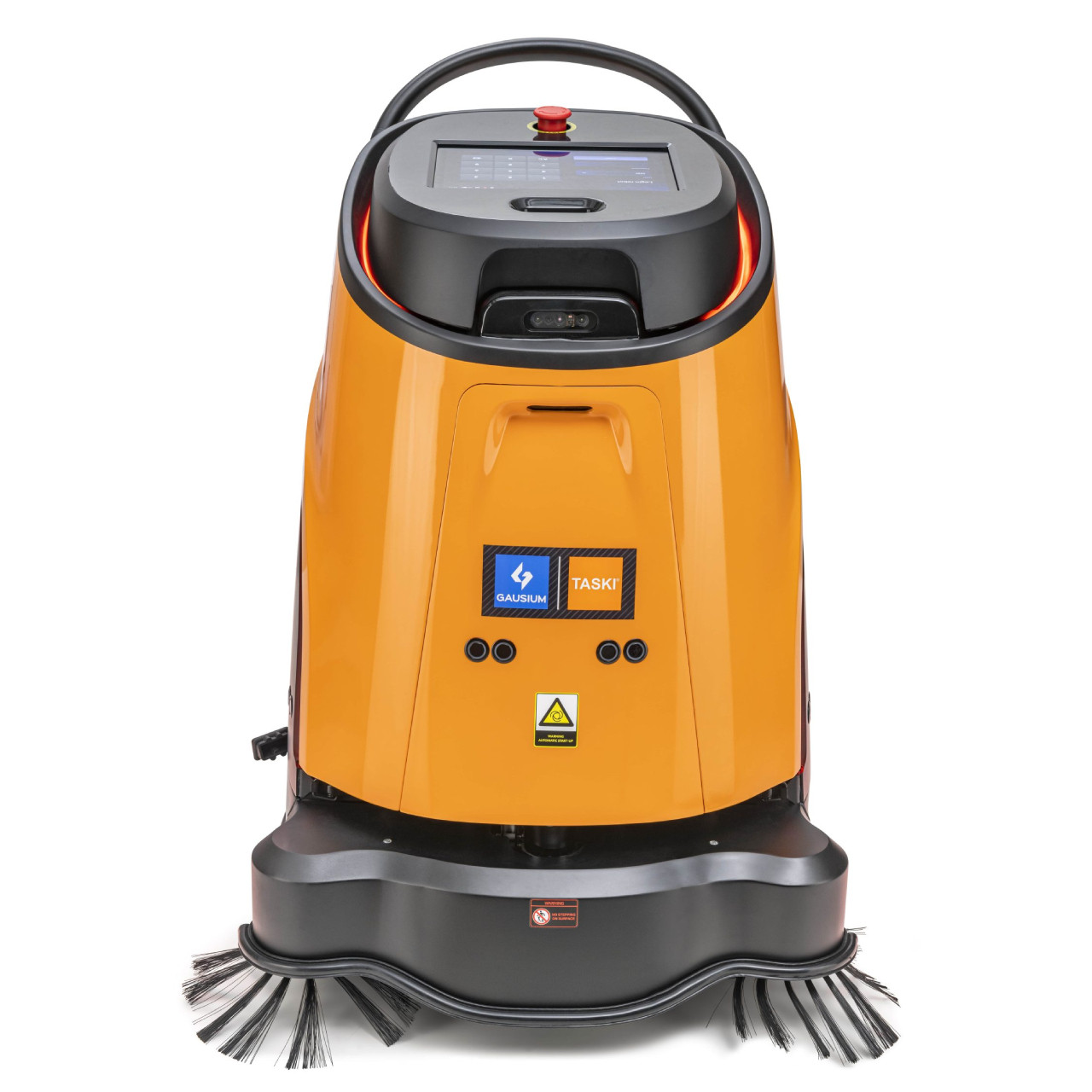
TASKI Ecobot 40
Best for: Autonomous sweeping and debris pickup
Robotic sweeper vacuum system with HEPA H13 filtration.
View TASKI Ecobot 40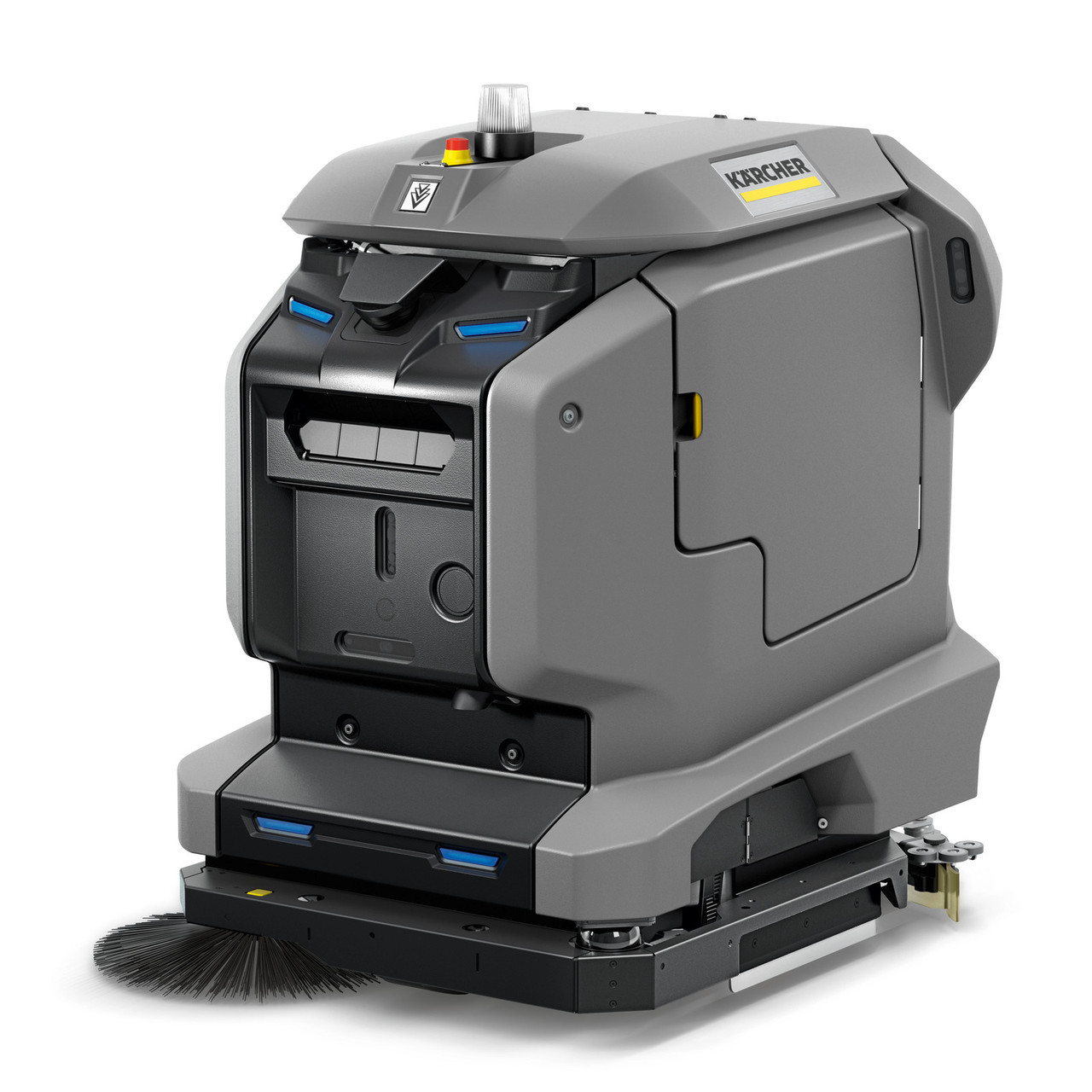
Karcher KIRA B 50
Best for: Structured repeatable routes
22" autonomous robotic floor scrubber for predictable enterprise cleaning.
View Karcher KIRA B 50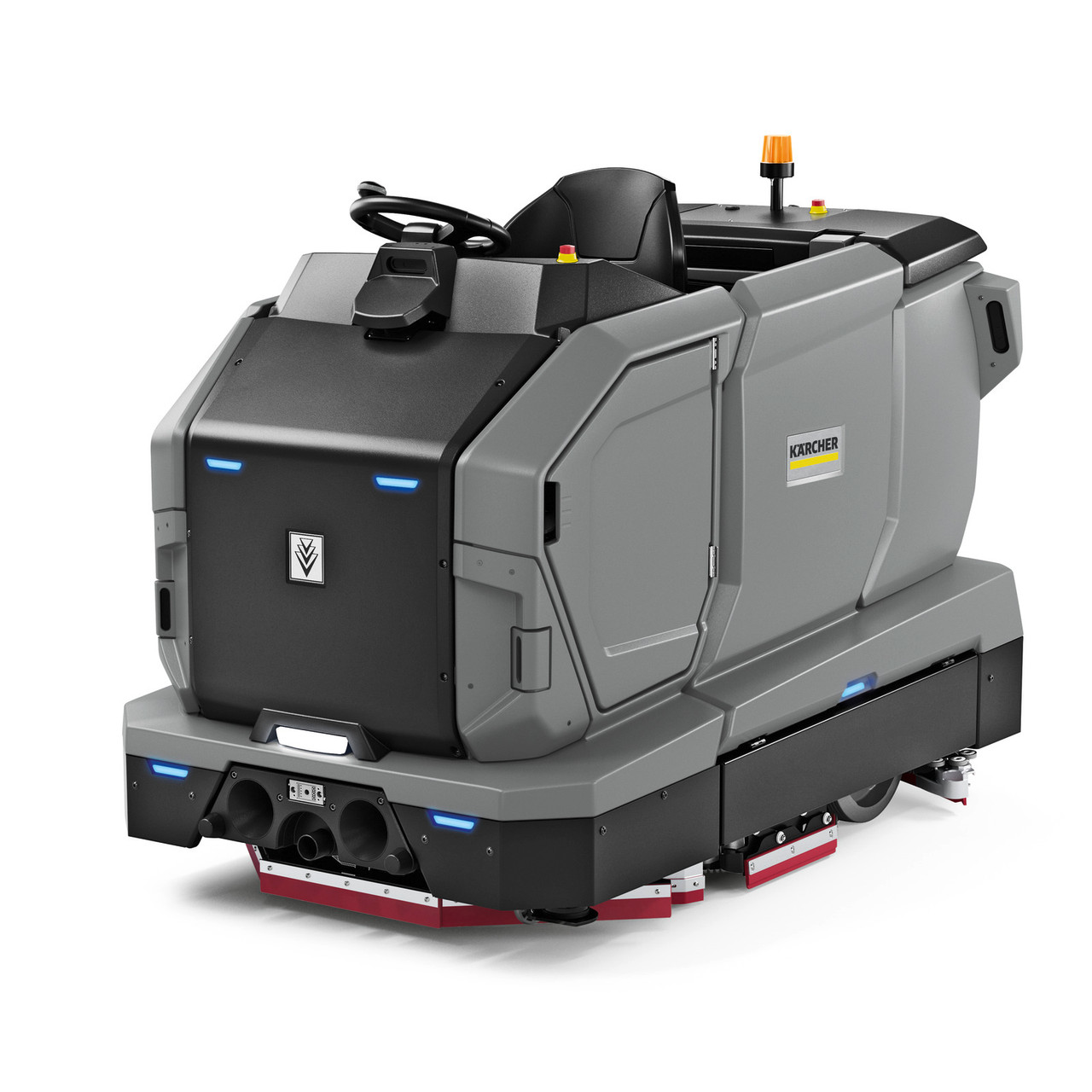
Karcher KIRA BD 200
Best for: Large enterprise facilities
33.5" autonomous floor scrubber with docking station options.
View Karcher KIRA BD 200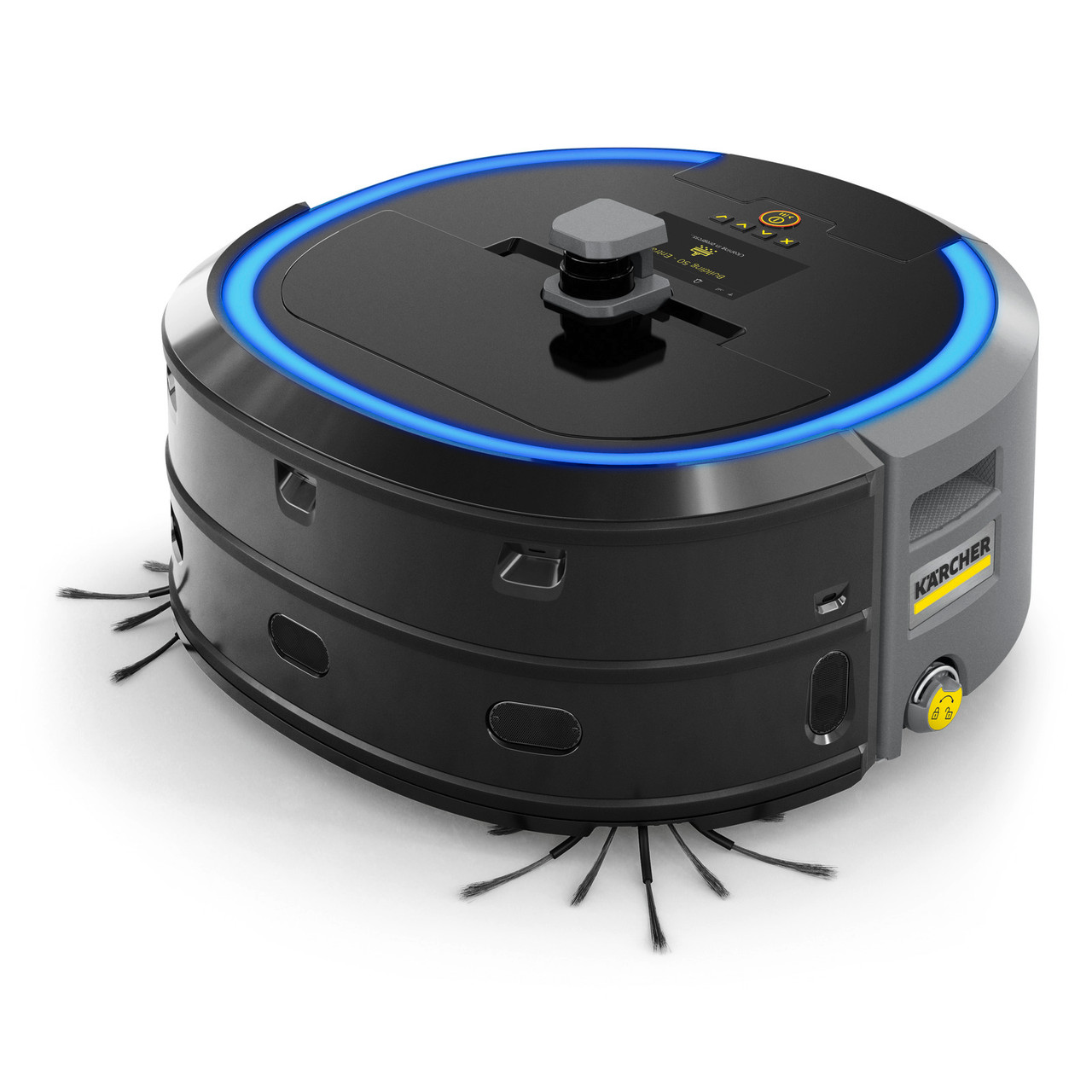
Karcher KIRA CV Vacuums
Best for: Autonomous vacuuming
Commercial robotic vacuum systems for carpet and hard floor vacuuming.
View Karcher KIRA CV 50Need Help Comparing Robotic Cleaning Equipment?
Monster Janitorial can help compare autonomous scrubbers, robotic vacuums, docking stations, navigation systems, brushes, pads, batteries, and facility deployment needs.
Email sales@monsterjanitorial.com or call 956-772-4842.
Final Thoughts
Robotic scrubbers are becoming increasingly important in modern commercial cleaning operations.
But successful deployment depends heavily on:
- Proper facility evaluation
- Navigation technology selection
- Staff training
- Workflow integration
- Fleet management planning
- Long-term operational strategy
Facilities that approach robotics as a connected operational system — rather than simply another machine purchase — are often the most successful with autonomous cleaning deployment.