
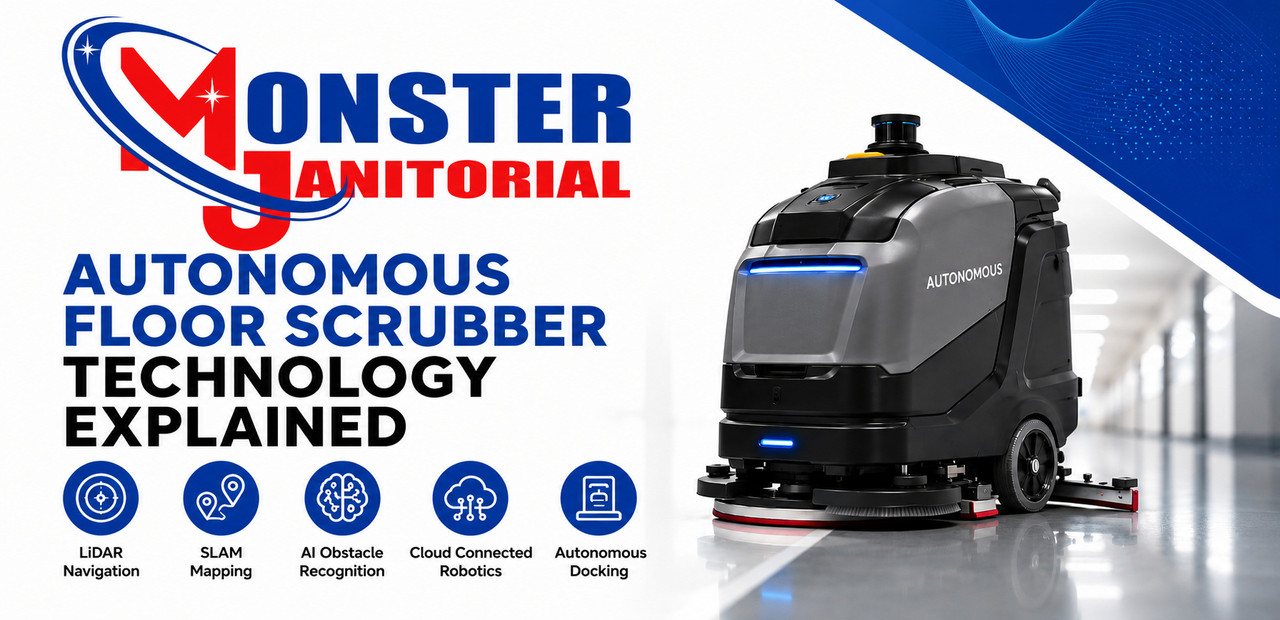
Understanding LiDAR, AI Navigation, SLAM Mapping & the Future of Commercial Cleaning Robotics
Autonomous floor scrubbers are changing how schools, healthcare facilities, airports, municipalities, commercial contractors, and large facilities approach daily floor cleaning.
Today’s robotic cleaning machines are no longer simple “automatic scrubbers.” Modern autonomous scrubbers can map buildings, avoid obstacles, dock automatically, monitor performance remotely, and use artificial intelligence to improve cleaning consistency.
This guide explains the major technologies behind commercial robotic floor scrubbers in simple, practical language for facility managers and cleaning professionals.
Why Robotic Floor Scrubbers Are Growing
- Labor shortages: Robots help reduce repetitive manual floor cleaning tasks.
- Consistent cleaning: Automated routes help standardize cleaning quality.
- Daytime cleaning: Robots can support cleaning in active facilities.
- Sustainability: Newer systems can reduce water, chemical, and labor waste.
- Large facilities: Airports, schools, hospitals, and municipalities often need repeatable large-area cleaning.
LiDAR, SLAM Mapping, Sensor Fusion & AI Obstacle Recognition Explained
Modern autonomous floor scrubbers use multiple advanced technologies together to safely navigate commercial facilities, avoid obstacles, and maintain reliable cleaning performance.
Instead of relying on a single sensor or fixed route, today’s robotic scrubbers combine mapping systems, AI vision, and real-time environmental awareness to operate more like autonomous vehicles than traditional cleaning machines.
LiDAR Navigation
Laser mapping and positioning
LiDAR sensors continuously scan the facility using laser technology to measure walls, obstacles, open space, and navigation paths.
- Creates detailed facility maps
- Improves route accuracy
- Supports autonomous navigation
- Helps robots safely operate in large buildings
Machine Examples:
SLAM Mapping
Builds live maps while navigating
SLAM (Simultaneous Localization and Mapping) allows the robot to understand where it is while continuously updating the map in real time.
- Adapts to moving obstacles
- Handles changing environments
- Updates facility maps dynamically
- Improves route flexibility
Machine Examples:
Sensor Fusion
Combines multiple navigation systems together
Modern robotic scrubbers combine data from multiple sensors simultaneously to improve navigation accuracy and operational safety.
- Cameras
- LiDAR sensors
- Ultrasonic sensors
- Depth sensors
- Bump sensors
- AI vision systems
Machine Examples:
AI Obstacle Recognition
Detects people, carts, pallets, cords, and temporary obstacles
AI-powered robotics platforms use computer vision and intelligent object recognition to improve obstacle avoidance and dynamic navigation.
- Improves safety in public spaces
- Supports daytime cleaning
- Adapts to changing environments
- Reduces manual intervention
Machine Examples:
How These Technologies Work Together
Scans Environment
Builds Live Map
Combines Sensor Data
Makes Navigation Decisions
Modern autonomous scrubbers combine all these technologies together to create safer, smarter, and more adaptive robotic cleaning systems capable of operating in real-world commercial environments.
Teach-and-Repeat Robotics vs AI-Adaptive Robotics
One of the biggest differences in modern autonomous floor scrubber technology is how the robot navigates and responds to changing environments.
Some robotic scrubbers use a teach-and-repeat approach, while newer AI-first systems use adaptive robotics with live environmental decision-making.
Teach-and-Repeat Robotics
Teach-and-repeat systems learn cleaning routes by having an operator manually guide the machine through the cleaning path during setup.
How It Works
Operator drives route → Robot records path → Robot repeats learned route during future cleanings
- Best for highly predictable environments
- Works well in structured buildings with fixed layouts
- Typically simpler deployment process
- Very effective for repetitive daily cleaning routes
- May require route adjustments if environments change significantly
Example Machines:
Best Fit: Warehouses, large retail stores, predictable hallways, repetitive nightly cleaning programs.
AI-Adaptive Robotics
AI-adaptive robotic scrubbers continuously analyze their surroundings and make real-time navigation decisions using LiDAR, AI cameras, sensor fusion, and live mapping systems.
How It Works
Robot scans environment → AI analyzes surroundings → Robot dynamically adjusts cleaning path in real time
- Adapts to changing environments automatically
- Can navigate around people, carts, chairs, and temporary obstacles
- Uses live environmental awareness
- Better suited for dynamic public environments
- Often paired with advanced fleet management and cloud robotics platforms
Example Machines:
Best Fit: Airports, hospitals, schools, convention centers, municipalities, and facilities with constant movement.
Practical Example: How These Systems Respond Differently
Teach-and-Repeat Scenario
A hallway is normally empty during nightly cleaning.
The robot follows the exact recorded route each night.
If furniture, pallets, carts, or obstacles appear unexpectedly, the route may need manual updating or operator assistance.
AI-Adaptive Scenario
The robot detects people, carts, temporary obstacles, or furniture changes in real time.
AI navigation systems dynamically reroute the machine while continuing the cleaning program safely and efficiently.
This creates a more flexible autonomous cleaning workflow in active facilities.
Why This Matters for Facility Managers
Understanding the difference between teach-and-repeat robotics and AI-adaptive robotics helps facilities choose the right automation strategy for their environment.
- Predictable environments may perform extremely well with structured teach-and-repeat automation.
- Dynamic public facilities often benefit from AI-adaptive robotics that can continuously respond to changing conditions.
- Cloud-connected AI robotics platforms are becoming increasingly important for enterprise-scale autonomous cleaning operations.
Modern platforms such as Gausium OMNIE AI, BrainOS, and newer enterprise robotics systems continue pushing commercial cleaning automation toward more intelligent, adaptive, and connected facility management.
Autonomous Docking Systems
Autonomous docking allows the robot to return to a charging station or workstation without operator assistance.
Depending on the system, docking may support:
- Automatic charging
- Task resume after charging
- Water refill
- Dirty water discharge
- Longer unattended operation
This is one of the biggest differences between a robot-assisted machine and a truly autonomous cleaning workflow.
Fleet Management Software
Fleet management software helps supervisors monitor robotic cleaning machines across one facility or multiple locations.
Fleet software may track:
- Machine status
- Battery level
- Cleaning progress
- Completed routes
- Alerts and errors
- Usage history
- Performance reporting
This is especially valuable for school districts, hospitals, airports, municipalities, and contractors managing multiple buildings.
Cloud-Connected Robotics
Cloud-connected robotic scrubbers allow data to be shared between the robot, facility managers, and support teams.
Cloud connectivity may support:
- Remote diagnostics
- Software updates
- Route management
- Cleaning reports
- Remote support
- Performance analytics
For facility managers, this can help reduce downtime and improve visibility into daily cleaning performance.
Major Autonomous Cleaning Platform Approaches
TASKI Robotic Scrubbers
Technology philosophy: Sustainability, workflow efficiency, and practical facility integration.
- Strong focus on water-saving and efficient cleaning workflows
- Compact and large robotic cleaning options
- Designed for schools, healthcare, public buildings, and commercial facilities
- Connected support and robotic deployment assistance
Karcher KIRA Robotics
Technology philosophy: Polished enterprise deployment and safety-focused automation.
- Strong safety systems
- Professional docking station options
- Enterprise-ready robotic platform
- Well suited for airports, healthcare, and large public-facing facilities
Tennant + BrainOS
Technology philosophy: Proven large-scale autonomous deployment.
- Mature BrainOS platform
- Strong installed base in commercial environments
- Good fit for retail, warehouses, and large repetitive cleaning routes
- Established autonomous cleaning workflow
Nilfisk Liberty Systems
Technology philosophy: Practical enterprise automation.
- Designed around familiar commercial cleaning workflows
- Good fit for contractors, municipalities, healthcare, and education
- Focuses on reliable, practical robotic operation
Gausium OMNIE & AI-First Robotics
Technology philosophy: Advanced AI perception and robotics-first architecture.
- Strong AI object recognition
- Advanced sensor fusion
- Adaptive navigation
- Cloud-connected robotic management
- Well suited for dynamic public spaces and high-traffic environments
Autonomous Robotic Scrubber Technology Comparison
| Technology Area | TASKI Robotics | Karcher KIRA | Tennant / BrainOS | Nilfisk Liberty | Gausium OMNIE |
|---|---|---|---|---|---|
| LiDAR Navigation | Yes | Yes | Yes | Yes | Advanced 3D LiDAR |
| AI Object Recognition | Moderate to Advanced | Advanced | Moderate | Moderate | Advanced AI Perception |
| Docking Capability | Yes | Yes | Yes | Yes | Advanced |
| Fleet Management | Connected Support | Enterprise Platform | BrainOS Fleet | Enterprise Support | Cloud Robotics Platform |
| Best Fit Environments | Schools, healthcare, commercial facilities | Airports, healthcare, enterprise facilities | Retail, warehouses, large repetitive routes | Contractors, municipalities, institutions | Dynamic public spaces and smart facilities |
| Deployment Style | Workflow efficiency and sustainability | Safety-focused enterprise deployment | Proven large-scale deployment | Practical enterprise automation | AI-first robotic architecture |
Understanding Robotics Platforms vs Equipment Brands
Many commercial robotic scrubbers are built using robotics platforms developed by specialized autonomous technology companies. For example, TASKI Ecobot robotic scrubbers use Gausium OMNIE AI robotics technology combined with TASKI cleaning systems, workflow integration, and service support.
This means some robotic cleaning machines may share similar navigation technologies while offering different cleaning designs, deployment approaches, and facility management ecosystems.
Which Robotic Scrubber Technology Is Best?
There is no single robotic scrubber platform that is best for every facility.
The right choice depends on:
- Facility size
- Floor type
- Traffic level
- Staffing needs
- Cleaning schedule
- Docking space
- Need for remote monitoring
- Budget and deployment goals
For example, a school may need a compact robot that can clean hallways and cafeterias. An airport may need a larger enterprise system with advanced docking and safety features. A contractor may prioritize reliable deployment across multiple customer sites.
The Future of Commercial Cleaning Robotics
The next generation of autonomous cleaning machines will likely include:
- More advanced AI obstacle recognition
- Better human interaction awareness
- Predictive maintenance
- Multi-robot coordination
- Improved cloud reporting
- Smarter route optimization
- More fully autonomous docking stations
The industry is moving from simple robotic route automation toward intelligent, adaptive facility cleaning systems.
Featured Robotic Cleaning Platform
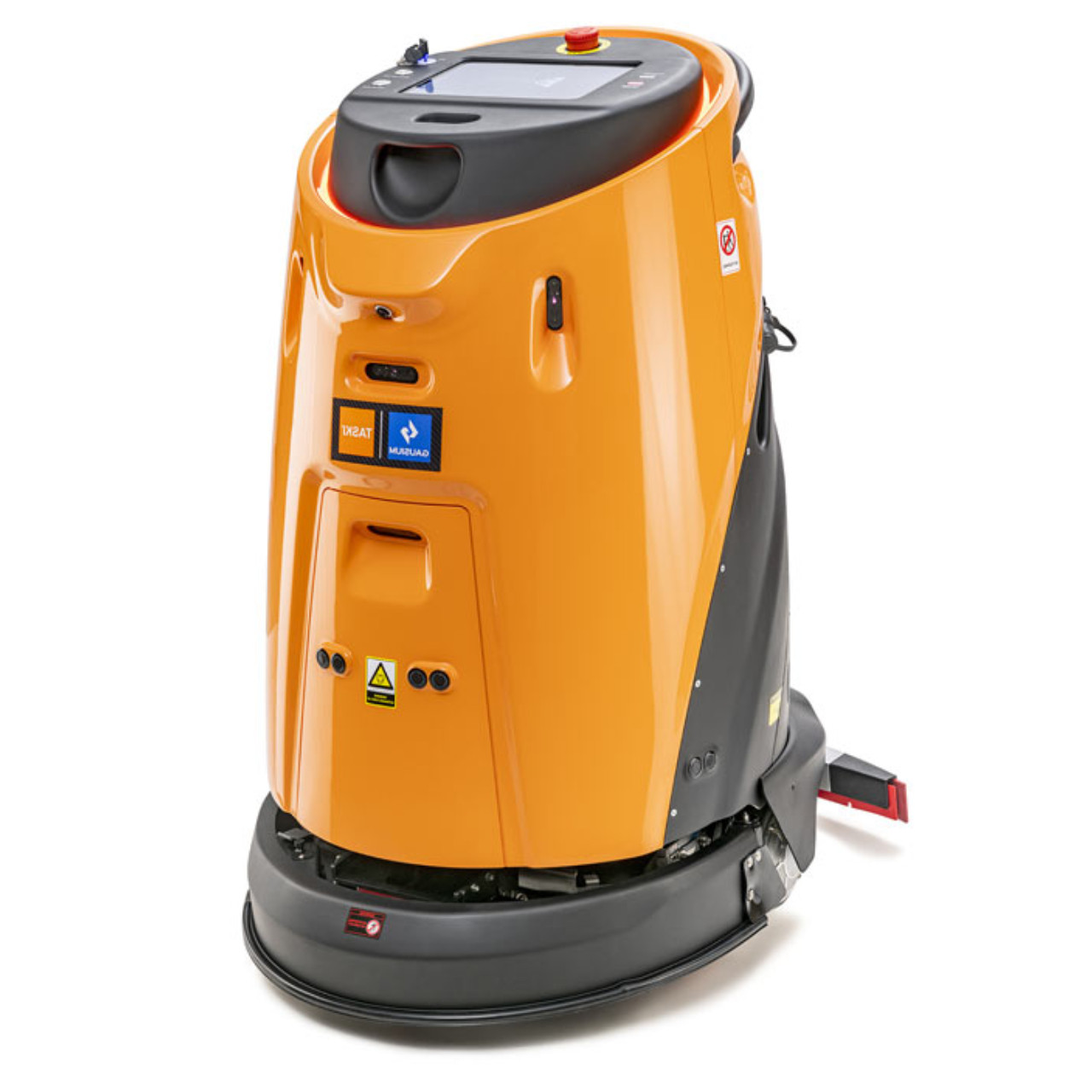
TASKI Ecobot 50 Pro
The TASKI Ecobot 50 Pro is a premium autonomous floor scrubber powered by OMNIE AI and 3D LiDAR navigation, designed for facilities that need adaptive robotic cleaning in active, high-traffic environments.
- Best for: healthcare, schools, airports, retail, and public facilities
- Navigation: OMNIE AI + 3D LiDAR sensor fusion
- Cleaning path: 18"
- Use case: AI-adaptive robotic scrubber drier for hard floor cleaning
Compare Robotic Cleaning Equipment
Use the quick comparison below to match robotic cleaning equipment to your facility needs.
TASKI Ecobot 50 Pro
Best for: Dynamic public environments
AI-adaptive autonomous floor scrubber with OMNIE AI and 3D LiDAR navigation.
View TASKI Ecobot 50 Pro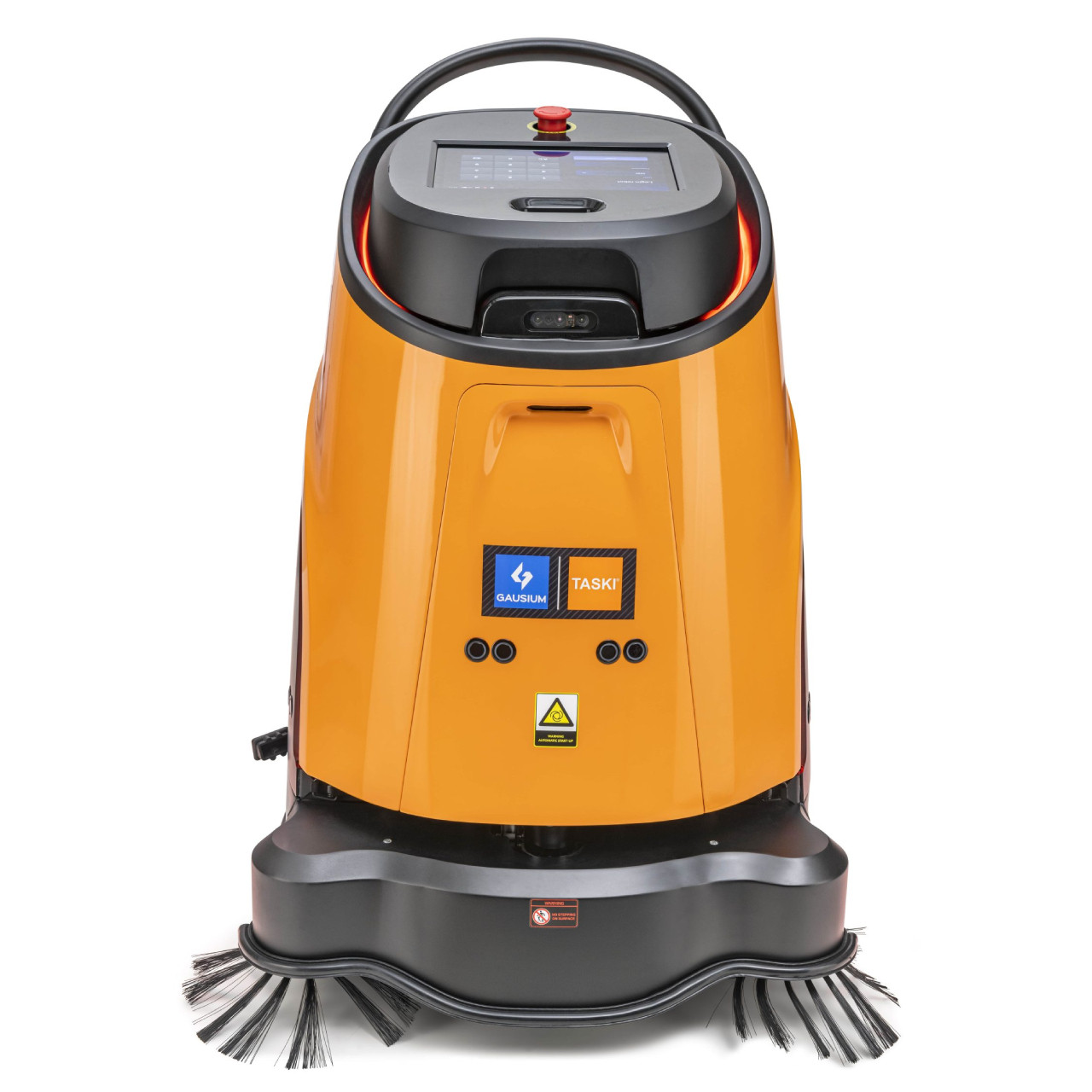
TASKI Ecobot 40
Best for: Autonomous sweeping and debris pickup
Robotic sweeper vacuum system with HEPA H13 filtration.
View TASKI Ecobot 40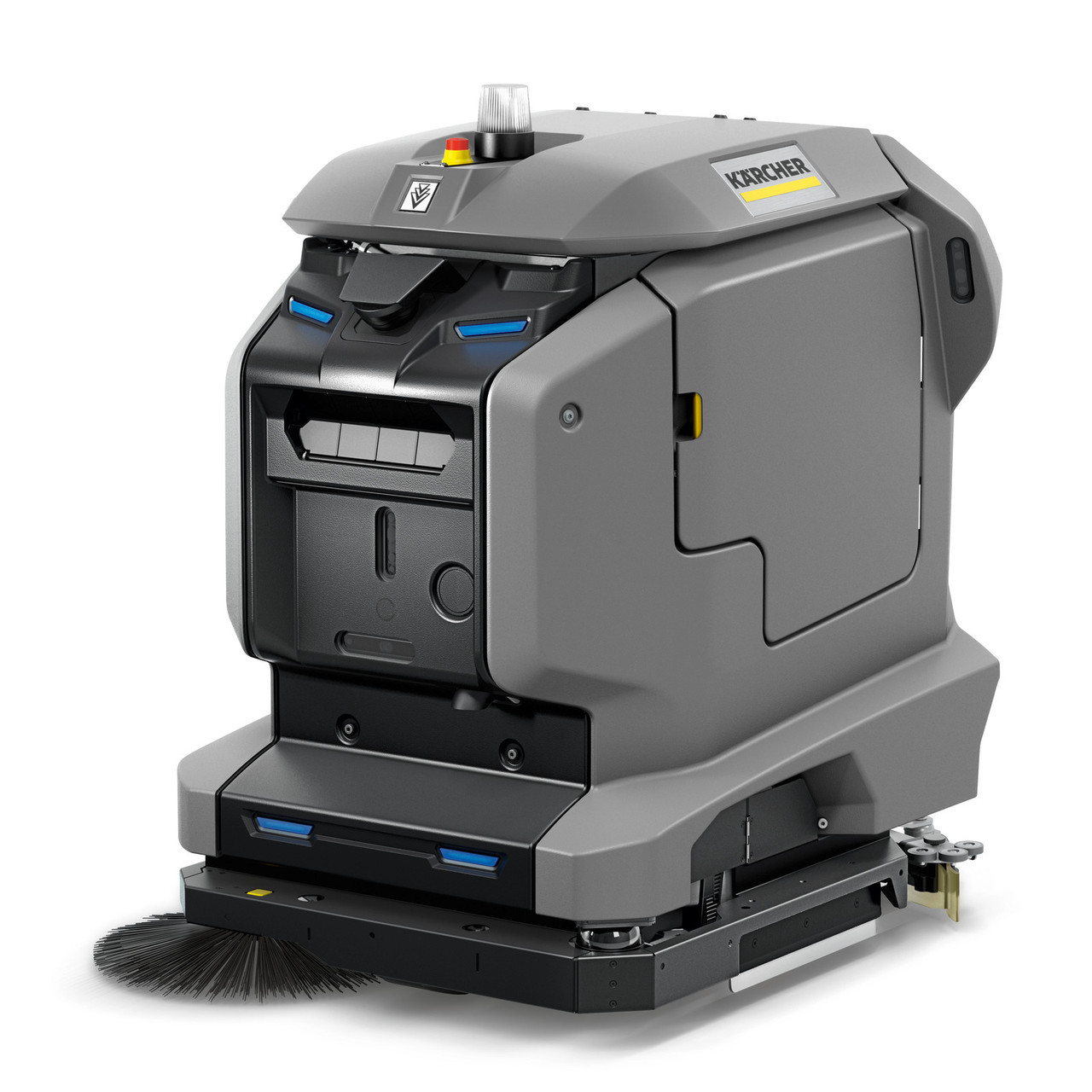
Karcher KIRA B 50
Best for: Structured repeatable routes
22" autonomous robotic floor scrubber for predictable enterprise cleaning.
View Karcher KIRA B 50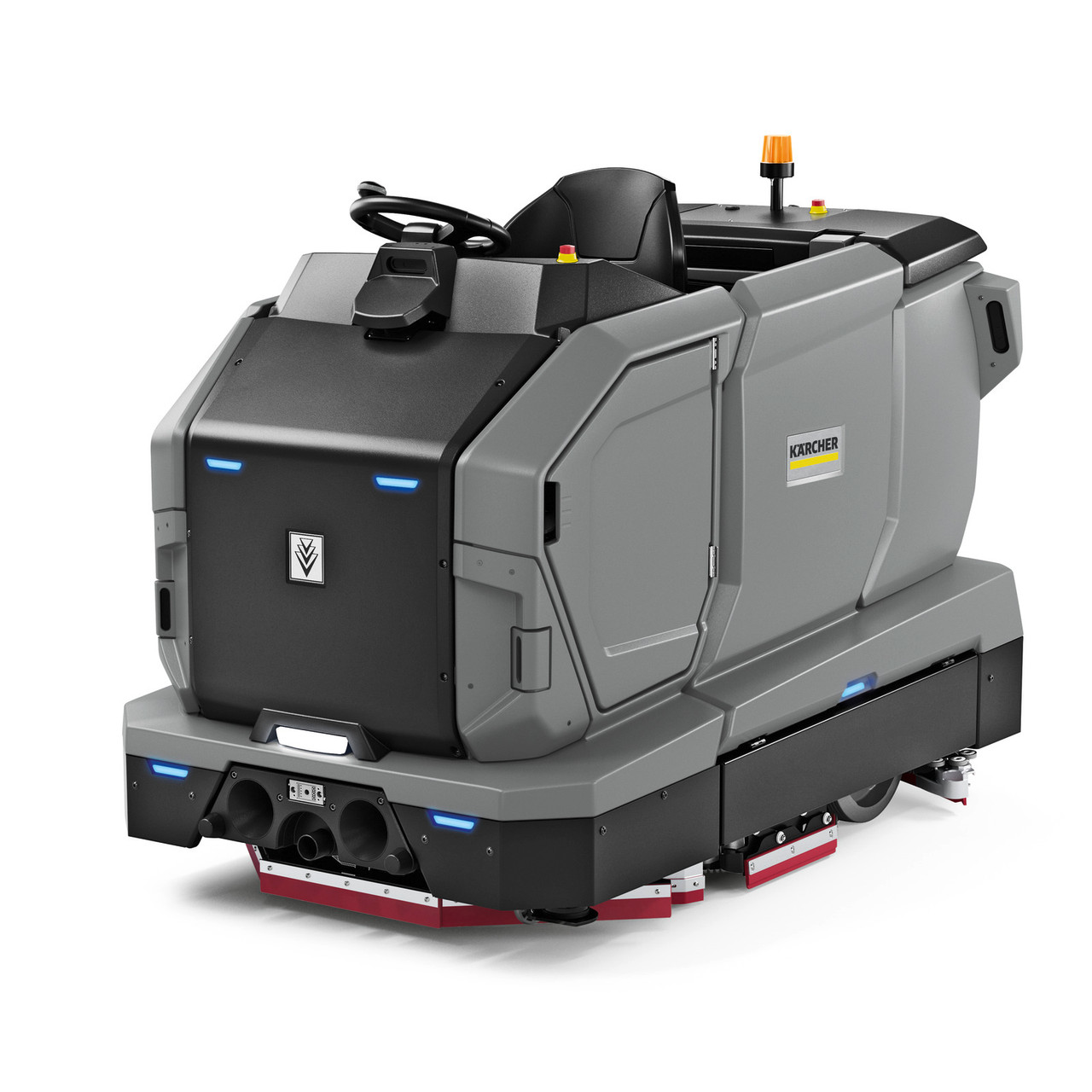
Karcher KIRA BD 200
Best for: Large enterprise facilities
33.5" autonomous floor scrubber with docking station options.
View Karcher KIRA BD 200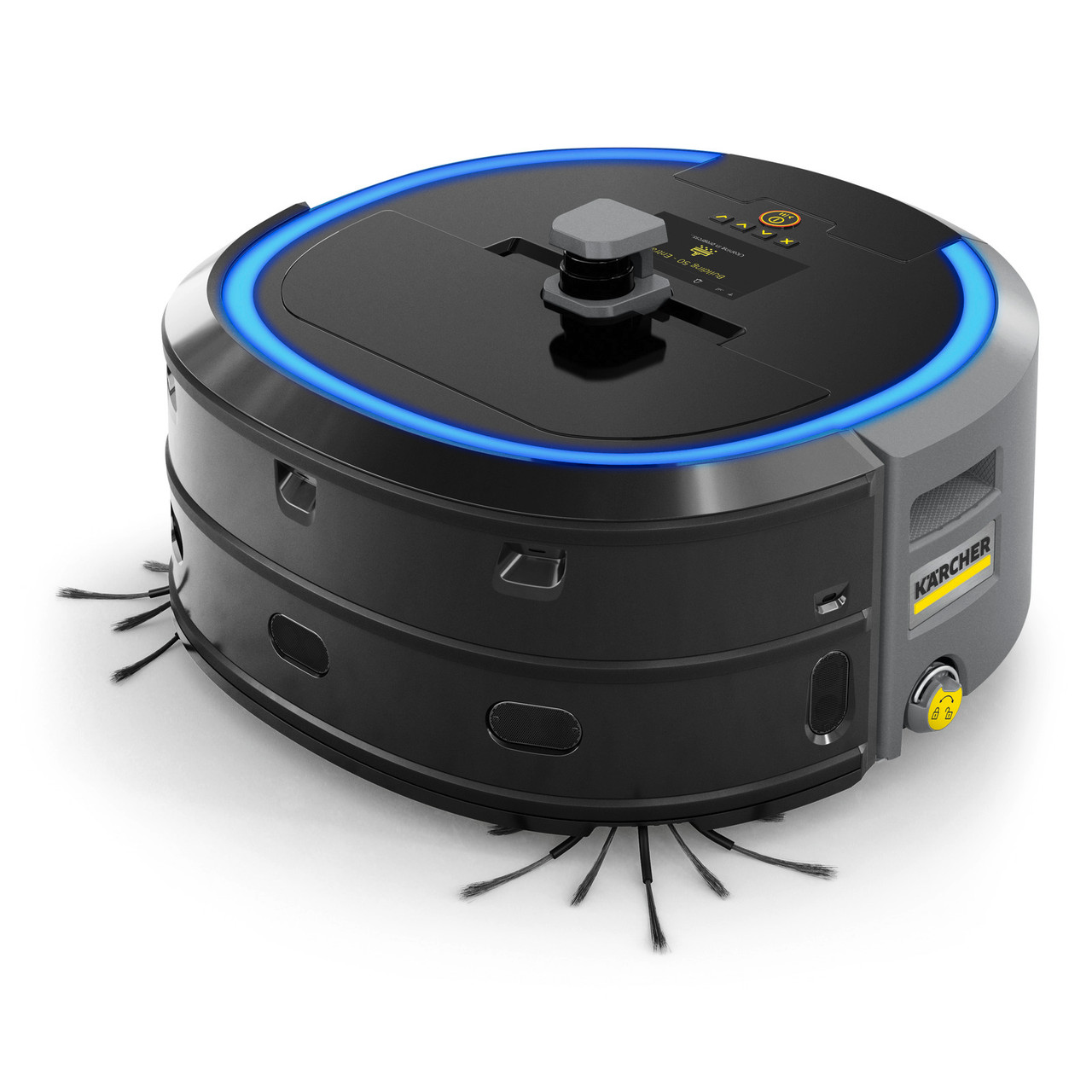
Karcher KIRA CV Vacuums
Best for: Autonomous vacuuming
Commercial robotic vacuum systems for carpet and hard floor vacuuming.
View Karcher KIRA CV 50Need Help Comparing Robotic Cleaning Equipment?
Monster Janitorial can help compare autonomous scrubbers, robotic vacuums, docking stations, navigation systems, brushes, pads, batteries, and facility deployment needs.
Email sales@monsterjanitorial.com or call 956-772-4842.
Final Thoughts
Autonomous floor scrubbers are becoming a serious operational tool for schools, healthcare systems, airports, municipalities, universities, contractors, and large commercial facilities.
The key is understanding that different robotic platforms use different technology philosophies. Some focus on safety and stability. Others focus on AI adaptability, sustainability, fleet management, or full workflow automation.
By understanding LiDAR, SLAM mapping, AI obstacle recognition, docking systems, and cloud-connected robotics, facility managers can make better long-term decisions when evaluating autonomous cleaning machines.