
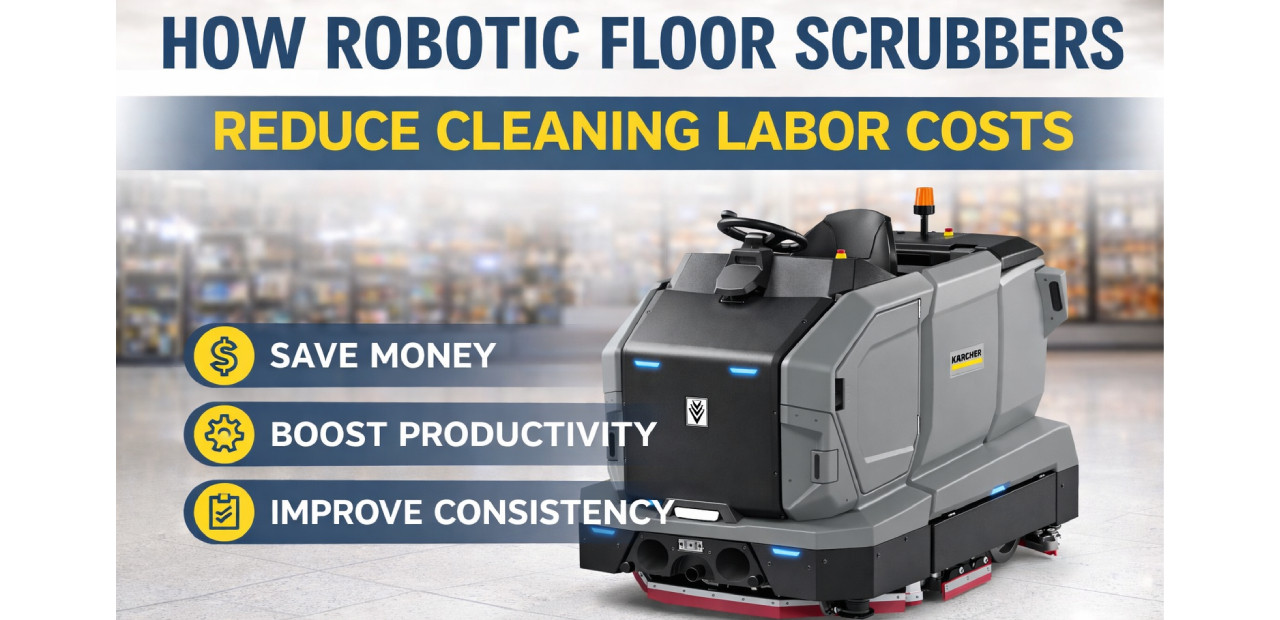
Labor is one of the biggest expenses in commercial cleaning. For schools, warehouses, healthcare facilities, retail stores, airports, and municipal buildings, floor care can consume a large share of the janitorial budget. Staffing shortages, wage increases, and high turnover have made it even more difficult to keep floors clean consistently without increasing labor costs.
That is why more facilities are turning to robotic floor scrubbers. Autonomous machines like the Kärcher KIRA series help reduce manual cleaning time, improve consistency, and allow staff to focus on higher-value tasks that still require human attention.
Quick Answer: Robotic floor scrubbers reduce labor costs by automating repetitive floor cleaning routes, improving cleaning consistency, reducing rework, and allowing janitorial staff to focus on detail work, restrooms, trash removal, touchpoints, and other tasks that still require human attention.
If your facility is comparing automation to traditional equipment, this guide explains how Kärcher robotic scrubbers can reduce cleaning labor costs and where they fit alongside conventional scrubbers.
Shop Robotic Floor Scrubbers or compare them with Walk-Behind Floor Scrubbers.
What Is a Robotic Floor Scrubber?
A robotic floor scrubber is an autonomous cleaning machine designed to scrub floors with limited operator involvement. These machines use sensors, mapping, route planning, and safety systems to clean pre-defined areas while avoiding obstacles and operating consistently across large floor spaces.
Instead of assigning one employee to manually scrub floors for an entire shift, facilities can use an autonomous scrubber to handle routine floor cleaning while staff focus on restrooms, detail work, entryways, touchpoints, spills, or other labor-intensive tasks.
Autonomous Cleaning
Handles repeatable floor cleaning routes with less hands-on operator time.
Consistent Routes
Follows planned cleaning patterns to reduce skipped areas and inconsistent results.
Labor Support
Helps staff spend less time walking behind a scrubber and more time on detail work.
How Robotic Floor Scrubbers Reduce Labor Costs
Reduce Time Spent on Repetitive Floor Cleaning
Traditional floor scrubbing requires a dedicated operator for the full cleaning cycle. In large facilities, that may mean several labor hours each day just for open floor areas.
Robotic scrubbers reduce that burden by automating routine passes in predictable spaces such as hallways, cafeterias, gym corridors, retail aisles, warehouse lanes, and lobbies. Staff can launch the machine, monitor progress, and return to other tasks while the machine handles the repetitive work.
Improve Cleaning Consistency
Manual scrubbing quality can vary depending on the operator, fatigue level, pace, and time available. Robotic machines help standardize cleaning results by following repeatable routes and maintaining consistent cleaning patterns.
This can reduce rework and help facilities maintain cleaner floors with fewer labor hours.
Let Employees Focus on Higher-Value Tasks
Most facilities still need human labor for edges, corners, restroom sanitation, spot cleaning, trash removal, and disinfecting touchpoints. A robotic floor scrubber helps your team spend less time walking behind a machine and more time on tasks that directly improve cleanliness, safety, and presentation.
Clean During Off-Hours or Low-Traffic Periods
Robotic scrubbers can often be scheduled for early morning, evening, or other lower-traffic cleaning windows. This helps reduce interruptions during business hours and can improve labor deployment across multiple shifts or departments.
Estimated ROI: How Much Can You Save Per Year?
One of the biggest advantages of robotic floor scrubbers is labor savings. While exact savings vary by building size, cleaning frequency, wage rates, and staffing structure, many facilities can justify robotic automation based on labor reduction alone.
Example Labor Cost Scenario
Labor Cost
$15–$20/hr
Manual Scrubbing Time
3 hrs/day
Cleaning Schedule
5 days/week
Annual Weeks
52 weeks
Estimated Annual Manual Labor Cost
Potential Savings: If a robotic floor scrubber reduces direct operator time by 50% to 80%, estimated annual savings may be about $6,000 to $12,000+ per machine.
Larger facilities with multiple cleaning zones may save $15,000 to $40,000+ annually depending on staffing, cleaning frequency, labor rates, and machine utilization.
Typical Payback Period
Many facilities evaluate robotic scrubbers with an expected payback period of about 12 to 24 months, depending on labor rates, square footage, and how often the machine is used. After that, the labor savings continue year after year.
Want a custom ROI estimate for your facility? Email sales@monsterjanitorial.com with your square footage and cleaning schedule, and our team can help estimate potential savings.
Featured Kärcher Robotic Floor Scrubbers
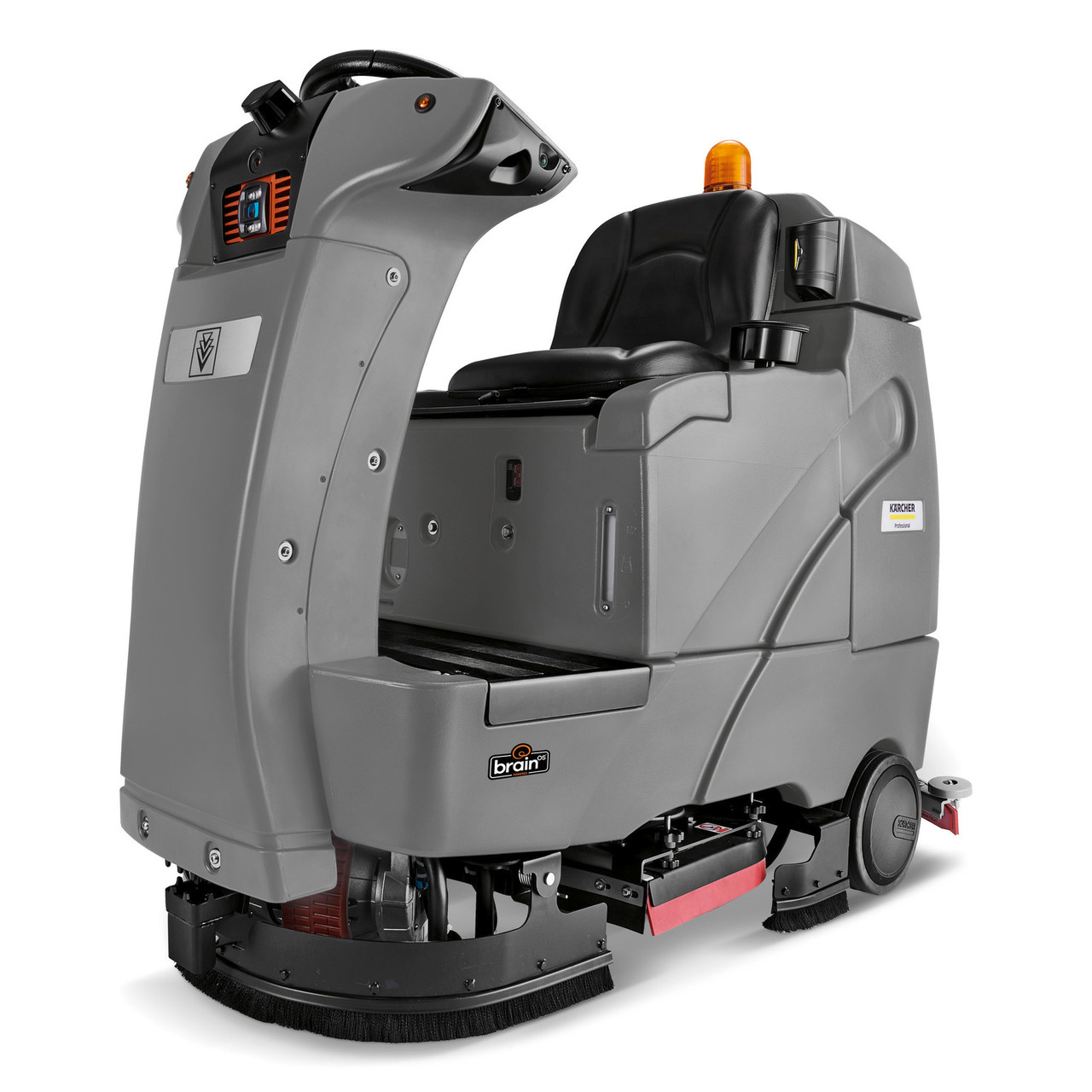
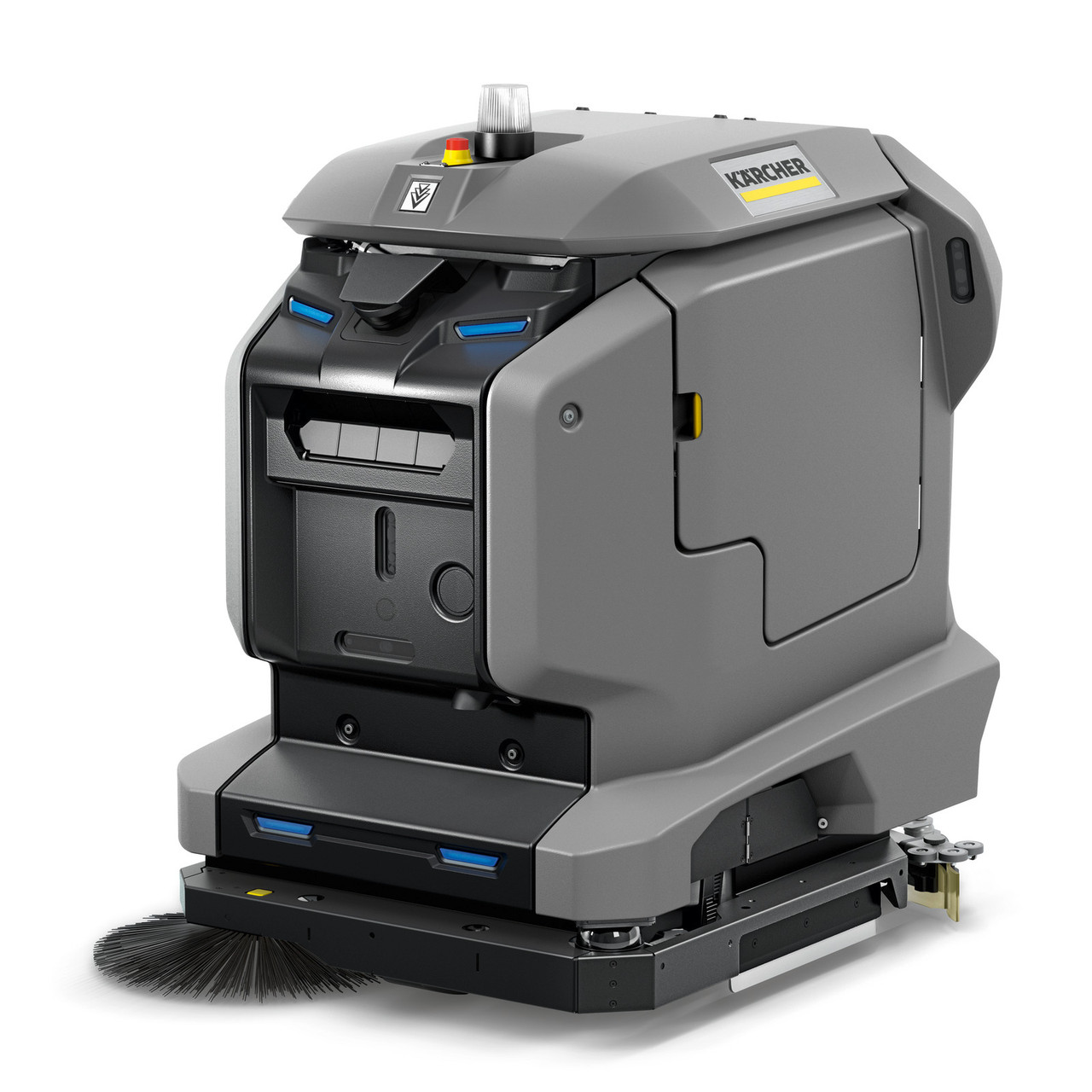
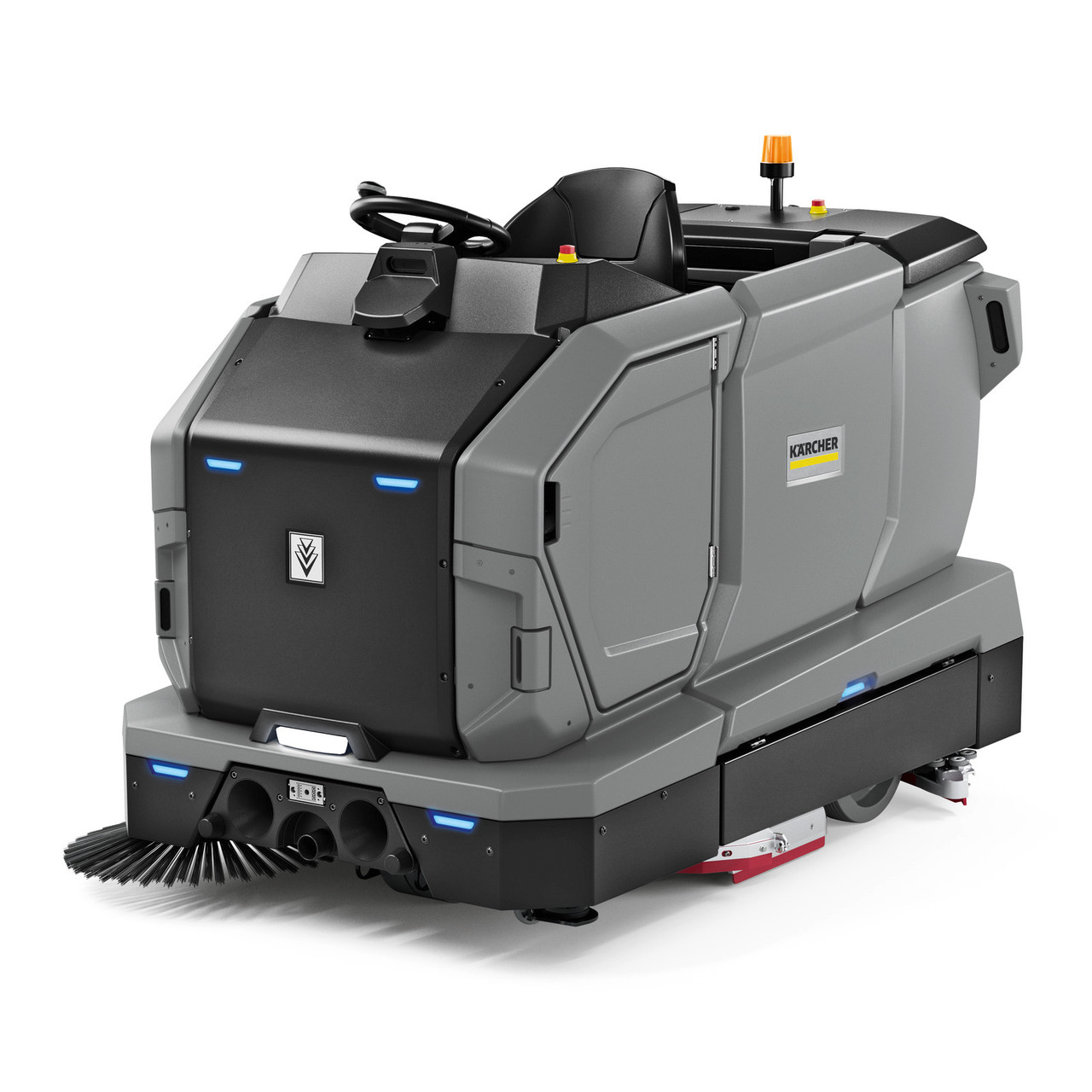
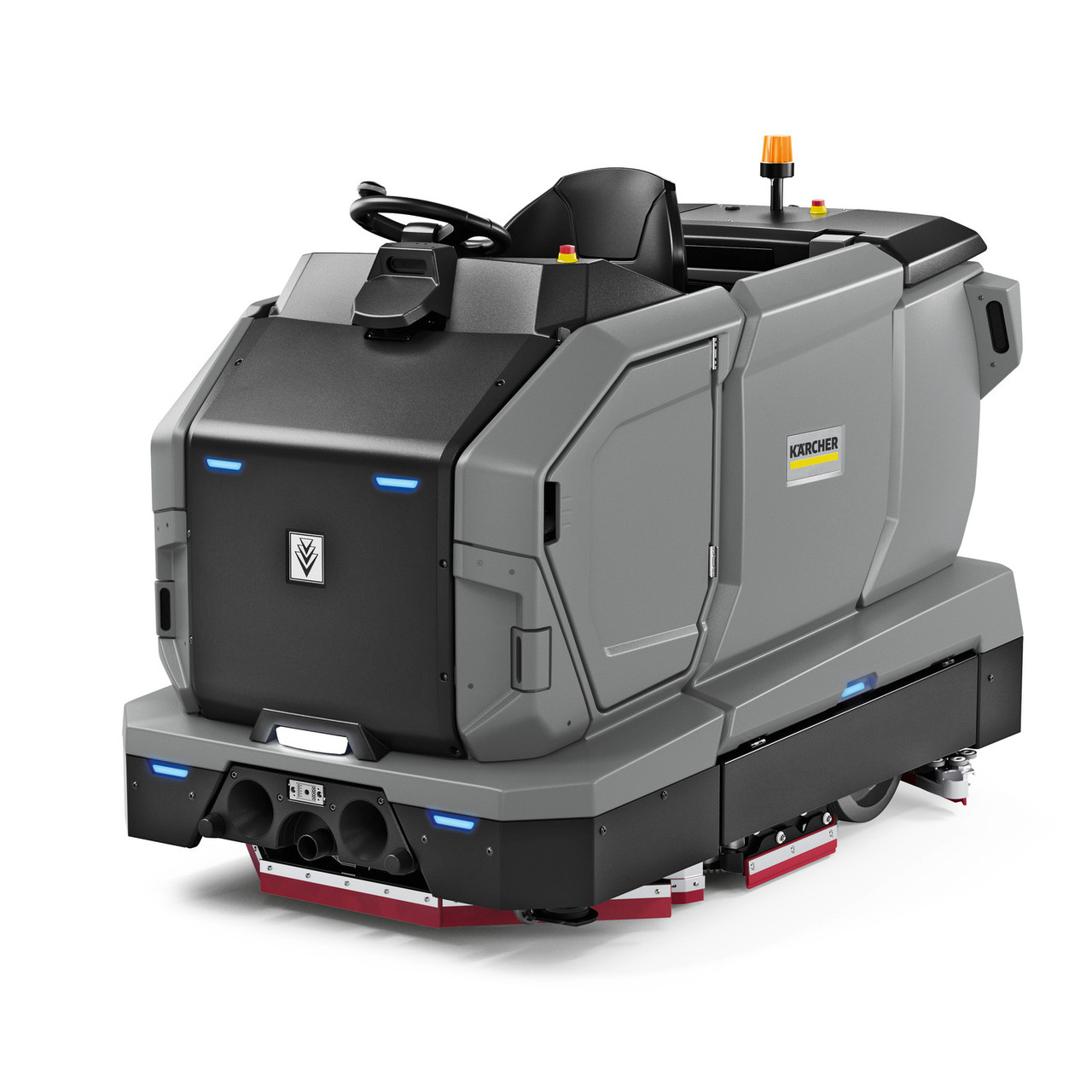
Below are several autonomous Kärcher robotic floor scrubber models designed to help reduce labor costs, improve consistency, and automate routine floor cleaning in schools, warehouses, retail stores, healthcare facilities, and other commercial buildings.
Recommended Robotic Scrubbers
Kärcher KIRA Robotic Scrubbers for Labor Savings
Compare autonomous robotic scrubbers designed to reduce repetitive manual cleaning, improve consistency, and support long-term labor savings.
Why Choose a Kärcher Robotic Floor Scrubber?
Kärcher is one of the most recognized names in commercial floor care, and their robotic scrubbers are designed for facilities that need dependable performance, strong support, and proven cleaning technology.
Strong Commercial Reputation
Kärcher has extensive experience in commercial and industrial floor care equipment.
Multiple Configurations
Disc, roller, and cylindrical cleaning options help match the machine to floor type and debris conditions.
Large-Area Cleaning
Designed for repeatable cleaning routes in schools, warehouses, retail, airports, and public buildings.
Better Labor Allocation
Helps staff focus on detailed cleaning while the robot handles open-area floor care.
Robotic Scrubber vs Walk-Behind Scrubber
Who Should Consider a Robotic Floor Scrubber?
A robotic floor scrubber may be a strong fit if your facility:
- Cleans large areas on a daily schedule
- Has difficulty staffing floor care shifts
- Needs more consistent results across multiple operators
- Wants to reduce labor costs over time
- Has open floor space suitable for repeatable autonomous cleaning routes
Facilities with narrow, irregular, or highly cluttered spaces may still benefit from robotic cleaning, but a manual machine may remain the better primary option in some areas.
Final Thoughts
Robotic floor scrubbers are not just about automation for the sake of technology. They are practical tools for reducing labor demands, improving cleaning consistency, and helping facilities operate more efficiently. For many schools, warehouses, healthcare buildings, retail environments, and public facilities, the right autonomous scrubber can become a valuable part of a long-term labor savings strategy.
If you are comparing the Kärcher KIRA B 50, Kärcher KIRA BD 200, Kärcher KIRA BR 200, or Kärcher KIRA B100 R, Monster Janitorial can help you evaluate the right robotic floor cleaning machine for your building type, floor surface, and staffing needs.
Explore More Floor Scrubber Options
Why Choose Monster Janitorial?
- Authorized Kärcher distributor
- Expert help selecting the right commercial floor scrubber
- Fast order processing
- 30-Day Returns
- Volume discounts available for larger projects
- Email sales@monsterjanitorial.com for quotes and ROI help