
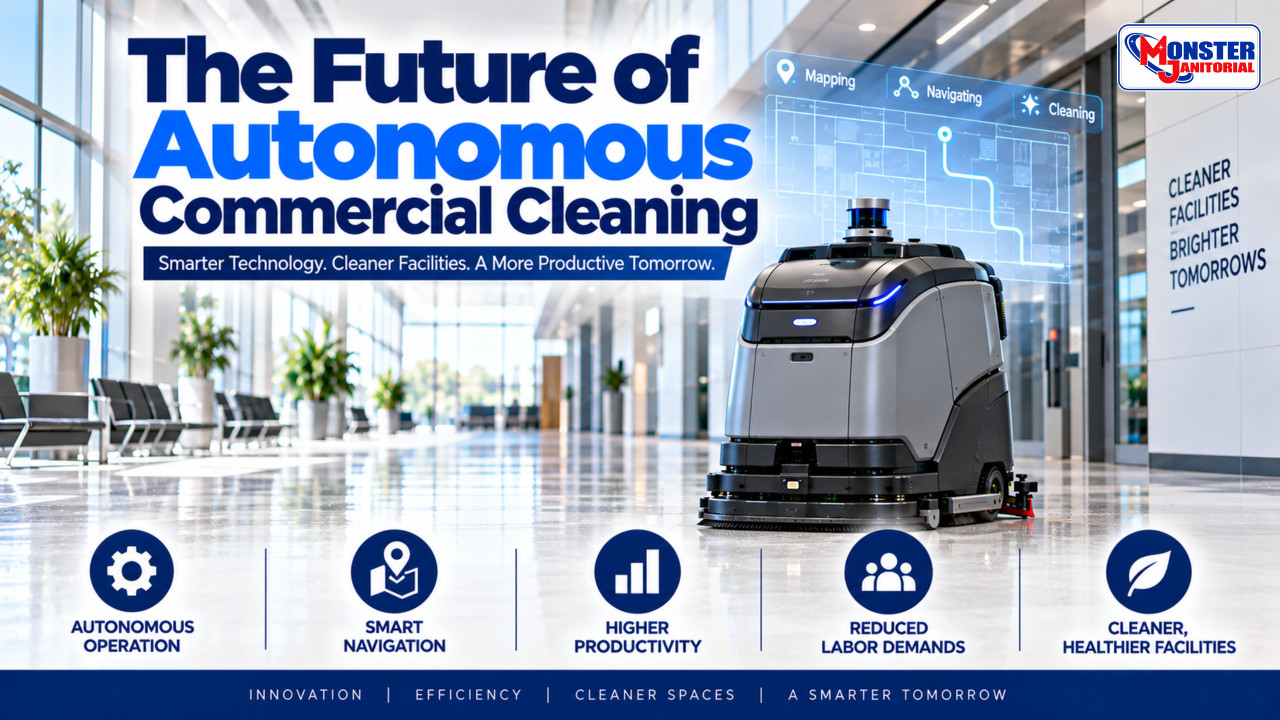
The Future of Commercial Cleaning Robotics
Commercial cleaning robotics is moving beyond basic autonomous floor cleaning toward connected systems that combine AI navigation, cloud analytics, fleet management, predictive maintenance, and facility automation.
These emerging technologies could change how schools, healthcare facilities, airports, warehouses, municipalities, and large commercial buildings plan and manage cleaning operations.
What Is Changing in Commercial Cleaning Robotics?
The biggest shift is from standalone autonomous machines toward connected cleaning platforms that may use AI, cloud software, fleet dashboards, predictive maintenance, adaptive navigation, smart-building data, and automated docking to make cleaning operations more coordinated and data-driven.
Technologies Driving the Next Generation of Cleaning Robots
Artificial Intelligence
More advanced decision-making, navigation, and workflow optimization.
Cloud Robotics
Remote monitoring, reporting, fleet control, and connected operations.
Predictive Maintenance
Using operational data to identify possible maintenance needs before failure.
Fleet Analytics
Centralized visibility into route completion, utilization, alerts, and machine activity.
Sensor Fusion
Combining multiple sensor types for more detailed environmental awareness.
Adaptive Navigation
More flexible route response in changing commercial environments.
From Autonomous Machines to Intelligent Facility Systems
Newer robotic platforms are increasingly adding connectivity, analytics, AI-assisted navigation, and facility-level automation to traditional autonomous cleaning.
Earlier Robotics
- Fixed autonomous routes
- Basic obstacle avoidance
- Standalone operation
- Limited analytics
- More manual oversight
Future Robotics Platforms
- AI-assisted decision making
- Cloud-connected fleets
- Predictive maintenance
- Adaptive workflows
- Facility-wide automation integration
AI-Driven Cleaning Workflows
One possible direction for future commercial robotics is cleaning that responds more directly to changing facility conditions rather than only following a fixed schedule.
Future Systems May Analyze
- Foot-traffic patterns
- Facility occupancy
- Cleaning frequency requirements
- Time-of-day changes
- Environmental conditions
- High-priority sanitation zones
For example, busier airport corridors could receive more frequent cleaning, school hallways could be prioritized around heavy traffic periods, or healthcare routes could be adjusted around facility access and cleaning protocols.
Predictive Maintenance Could Become More Important
Connected robotics platforms may increasingly use operational data to identify wear patterns or possible maintenance issues before they cause downtime.
Robot collects operating data.
Software analyzes performance trends.
Potential wear or risk is identified.
Facility teams receive an alert.
Cloud-Connected Robotics Fleets
Centralized fleet platforms may become increasingly important as organizations deploy multiple robots across one building, a campus, or several locations.
Track whether assigned routes are complete.
Monitor where machines are operating.
View charge and operating status.
Surface service or machine warnings.
Connected Facility Automation
Smart Building Integration
Robotics platforms may integrate more closely with facility-management and building systems.
Occupancy-Aware Cleaning
Cleaning schedules may eventually respond to traffic and occupancy data.
Autonomous Docking
Docking systems may continue expanding charging, refill, drain, and route-resumption functions.
Multi-Robot Coordination
Fleet software may coordinate several machines across larger buildings or campuses.
AI Navigation Will Continue Improving
Future commercial cleaning robots may become better at understanding and responding to complex real-world environments.
Different Manufacturers Are Approaching the Future Differently
These are broad areas of emphasis, not fixed rules for every machine or future product.
| Platform | General Future Emphasis |
|---|---|
| Karcher KIRA | Enterprise automation and structured operational deployment |
| TASKI Ecobot | Workflow efficiency, sustainability, and facility integration |
| Tennant + BrainOS | Large-scale fleet analytics and enterprise robotics infrastructure |
| Nilfisk Liberty | Practical autonomous cleaning and scalable deployment |
| Gausium OMNIE | AI-first architecture and adaptive autonomous navigation |
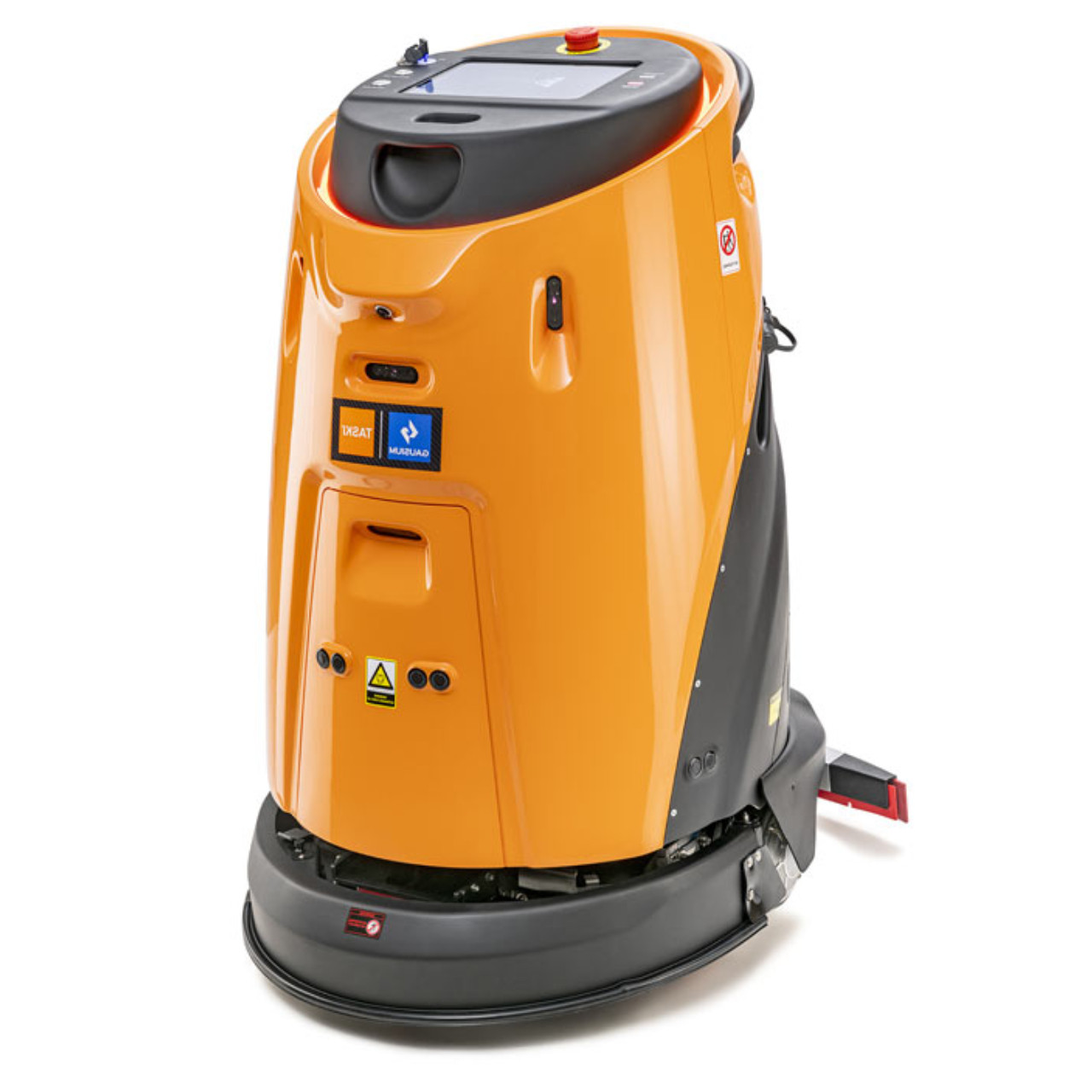
TASKI Ecobot 50 Pro
The TASKI Ecobot 50 Pro is an autonomous floor scrubber using OMNIE AI and 3D LiDAR navigation for commercial hard-floor cleaning.
- Navigation: OMNIE AI + 3D LiDAR
- Cleaning path: 18 in.
- Machine type: Autonomous scrubber dryer
- Potential applications: healthcare, schools, airports, retail, and public facilities
Robotic Cleaning Equipment
Compare autonomous scrubbers, sweepers, and vacuums for different facility needs.
TASKI Ecobot 50 Pro
AI-assisted autonomous scrubber with OMNIE AI and 3D LiDAR navigation.
View Ecobot 50 Pro →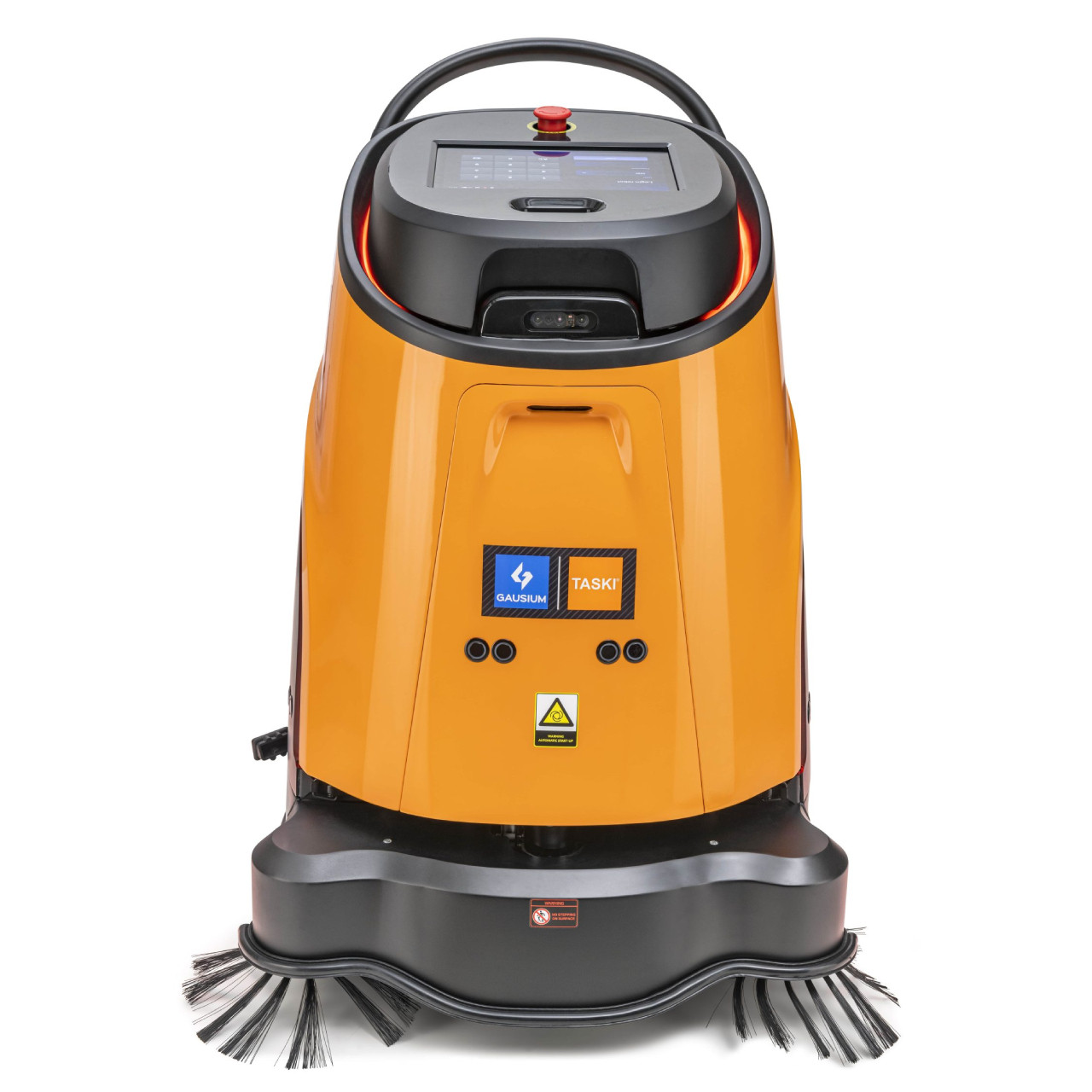
TASKI Ecobot 40
Robotic sweeping and vacuum platform with HEPA H13 filtration.
View Ecobot 40 →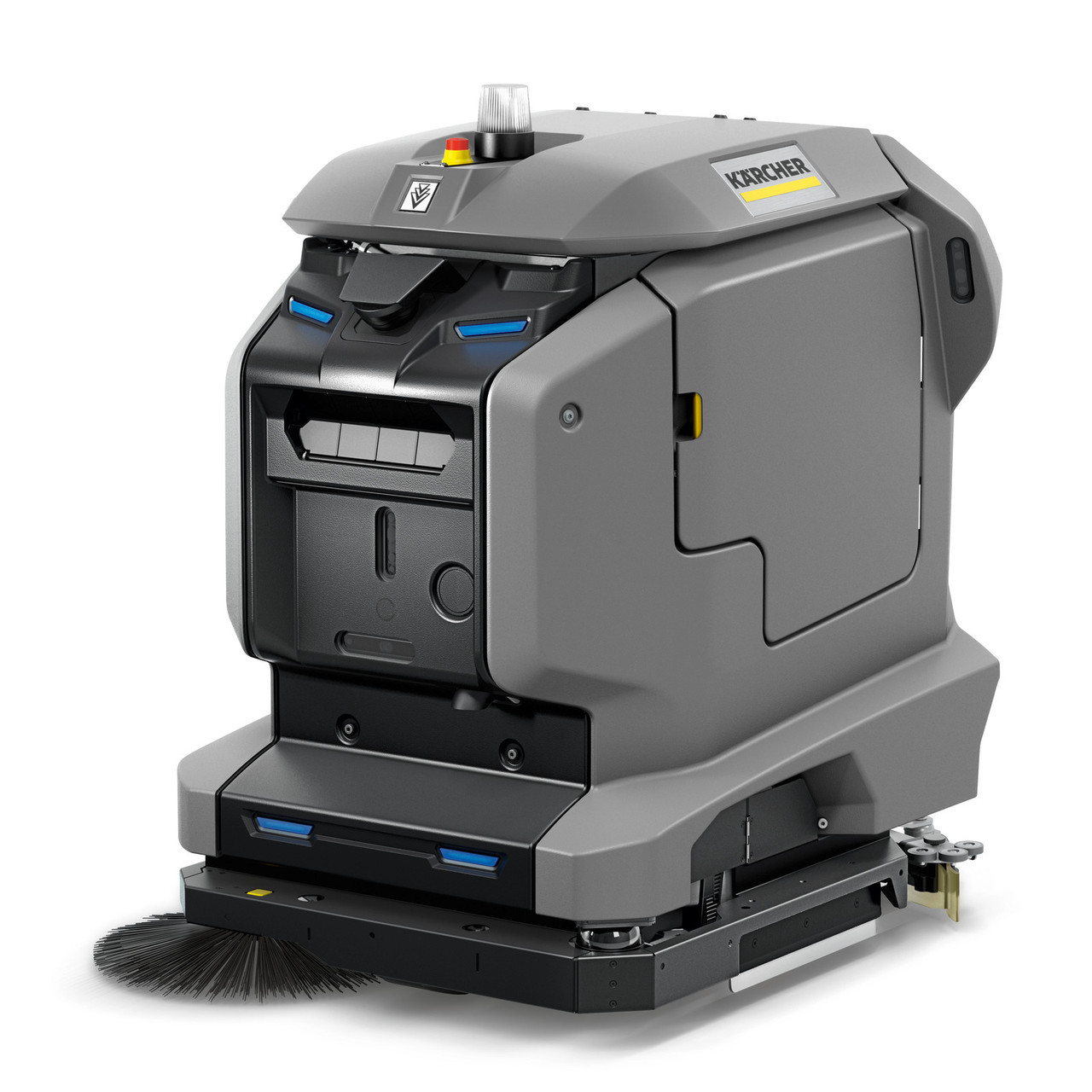
Karcher KIRA B 50
22 in. autonomous robotic floor scrubber for repeatable commercial cleaning routes.
View KIRA B 50 →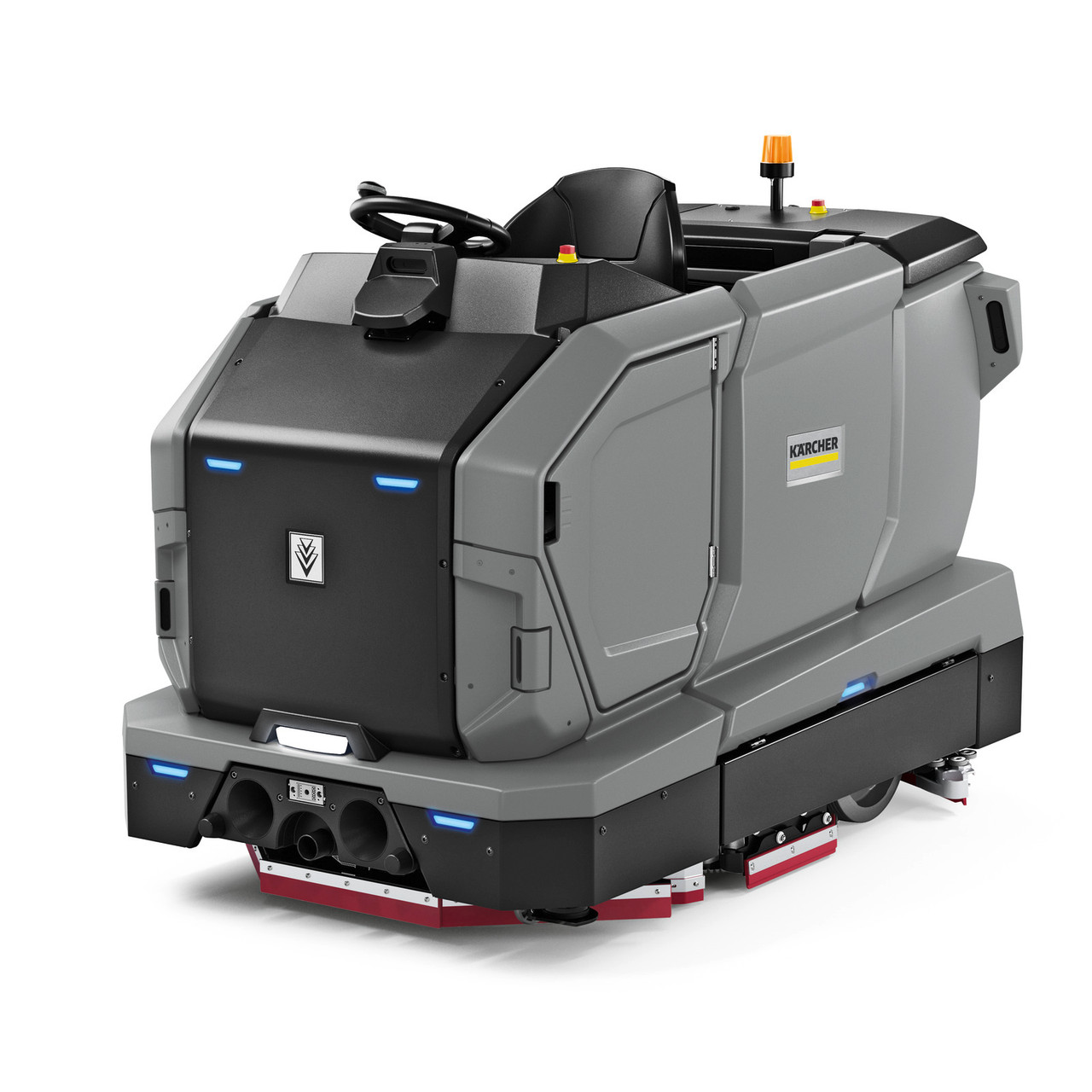
Karcher KIRA BD 200
33.5 in. autonomous floor scrubber designed for larger commercial facilities, with docking options.
View KIRA BD 200 →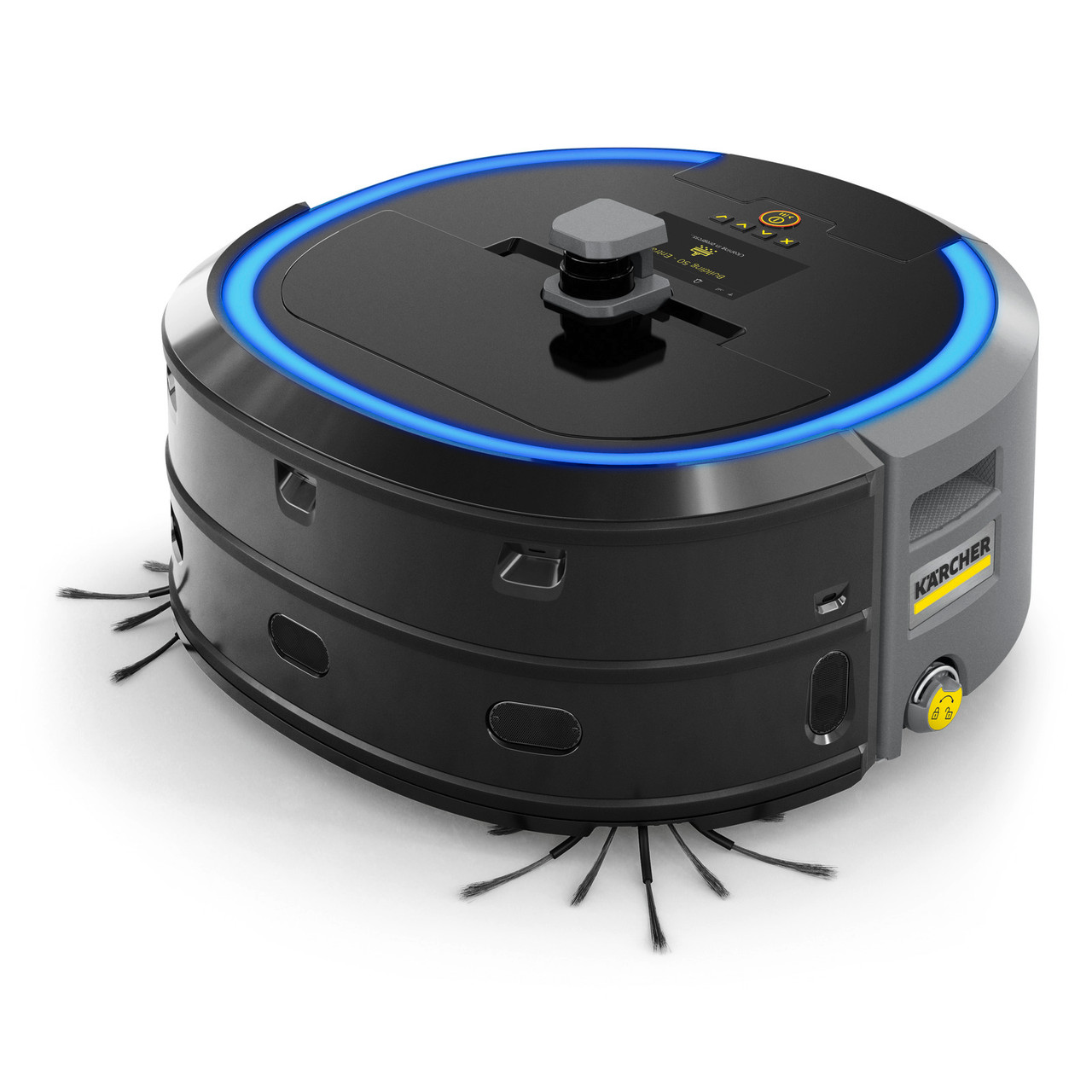
Karcher KIRA CV 50
Commercial robotic vacuum system for autonomous carpet and hard-floor vacuuming.
View KIRA CV 50 →The Future Is About More Than Autonomous Floor Cleaning
Commercial cleaning robotics is increasingly moving toward connected systems that combine machine operation with data, analytics, navigation, service information, and facility workflows.
Future adoption will likely depend on whether these technologies can provide practical value through better route completion, lower downtime, improved fleet visibility, and more efficient use of cleaning staff and equipment.
Learn More About Robotic Cleaning
Explore robotic cleaning guides covering navigation, fleet management, docking, deployment, autonomous scrubbers, robotic vacuums, and commercial cleaning automation.
Explore MJ University →Need Help Comparing Robotic Cleaning Equipment?
Monster Janitorial can help compare autonomous scrubbers, robotic vacuums, docking systems, navigation technology, batteries, brushes, pads, and facility deployment needs.