

As autonomous floor scrubbers become more common in schools, hospitals, airports, warehouses, and public facilities, many organizations are beginning to manage not just one robot — but entire robotic cleaning fleets.
That is where commercial robotics fleet management software becomes critically important.
Modern fleet management platforms allow facility teams to monitor, schedule, analyze, and coordinate multiple autonomous cleaning machines from a centralized dashboard.
Instead of treating robotic scrubbers like standalone machines, fleet software transforms them into connected operational systems.
Connected Robotics Technology
Commercial Robotics Fleet Management Software Explained
As autonomous floor scrubbers become more common in schools, hospitals, airports, warehouses, and public facilities, many organizations are beginning to manage not just one robot — but entire robotic cleaning fleets.
Centralized Monitoring
Monitor robot status, battery levels, cleaning routes, and operational alerts remotely from one dashboard.
Multi-Robot Coordination
Coordinate multiple autonomous cleaning machines across large facilities and campuses.
Cloud Connectivity
Access robotic cleaning data, schedules, and analytics from virtually anywhere.
That is where commercial robotics fleet management software becomes critically important.
Modern fleet management platforms allow facility teams to monitor, schedule, analyze, and coordinate multiple autonomous cleaning machines from a centralized dashboard.
Instead of treating robotic scrubbers like standalone machines, fleet software transforms them into connected operational systems.
What Is Robotics Fleet Management Software?
Fleet management software is the cloud-connected control platform behind many commercial cleaning robots.
It allows facility managers and supervisors to remotely manage robotic cleaning operations across one building — or multiple facilities.
In many ways, fleet management software acts as the “operations center” for commercial cleaning robotics.
Why Fleet Management Matters
Without centralized fleet software, managing multiple autonomous robots can quickly become difficult.
Facility teams need visibility into:
- Which robots are currently cleaning
- Battery status
- Docking status
- Cleaning completion reports
- Maintenance alerts
- Robot downtime
- Traffic or navigation interruptions
Fleet management platforms help facilities improve:
- Cleaning consistency
- Labor efficiency
- Robot uptime
- Operational visibility
- Preventative maintenance planning
- Multi-site robotics deployment
How Robotics Fleet Software Works
Fleet Management Workflow
Robots upload cleaning and navigation data
Cloud software analyzes operational performance
Managers review dashboards and alerts remotely
Routes, schedules, and cleaning tasks are optimized
Common Features in Robotics Fleet Platforms
Remote Monitoring
View robot location, cleaning progress, battery status, and operational alerts remotely from a cloud dashboard.
Route Scheduling
Schedule robots to clean during specific shifts, overnight hours, or low-traffic periods.
Cleaning Analytics
Track cleaned square footage, route completion rates, cleaning frequency, and productivity performance.
Maintenance Alerts
Receive notifications for battery health, brush wear, recovery tank issues, and required service intervals.
Multi-Robot Coordination
Manage multiple autonomous scrubbers across large campuses, airports, hospitals, or warehouse facilities.
Cloud Connectivity
Access robotics systems remotely from tablets, desktops, or mobile devices through cloud-connected software platforms.
Different Robotics Fleet Management Approaches
Not all robotic cleaning platforms approach fleet management the same way.
Different manufacturers prioritize different deployment philosophies.
| Platform | Fleet Management Focus | Deployment Style |
|---|---|---|
| Karcher KIRA | Enterprise safety-focused robotics coordination | Structured enterprise deployment |
| Tennant + BrainOS | Large-scale robotics analytics and operational visibility | High-volume commercial robotics fleets |
| TASKI Ecobot | Facility workflow optimization and AI robotics integration | Smart facility automation |
| Nilfisk Liberty | Operational simplicity and enterprise usability | Practical large-facility automation |
| Gausium OMNIE | AI-first cloud robotics and adaptive fleet intelligence | Dynamic AI robotics environments |
Why Fleet Software Is Becoming More Important
As facilities deploy larger robotics programs, fleet software becomes increasingly critical.
The industry is rapidly shifting from:
Single-machine robotics
to:
Connected robotics ecosystems
Future commercial cleaning robotics platforms will likely rely heavily on:
- Cloud-connected operations
- AI scheduling optimization
- Predictive maintenance
- Autonomous fleet coordination
- Centralized analytics dashboards
- Remote facility management
Best Fit Environments for Fleet Robotics
Schools & Universities
Coordinate cleaning across classrooms, gyms, hallways, and multiple buildings.
Healthcare Facilities
Monitor cleaning consistency and operational performance across sensitive environments.
Airports & Transit Hubs
Manage multiple robots operating across large public facilities simultaneously.
Commercial Contractors
Track robotics performance across multiple customer locations remotely.
Featured Robotic Cleaning Platform
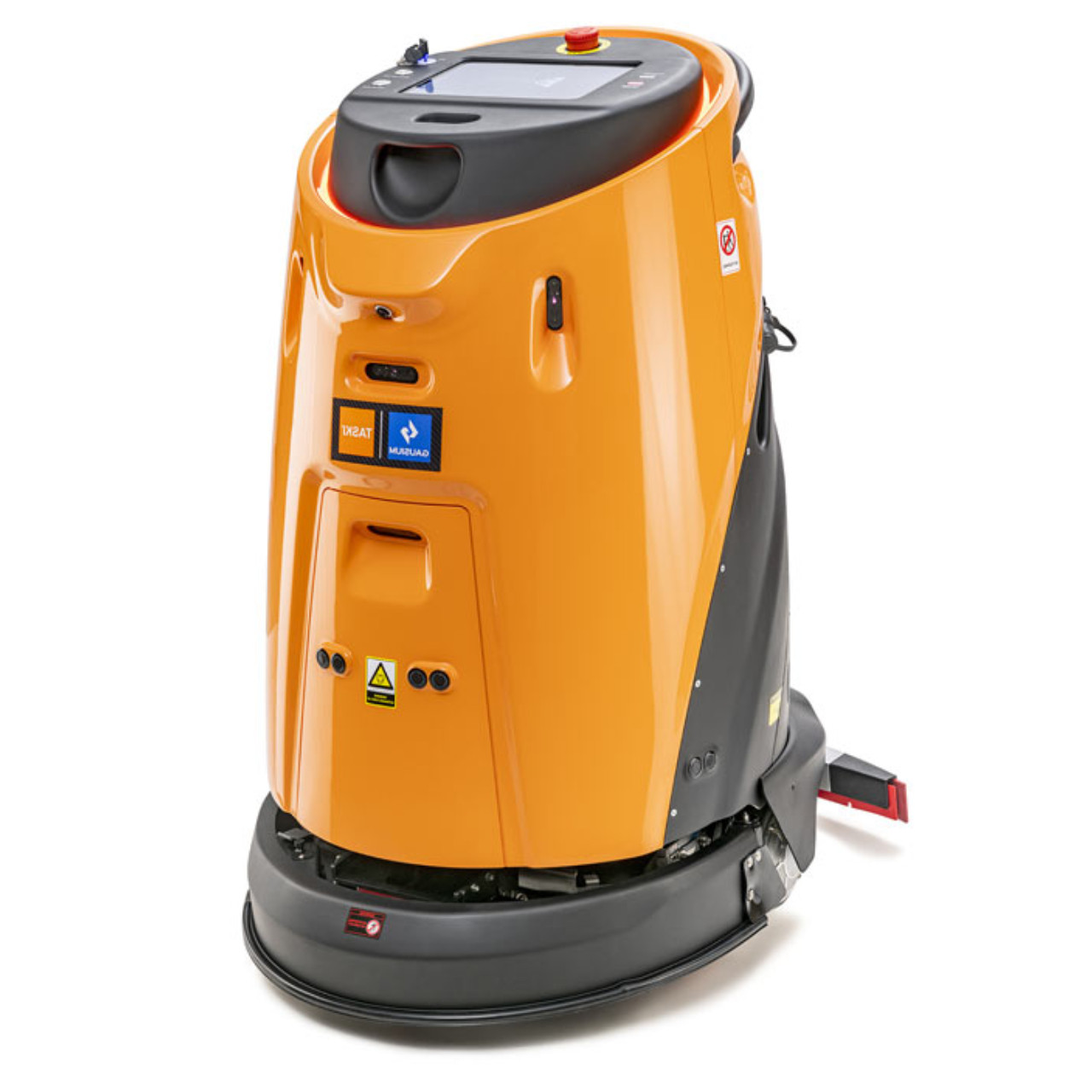
TASKI Ecobot 50 Pro
The TASKI Ecobot 50 Pro is a premium autonomous floor scrubber powered by OMNIE AI and 3D LiDAR navigation, designed for facilities that need adaptive robotic cleaning in active, high-traffic environments.
- Best for: healthcare, schools, airports, retail, and public facilities
- Navigation: OMNIE AI + 3D LiDAR sensor fusion
- Cleaning path: 18"
- Use case: AI-adaptive robotic scrubber drier for hard floor cleaning
Compare Robotic Cleaning Equipment
Use the quick comparison below to match robotic cleaning equipment to your facility needs.
TASKI Ecobot 50 Pro
Best for: Dynamic public environments
AI-adaptive autonomous floor scrubber with OMNIE AI and 3D LiDAR navigation.
View TASKI Ecobot 50 Pro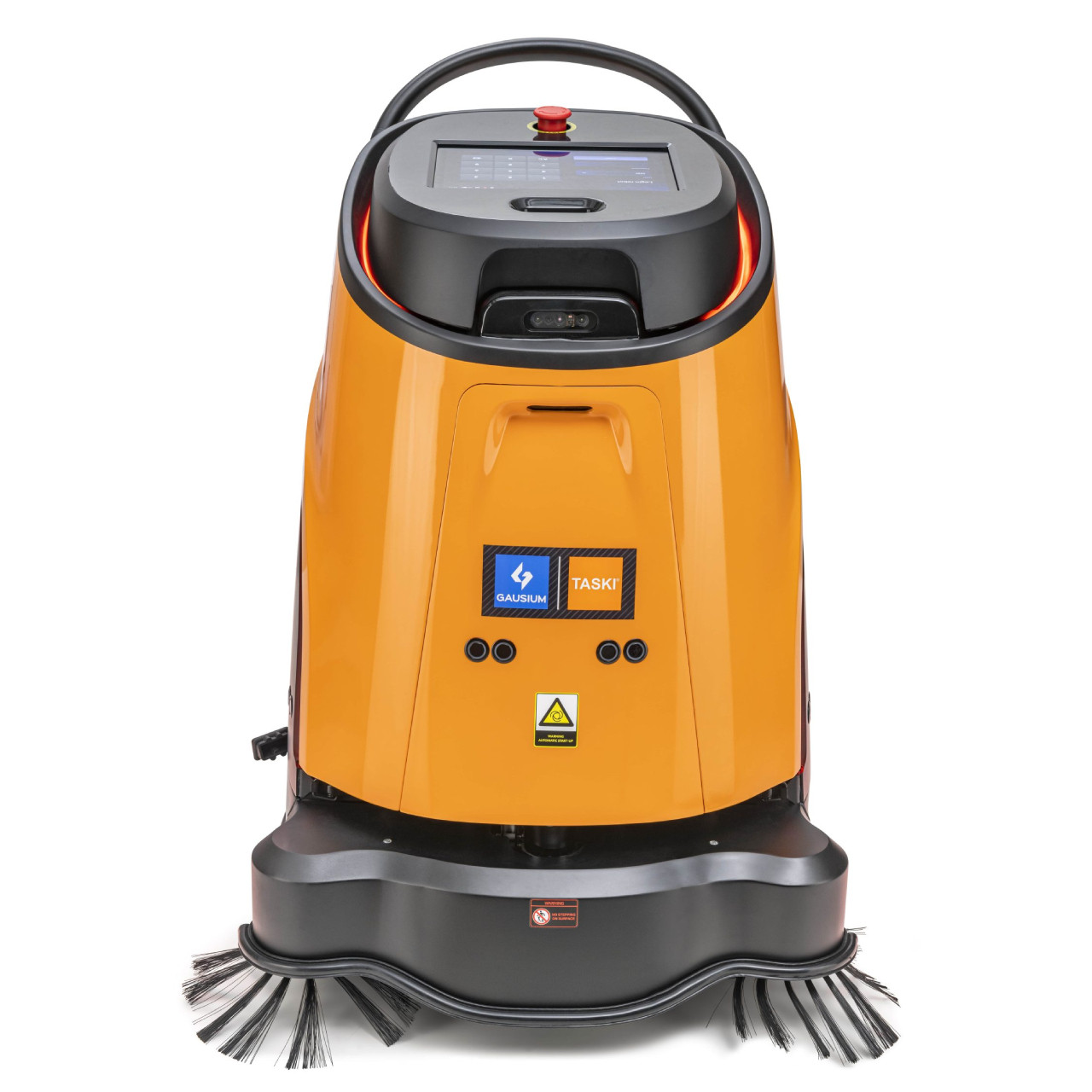
TASKI Ecobot 40
Best for: Autonomous sweeping and debris pickup
Robotic sweeper vacuum system with HEPA H13 filtration.
View TASKI Ecobot 40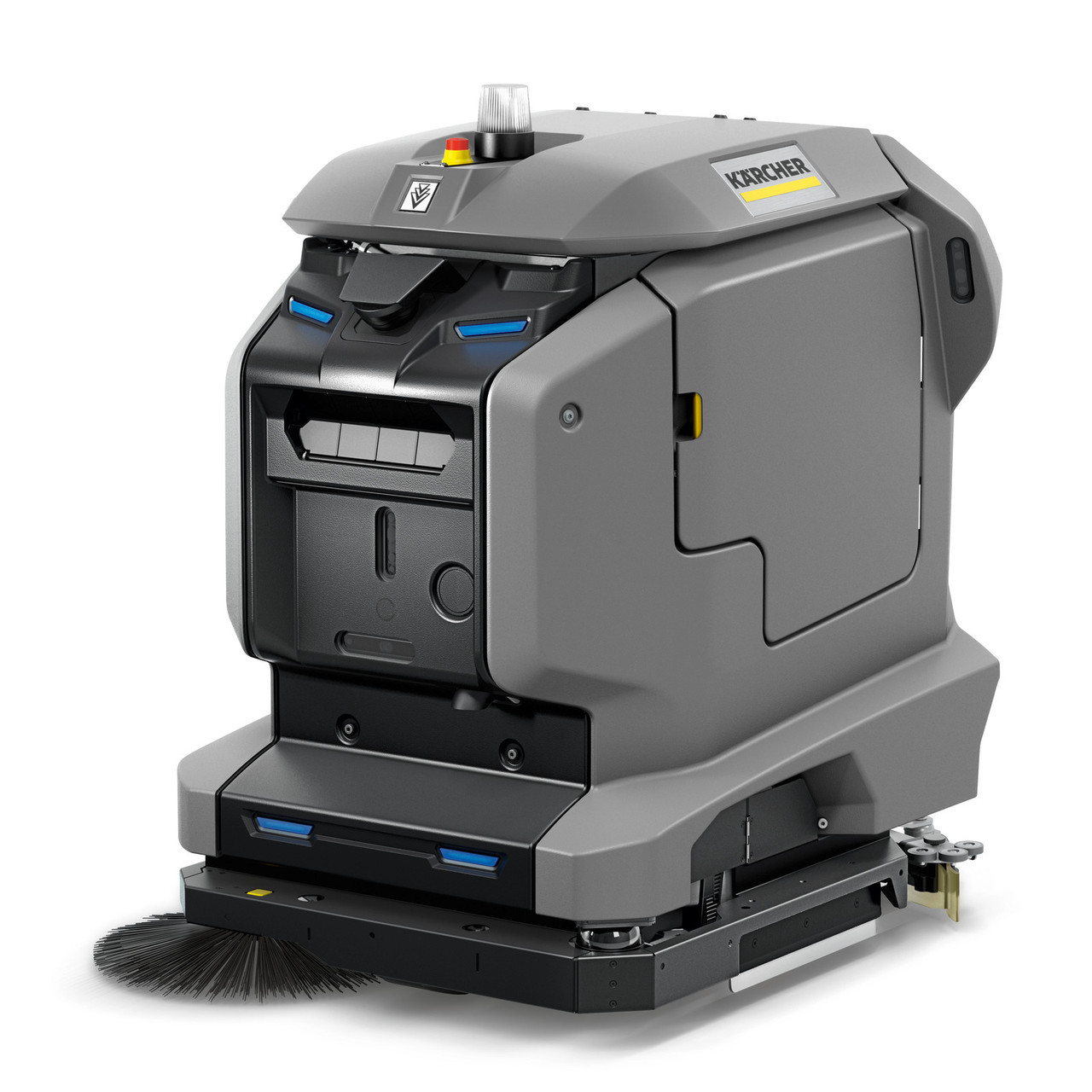
Karcher KIRA B 50
Best for: Structured repeatable routes
22" autonomous robotic floor scrubber for predictable enterprise cleaning.
View Karcher KIRA B 50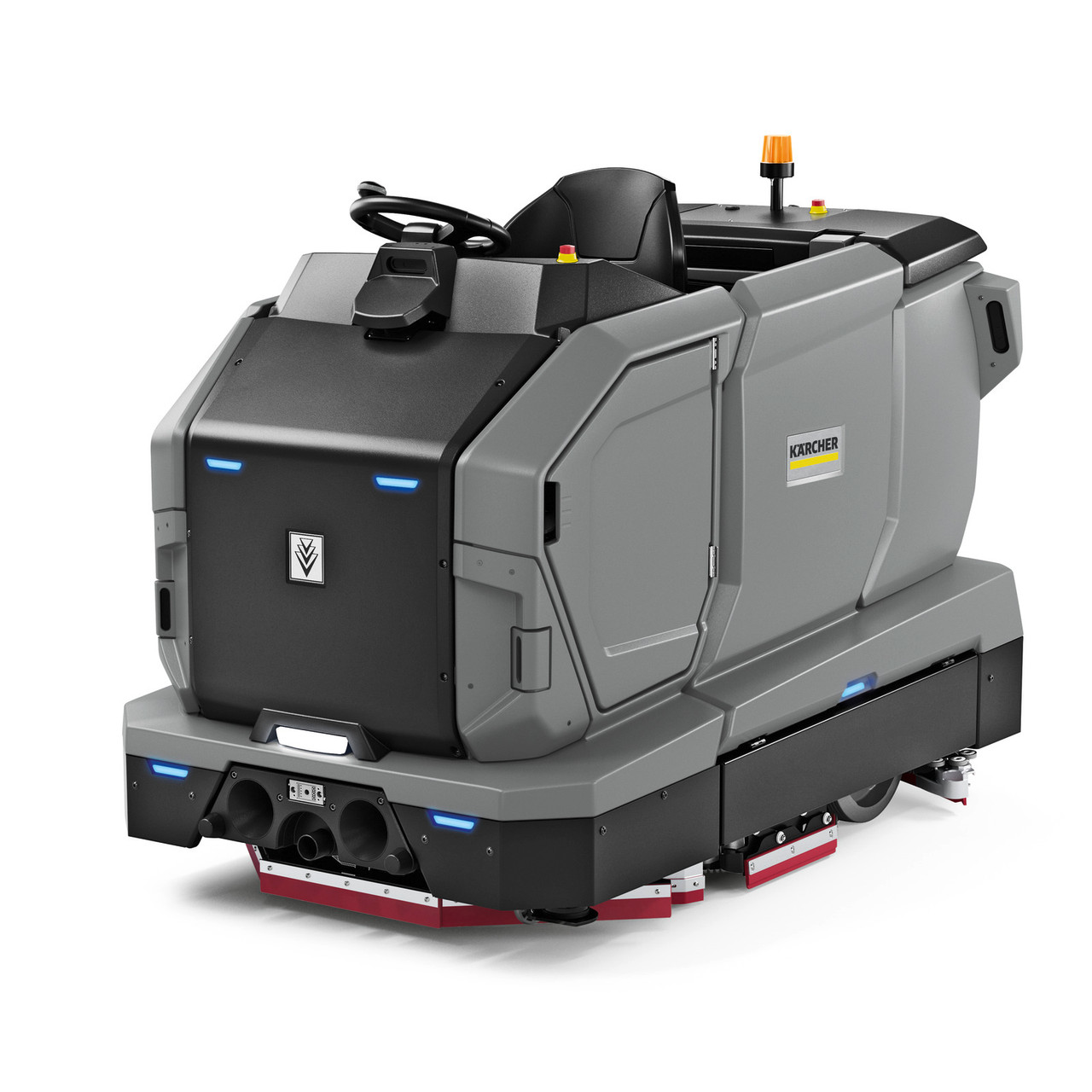
Karcher KIRA BD 200
Best for: Large enterprise facilities
33.5" autonomous floor scrubber with docking station options.
View Karcher KIRA BD 200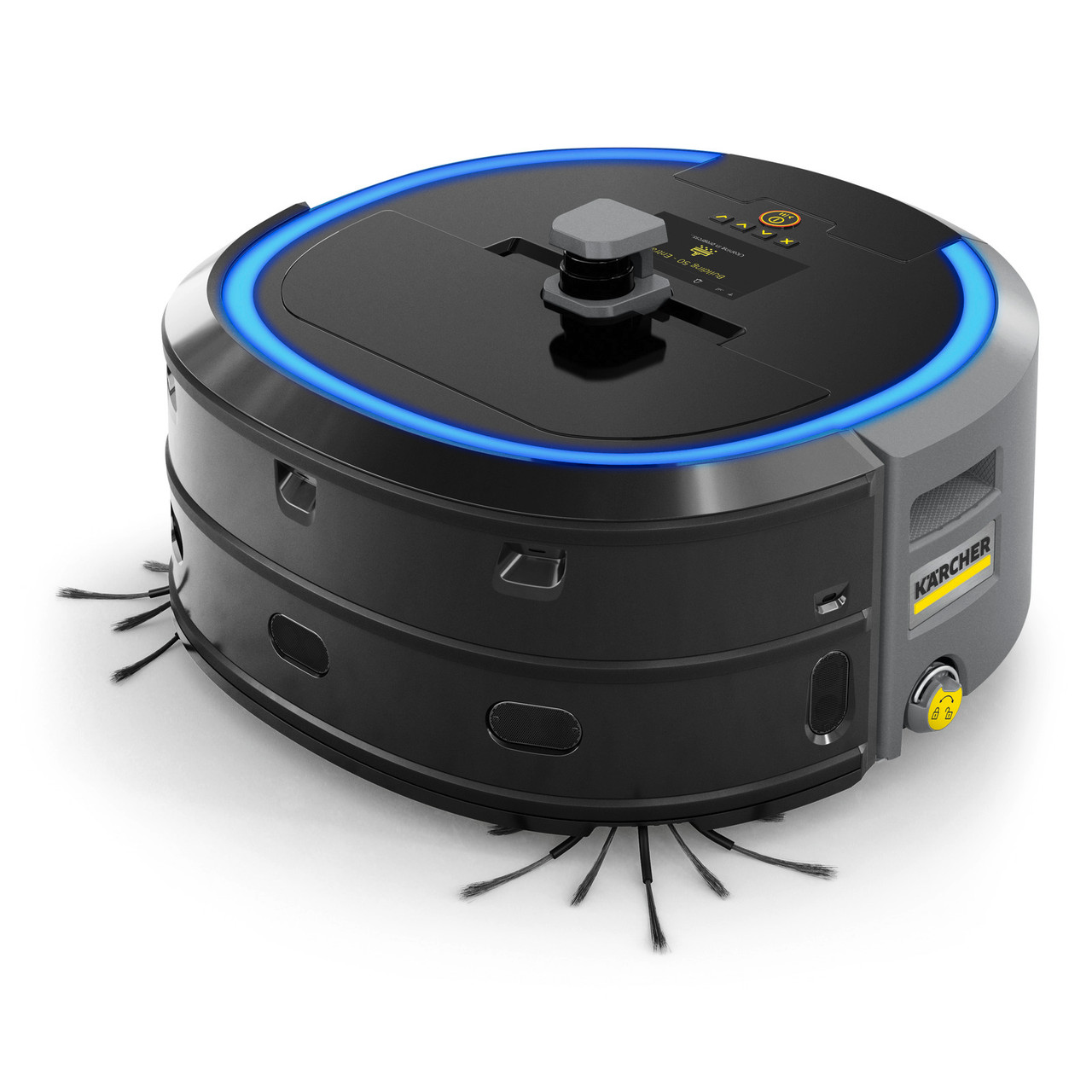
Karcher KIRA CV Vacuums
Best for: Autonomous vacuuming
Commercial robotic vacuum systems for carpet and hard floor vacuuming.
View Karcher KIRA CV 50Need Help Comparing Robotic Cleaning Equipment?
Monster Janitorial can help compare autonomous scrubbers, robotic vacuums, docking stations, navigation systems, brushes, pads, batteries, and facility deployment needs.
Email sales@monsterjanitorial.com or call 956-772-4842.
Final Thoughts
Commercial robotics fleet management software is rapidly becoming one of the most important parts of autonomous cleaning technology.
As robotics deployments grow larger and more advanced, facilities need centralized systems that provide operational visibility, analytics, remote monitoring, and intelligent automation management.
The future of commercial cleaning robotics is not just about smarter machines.
It is about smarter connected robotics ecosystems.